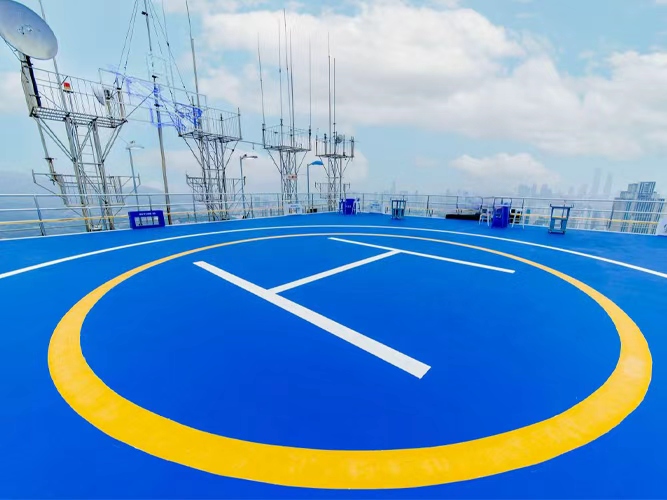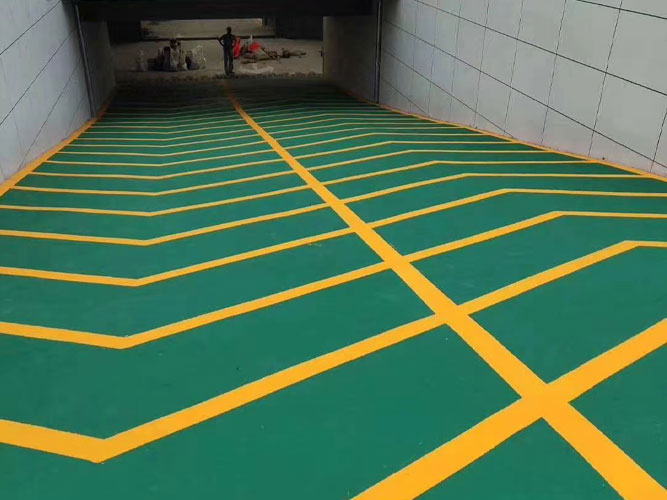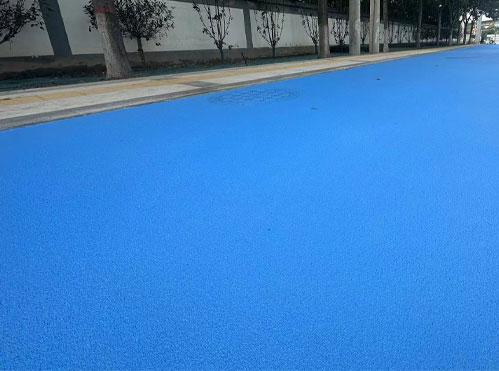
Eco-Friendly Color Emulsified Micro-Surfacing is an advanced pavement preservation technology designed to improve road durability, enhance safety, and reduce environmental impact. It is widely used in modern transportation systems as cities shift toward sustainable infrastructure solutions that balance performance, cost efficiency, and ecological responsibility.
This technology uses a carefully engineered mixture of polymer-modified emulsified asphalt, high-quality aggregates, color pigments, water, and eco-friendly additives. The material is applied as a thin protective layer over existing asphalt or concrete surfaces, forming a durable, skid-resistant, and visually distinctive pavement system.
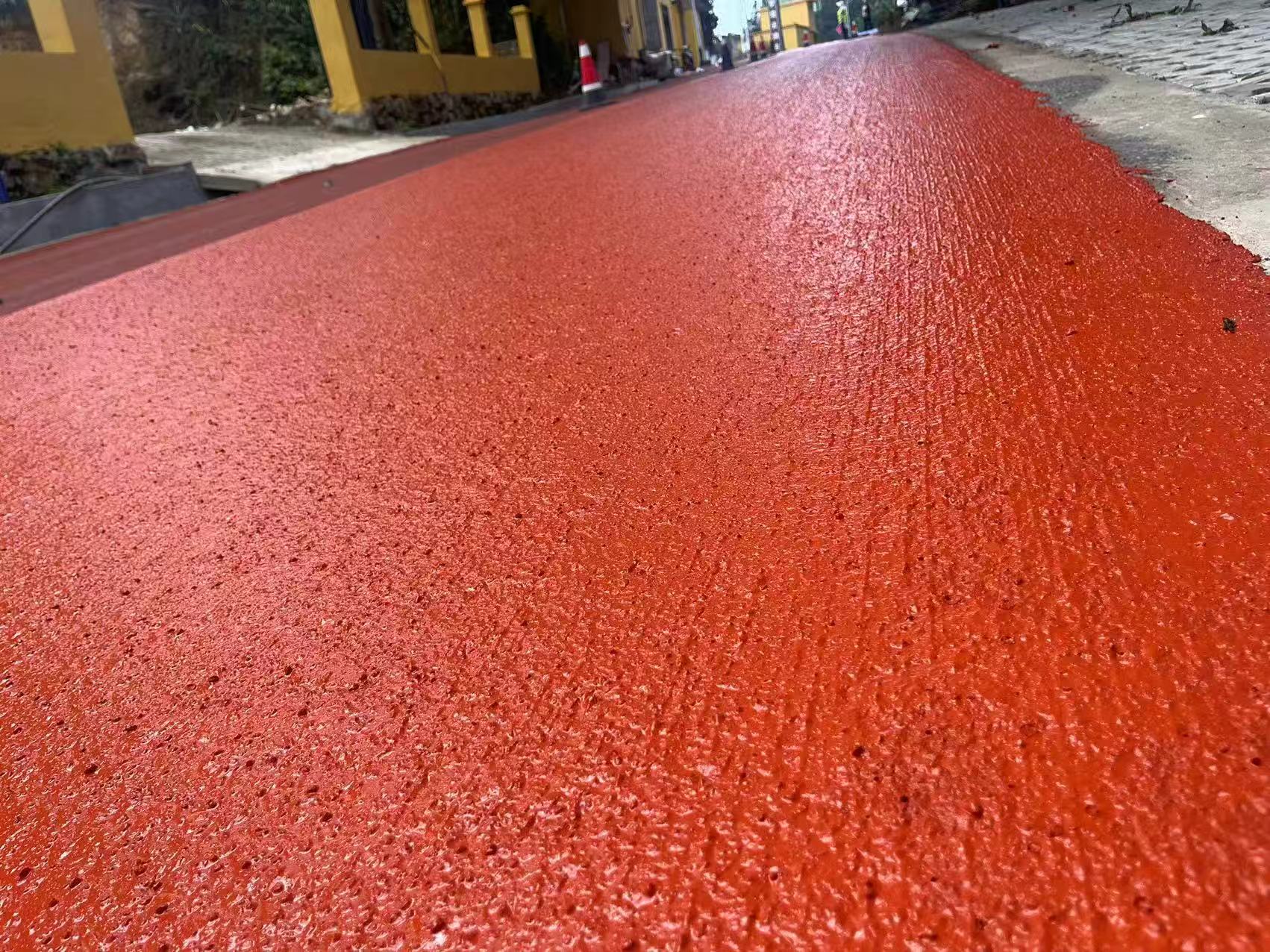
One of the key advantages of eco-friendly color emulsified micro-surfacing is its cold application process. Unlike traditional hot-mix asphalt methods, it does not require high-temperature heating, which significantly reduces energy consumption and greenhouse gas emissions during construction.
The use of water-based emulsions further enhances its environmental performance by lowering volatile organic compound (VOC) emissions. This makes it a safer choice for both construction workers and surrounding communities, especially in urban environments.
In addition, the technology helps reduce material waste by extending the service life of existing pavements. Instead of full road reconstruction, only a thin surface layer is applied, conserving natural resources such as aggregates and bitumen.
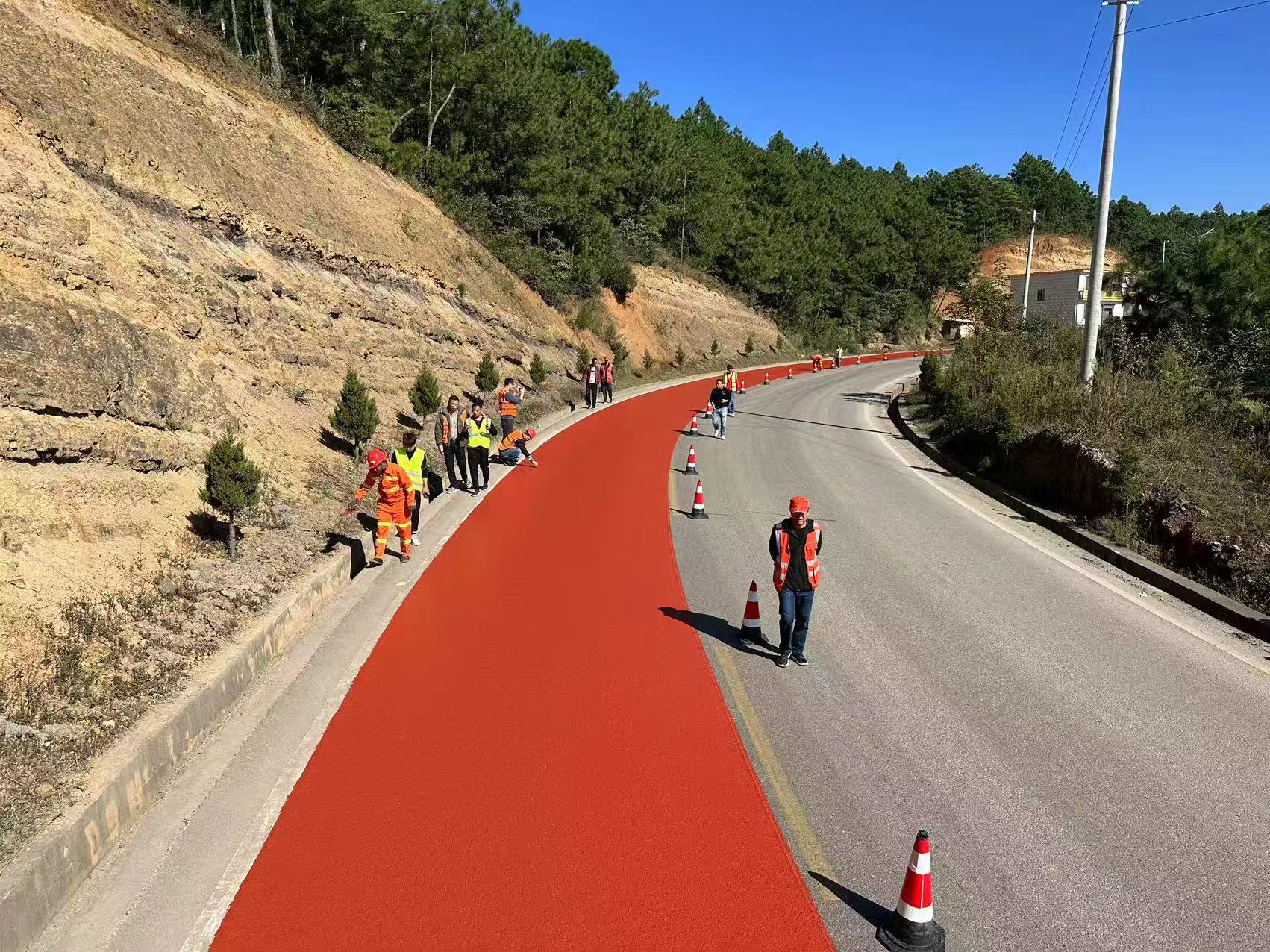
Eco-friendly color emulsified micro-surfacing plays a critical role in pavement preservation. It seals minor surface cracks and prevents water from penetrating the underlying structure, which is one of the main causes of road deterioration.
The polymer-modified binder improves adhesion and flexibility, allowing the surface to withstand traffic loads, temperature changes, and environmental stress. This helps reduce common pavement issues such as cracking, raveling, and oxidation, significantly extending road service life and delaying expensive reconstruction projects.
Safety is another major benefit of this technology. The use of high-quality aggregates creates a textured surface that improves skid resistance, enhancing tire grip for vehicles, bicycles, and pedestrians.
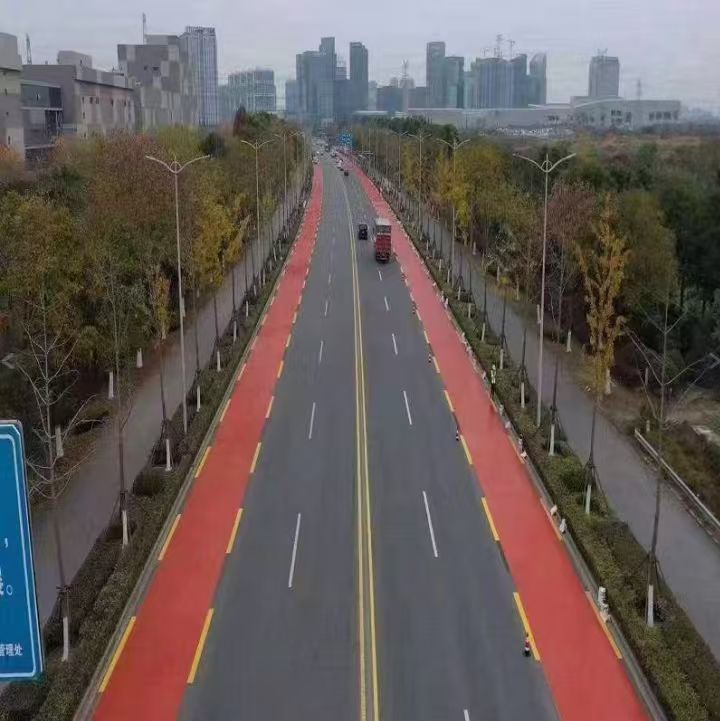
The addition of color pigments improves road visibility and helps clearly define traffic zones such as bike lanes, bus lanes, pedestrian crossings, school areas, and intersection warning zones. This visual guidance improves driver awareness and reduces the risk of accidents, particularly in complex or high-traffic environments.
Eco-friendly colored micro-surfacing is widely used in modern urban planning to organize traffic flow and support sustainable transportation systems. Clearly marked colored surfaces help separate different road functions, making streets easier to navigate and safer for all users.
It is especially effective in bicycle lanes and pedestrian zones, where visibility and surface friction are essential for safety. It is also commonly applied in parking areas, residential roads, and public spaces to improve order and functionality.
Compared to full pavement reconstruction, eco-friendly color emulsified micro-surfacing offers a significantly more cost-effective solution. It requires fewer raw materials, shorter construction time, and less labor, making it highly efficient for large-scale road maintenance programs.
The fast application process also reduces traffic disruption, allowing roads to reopen quickly after construction. This minimizes inconvenience for commuters and improves overall transportation efficiency in urban areas.
As cities move toward smart and sustainable infrastructure, eco-friendly pavement technologies are becoming increasingly important. Color emulsified micro-surfacing supports these goals by combining environmental protection, safety improvement, and long-term cost savings.
Its ability to enhance road performance while reducing environmental impact makes it a key component in modern urban development strategies.
Eco-Friendly Color Emulsified Micro-Surfacing represents a modern solution for sustainable road maintenance. By combining energy-efficient construction, reduced emissions, extended pavement life, and improved road safety, it provides a balanced approach to infrastructure development. As global demand for green and smart transportation systems continues to grow, this technology is becoming an essential tool for building safer, more durable, and more environmentally responsible road networks.