Road safety remains one of the most important priorities in modern transportation infrastructure. As traffic volumes continue to increase and cities invest heavily in road modernization, the demand for advanced road anti-skid materials is growing rapidly. These innovative materials not only improve vehicle traction and reduce accident risks but also contribute to more sustainable, durable, and intelligent road networks. The future of road anti-skid materials is set to transform the road construction industry through technological advancements, environmental improvements, and enhanced performance.
Road authorities and transportation agencies worldwide are placing greater emphasis on reducing traffic accidents caused by slippery pavement surfaces. Wet weather, heavy traffic, and pavement aging can significantly reduce road friction, increasing the risk of skidding and loss of vehicle control.
Modern anti-skid materials provide high-friction surfaces that improve braking performance and vehicle stability. As governments continue to implement stricter road safety standards, the use of high-performance anti-skid systems is expected to become a standard requirement in many road construction projects.
Future anti-skid materials will offer even greater friction performance and durability. Manufacturers are developing advanced polymer binders and high-strength aggregates that can withstand heavy traffic loads while maintaining long-term skid resistance.
These next-generation systems are designed to:
Provide superior grip in wet and dry conditions
Maintain performance under extreme temperatures
Resist wear from heavy traffic
Reduce maintenance requirements
Extend pavement service life
The combination of durable binders and premium aggregates will continue to improve road safety while lowering lifecycle costs.
Sustainability is becoming a key focus in road construction. Future anti-skid materials are expected to incorporate more environmentally friendly technologies, including:
Water-based pavement systems
Recycled ceramic aggregates
Low-VOC binders
Energy-efficient manufacturing processes
Recyclable pavement materials
These innovations help reduce environmental impact while supporting green infrastructure development and sustainable urban planning.
The future of road construction is closely linked to smart city development. Anti-skid materials will increasingly be integrated into intelligent transportation systems.
Potential innovations include:
Reflective and high-visibility colored surfaces
Road markings designed for autonomous vehicle recognition
Temperature-sensitive pavement coatings
Sensors embedded within road surfaces
Data-driven pavement monitoring systems
Such technologies can improve traffic management, enhance driver awareness, and support the growing adoption of connected and autonomous vehicles.
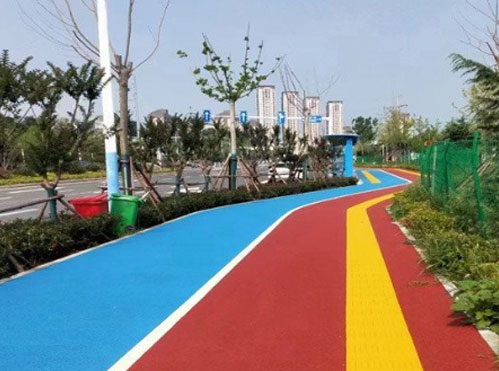
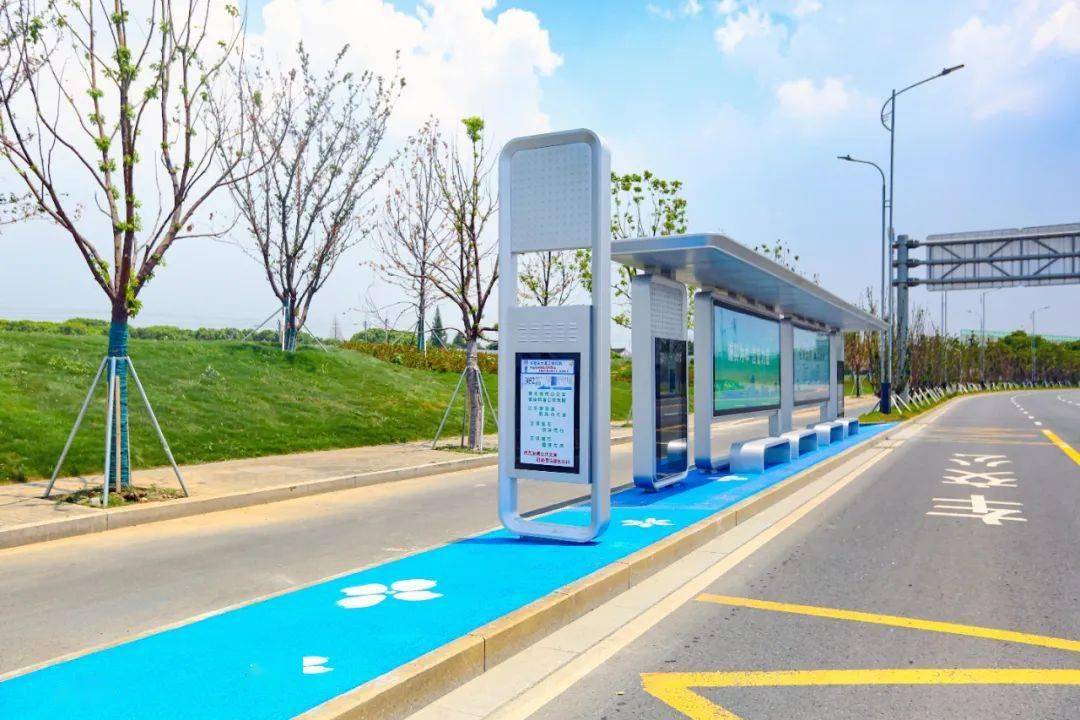
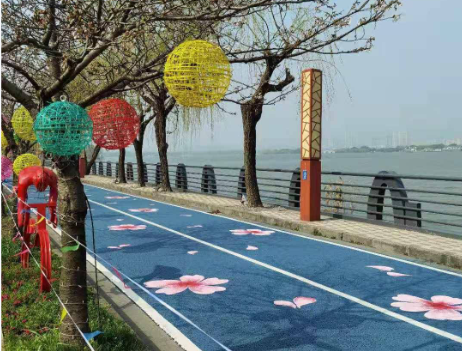
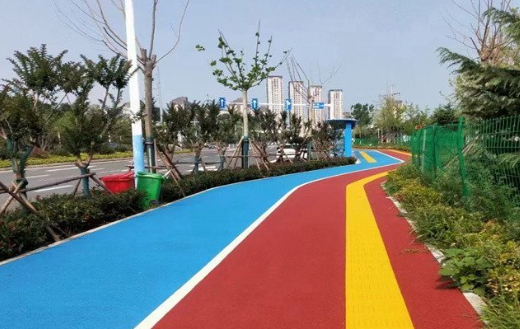
Colored anti-skid surfacing is becoming more popular in urban infrastructure projects due to its safety and aesthetic benefits. Future applications are expected to expand across:
Bicycle lanes
Bus lanes
Pedestrian crossings
School safety zones
Smart mobility corridors
Urban renewal projects
Airport service roads
Logistics and industrial facilities
By combining functionality with visual guidance, colored pavement systems help improve traffic organization and create safer transportation environments.
One of the most significant trends in anti-skid material development is the pursuit of longer service life. Advanced formulations are being engineered to resist UV exposure, heavy traffic abrasion, water damage, and chemical attack.
As durability improves, road owners and contractors benefit from:
Reduced maintenance frequency
Lower repair costs
Less traffic disruption
Better long-term investment returns
These advantages make anti-skid materials an increasingly attractive solution for both new road construction and pavement rehabilitation projects.
As transportation infrastructure evolves, anti-skid materials will play a vital role in delivering safer and more resilient road networks. Their ability to enhance friction, improve visibility, support sustainability goals, and integrate with smart technologies makes them a critical component of future road design.
Road construction projects will increasingly rely on advanced anti-skid surfacing systems to meet the growing demands of safety, durability, and environmental responsibility.
The future of road anti-skid materials is driven by innovation, sustainability, and the need for safer transportation infrastructure. With advancements in high-friction technology, eco-friendly materials, smart road integration, and durable colored surfacing systems, anti-skid materials will continue to shape the next generation of road construction projects. As cities and transportation agencies seek long-lasting and cost-effective solutions, these materials will remain at the forefront of modern infrastructure development.