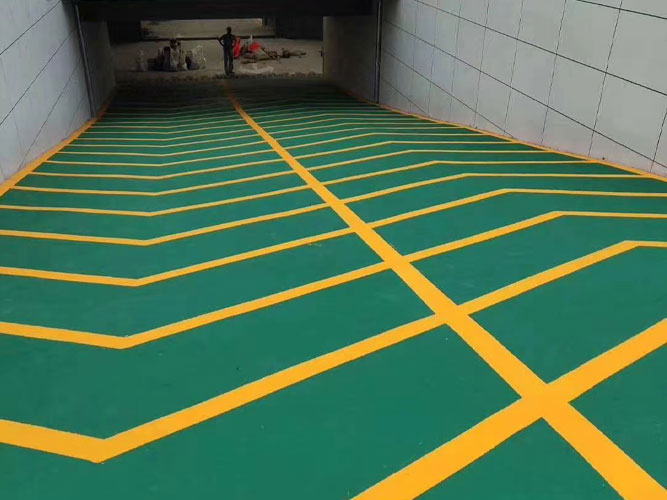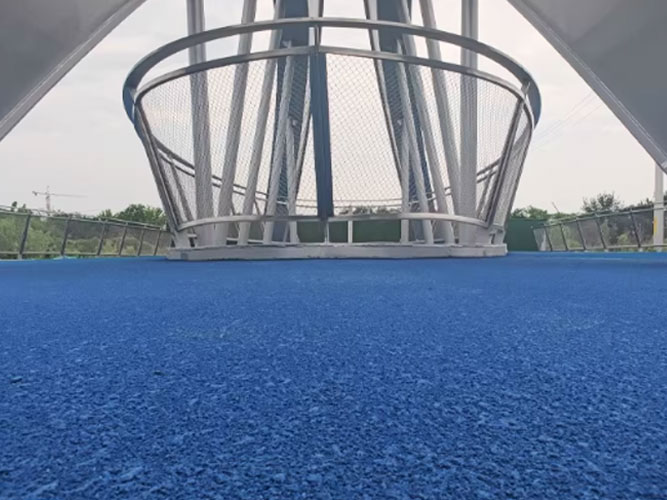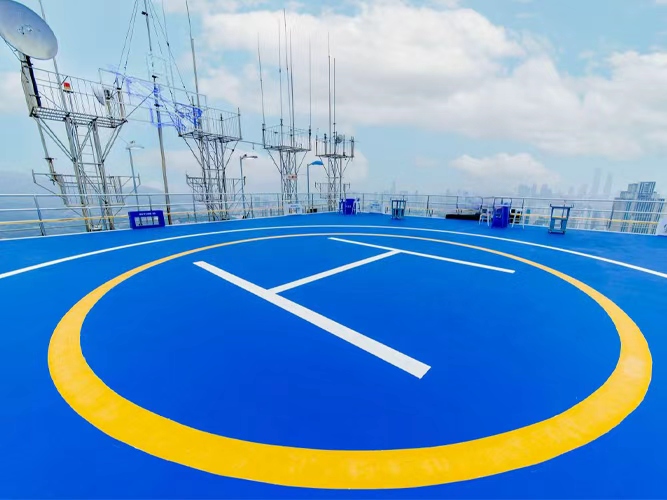
Colored anti-slip pavement has become an important part of modern road safety systems because it improves visibility, increases skid resistance, and enhances traffic organization. As cities continue to face growing traffic volumes and more complex transportation networks, traditional road surfaces are often no longer sufficient to meet modern safety requirements. Colored anti-slip pavement provides an effective solution for reducing accidents and creating safer roads for drivers, cyclists, and pedestrians.
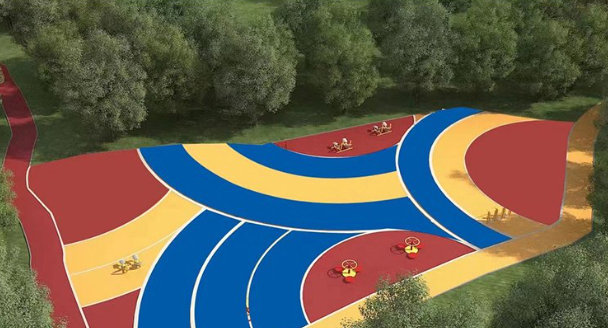
One of the primary benefits of colored anti-slip pavement is its superior skid resistance. The surface is typically constructed using high-performance resin binders combined with anti-skid aggregates such as ceramic particles or calcined bauxite. These materials create a textured surface that improves tire grip and reduces braking distance, especially during rainy or slippery conditions. In hazardous areas such as sharp curves, intersections, tunnels, bridges, and steep slopes, enhanced friction can significantly reduce the risk of vehicle skidding and collisions.
Another important advantage is increased visibility. Bright pavement colors such as red, green, blue, and yellow help clearly define traffic zones and alert drivers to potential hazards. Colored surfaces are commonly used for bicycle lanes, bus lanes, pedestrian crossings, school zones, and deceleration areas. The strong visual contrast helps drivers recognize traffic guidance more quickly, improving reaction time and reducing confusion on busy roads.
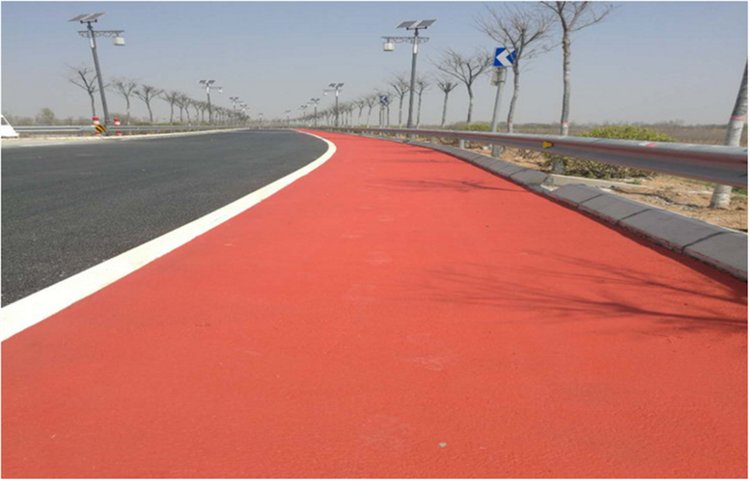
Colored anti-slip pavement also improves pedestrian and cyclist safety. In crowded urban environments, separating pedestrian walkways and bicycle lanes from vehicle traffic helps create a safer transportation system. Anti-slip surfaces reduce the risk of slips and falls, particularly in wet weather or high-traffic public areas.
In addition to safety benefits, these pavement systems are highly durable and weather-resistant. They are designed to withstand heavy traffic loads, UV exposure, water penetration, and temperature changes while maintaining long-lasting color stability and friction performance. Fast-curing technologies also allow quick installation and reduced traffic disruption during construction.
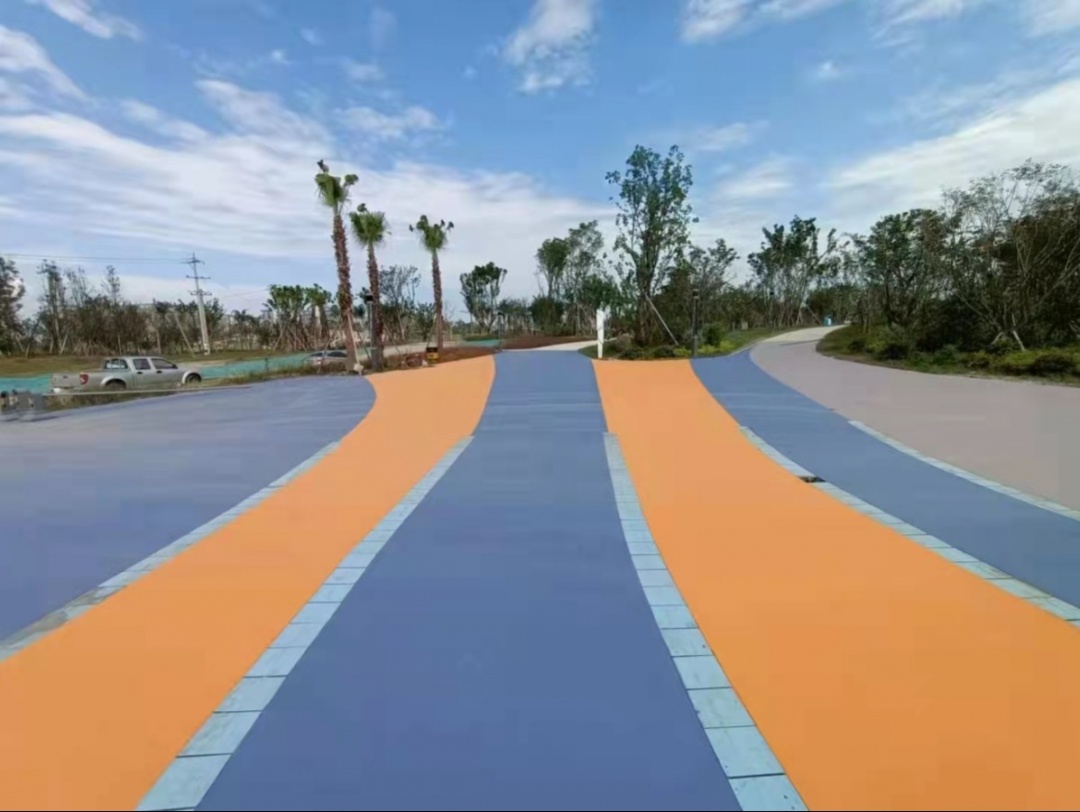
Modern colored anti-slip pavement systems can also support sustainable infrastructure development. Many products use water-based or low-VOC materials that reduce environmental impact while improving urban road quality.
As transportation safety standards continue to evolve, colored anti-slip pavement is becoming essential for modern road engineering. By combining high friction, strong visibility, durability, and aesthetic value, these systems help reduce accidents and create safer, more efficient road environments for all users.