Long-lasting colored slurry road materials are thin-layer pavement systems designed to improve road safety, surface durability, and visual traffic guidance. They are widely used in urban roads, bicycle lanes, pedestrian crossings, parking areas, and light-to-medium traffic zones.
These materials combine polymer-modified binders, mineral aggregates, and pigments to form a continuous colored wearing layer that bonds tightly to existing asphalt or concrete surfaces.
Colored slurry systems are typically composed of:
Polymer-modified emulsions (water-based or resin-enhanced binders)
Fine mineral aggregates (sand, stone powder, or ceramic fillers)
Durable pigments for color stability
Additives for curing, adhesion, and wear resistance
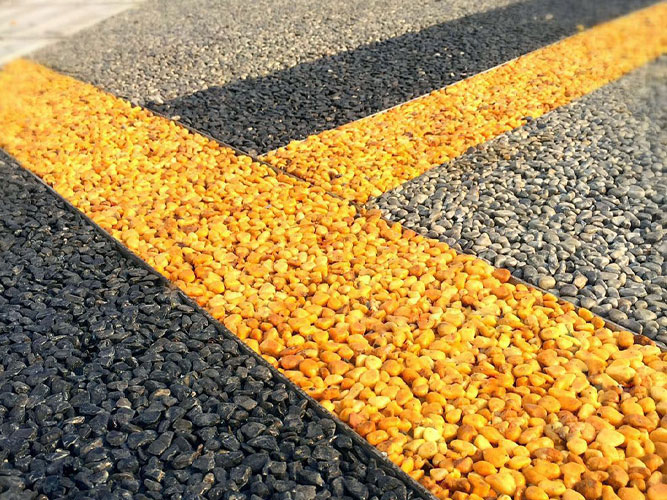
After application, the mixture spreads as a thin slurry layer and cures into a textured, colored surface with improved friction and durability.
One of the main advantages is their ability to extend pavement service life while improving surface quality. The slurry layer strengthens the top surface and reduces minor pavement defects.
It helps:
Seal micro-cracks
Protect underlying asphalt
Reduce surface aging
Improve overall pavement integrity
Colored slurry materials are designed with fine aggregates that improve surface texture and friction. This increases tire grip and reduces slipping risks, especially in wet conditions.
They are effective for:
Bicycle lanes
Pedestrian crossings
Urban intersections
School zones
Parking areas
Improved friction enhances safety for both vehicles and pedestrians.
High-quality pigments ensure long-term color performance and resistance to fading. This helps maintain clear visual traffic guidance over time.
Common color applications include:
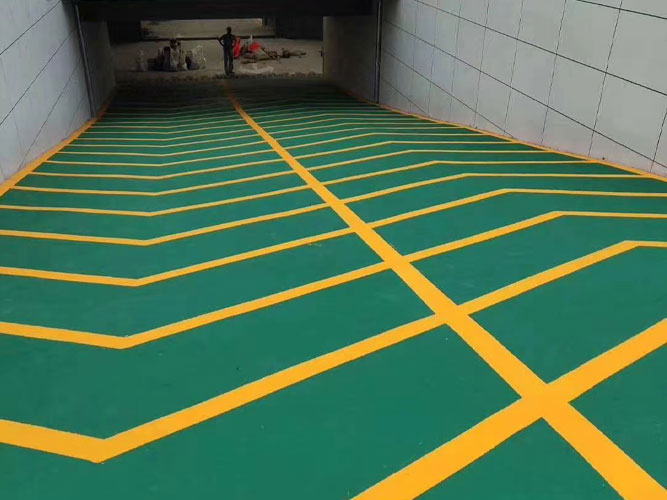
Green bicycle lanes
Red bus lanes
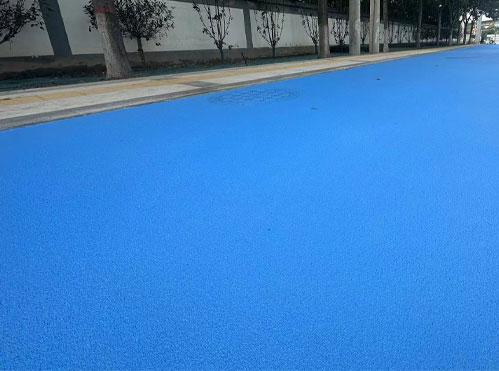
Blue pedestrian or special zones
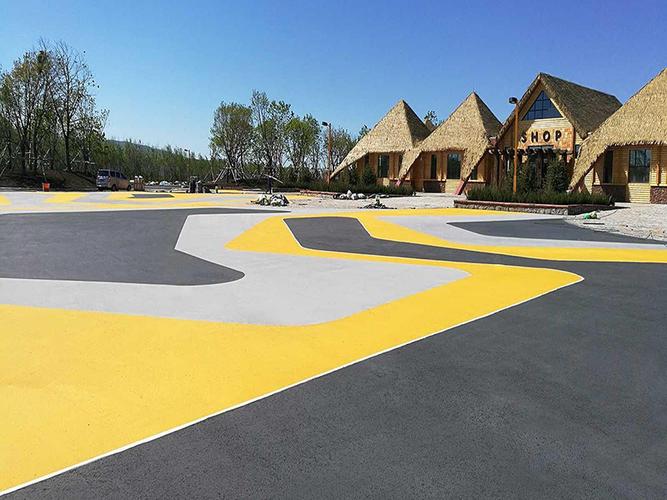
Yellow warning areas
Clear color contrast improves road organization and user awareness.
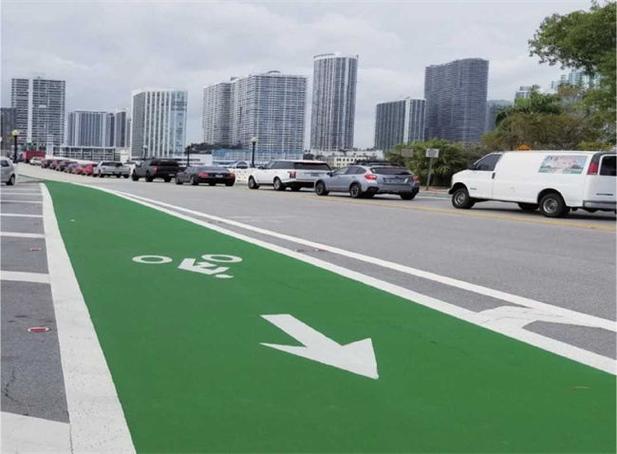
Colored slurry surfacing is more economical than full pavement reconstruction. It provides functional improvement at a lower cost.
Economic advantages:
Low material consumption
Fast application process
Reduced labor costs
Minimal traffic disruption
It is widely used for preventive maintenance and surface renewal projects.
Slurry systems can be quickly applied using specialized spreading equipment. After curing, roads can reopen relatively quickly depending on weather conditions and formulation.
This makes them suitable for:
Urban road upgrades
Nighttime construction
Busy traffic corridors
Municipal maintenance programs
Colored slurry materials bond well with existing asphalt or concrete surfaces, creating a stable and uniform layer.
They offer resistance to:
Peeling and delamination
Water penetration
Surface loosening
Moderate traffic wear
This ensures consistent performance in urban environments.
Modern slurry systems are designed to withstand various environmental conditions, including:
Rain and moisture exposure
UV radiation
Temperature fluctuations
Seasonal freeze-thaw cycles
This helps maintain long-term performance and appearance.
Long-lasting colored slurry road materials are widely used in:
Urban bicycle lanes
Crosswalks and pedestrian zones
Residential roads
Parking lots
Campus roads
Parks and recreational paths
Light traffic streets
They are especially suitable for large-area surface treatments.
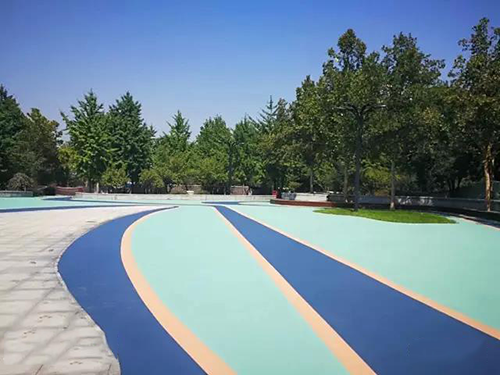
Colored slurry systems support modern urban planning by:
Improving traffic organization
Enhancing non-motorized transport safety
Increasing road visibility
Upgrading existing pavement cost-effectively
They are an important part of sustainable city maintenance strategies.
Long-lasting colored slurry road materials offer a practical, durable, and cost-effective solution for improving road safety and surface performance. With strong anti-skid properties, good color stability, and fast construction advantages, they are widely used in modern urban infrastructure projects.
As cities continue to focus on efficient maintenance and safer transportation systems, colored slurry technology will remain an important option for sustainable pavement upgrading.