Cost-effective colored ramp surfacing solutions are widely used in modern infrastructure projects to improve safety, visibility, and durability on ramps, slopes, and inclined road sections. These systems are designed to deliver strong skid resistance and clear visual guidance while keeping construction and maintenance costs under control.
They are commonly applied in parking ramps, pedestrian ramps, bridge approaches, underground garages, logistics facilities, and urban access roads where both performance and affordability are important.
Colored ramp surfacing systems are protective and decorative coatings applied to sloped concrete or asphalt surfaces. They are typically made using:
Polymer-modified binders
Colored anti-slip aggregates (quartz, ceramic, or bauxite)
UV-stable pigments
Wear-resistant fillers
After application, the surface forms a textured, high-friction layer that improves grip and enhances visibility.
Ramps and inclined surfaces are more prone to slipping, especially in wet or oily conditions. Colored ramp surfacing significantly improves traction and reduces accident risks.
Key safety benefits include:
Higher skid resistance for vehicles and pedestrians
Reduced slipping during rain or snow
Better control when braking or accelerating on slopes
Increased safety in high-traffic ramps
This makes them essential in parking structures and urban transport systems.
One of the main advantages of these systems is their cost-effectiveness. Instead of rebuilding or resurfacing entire ramp structures, a thin coating layer can significantly improve performance.
Cost-saving factors:
Minimal material usage compared to full resurfacing
Reduced labor and equipment requirements
Faster installation and reopening time
Lower long-term maintenance costs
This makes them attractive for both public and private infrastructure projects.
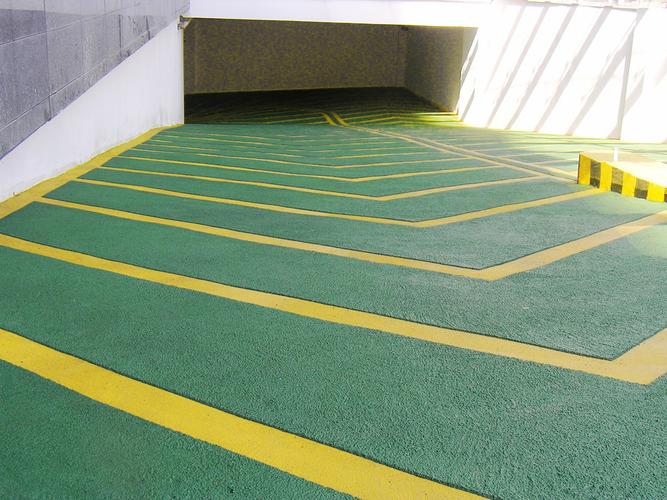
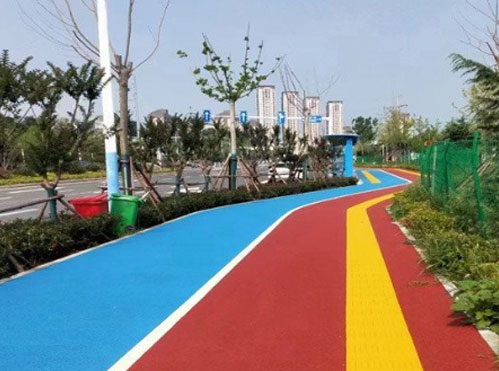
Color plays an important role in guiding drivers and pedestrians safely through ramps and sloped areas. Colored surfacing improves spatial awareness and reduces confusion.
Common color applications include:
Red for high-risk or braking zones
Green for pedestrian or bicycle access ramps
Yellow for warning or caution areas
Gray or textured finishes for general vehicle ramps
This visual differentiation improves traffic flow and reduces collision risks.
Despite being cost-effective, modern ramp surfacing systems are designed for long-term durability under continuous traffic loads.
They resist:
Tire wear and abrasion
UV exposure and color fading
Water penetration and freeze-thaw damage
Oil and chemical contamination in parking areas
This ensures consistent performance over time with minimal maintenance.
Many colored ramp surfacing systems use fast-curing resin technologies that allow rapid application and reopening.
Benefits include:
Short curing time (especially MMA-based systems)
Reduced downtime for parking facilities or roads
Nighttime or off-peak installation options
Quick repair of damaged ramp sections
Cost-effective colored ramp surfacing solutions are commonly used in:
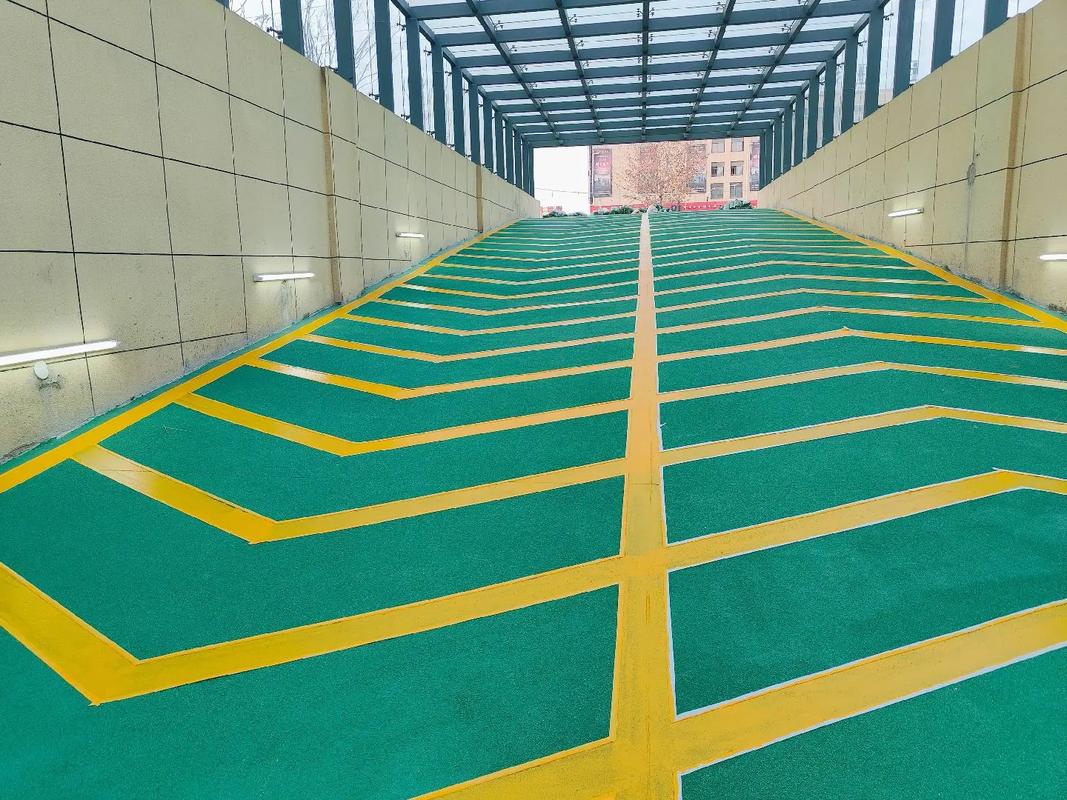
Parking garage ramps and entrances
Pedestrian accessibility ramps
Airport and logistics facility ramps
Bridge approach slopes
Commercial building access roads
Underground vehicle ramps
These environments benefit from improved traction and clear visual guidance.
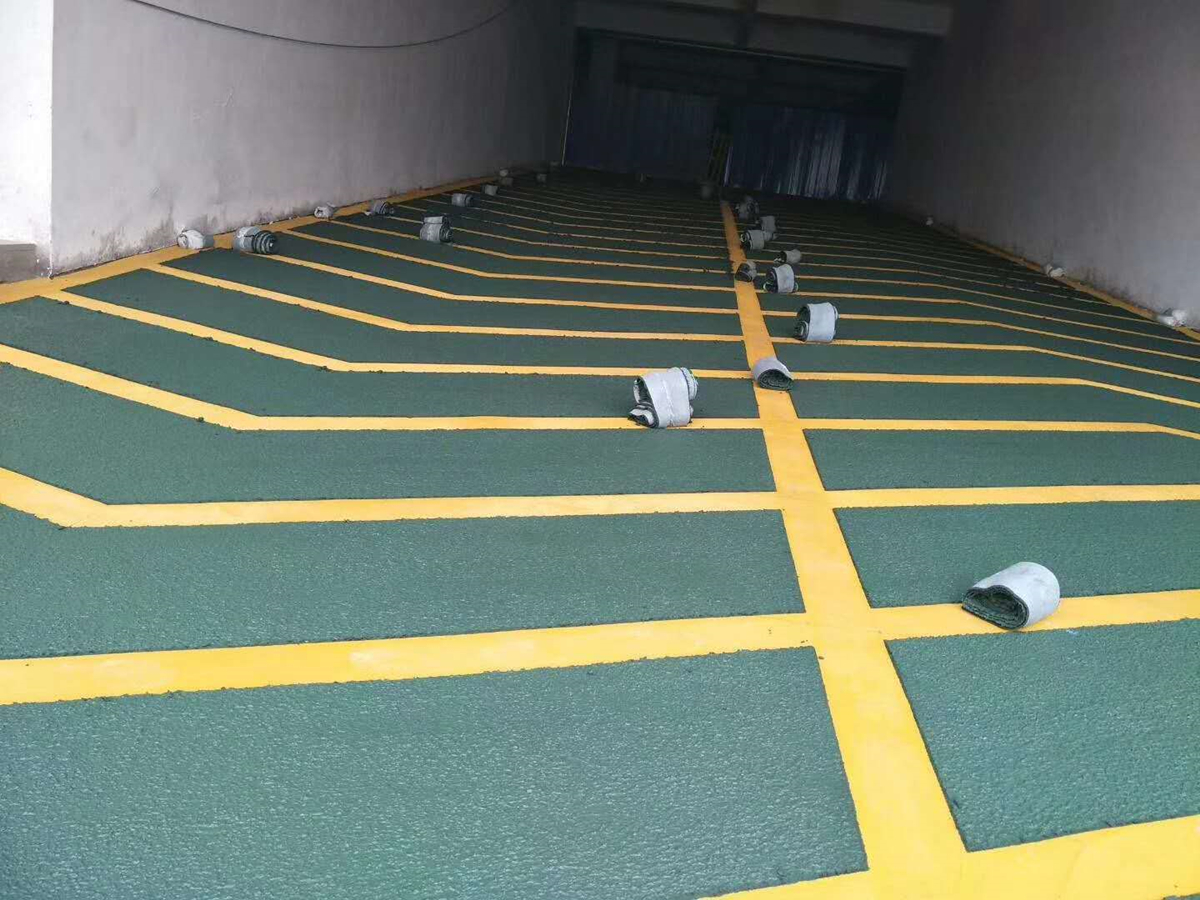
Beyond functionality, colored ramp surfacing contributes to cleaner and more organized urban environments. It helps define movement paths and improves the visual structure of transportation spaces.
In smart city planning, these systems support:
Safer mobility networks
Better traffic zoning
Improved pedestrian accessibility
Enhanced visual consistency across infrastructure
Cost-effective colored ramp surfacing solutions provide a practical balance between safety, durability, and affordability. By improving skid resistance and visibility while minimizing construction costs, they are an ideal choice for ramps and sloped infrastructure in modern cities.
As urban development continues to emphasize efficiency and safety, these surfacing systems will remain an important part of sustainable infrastructure design.