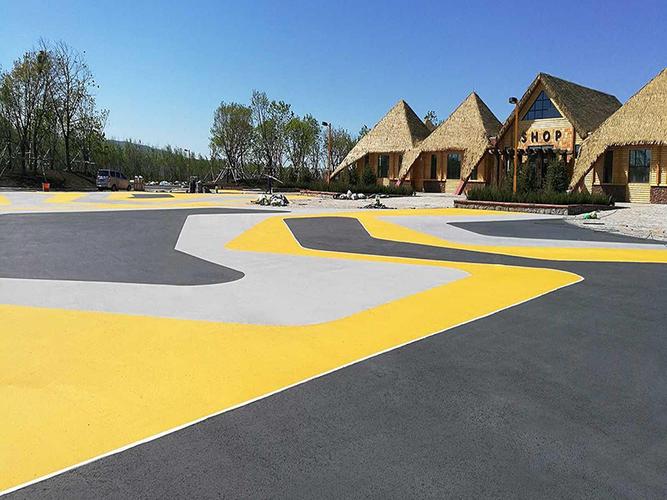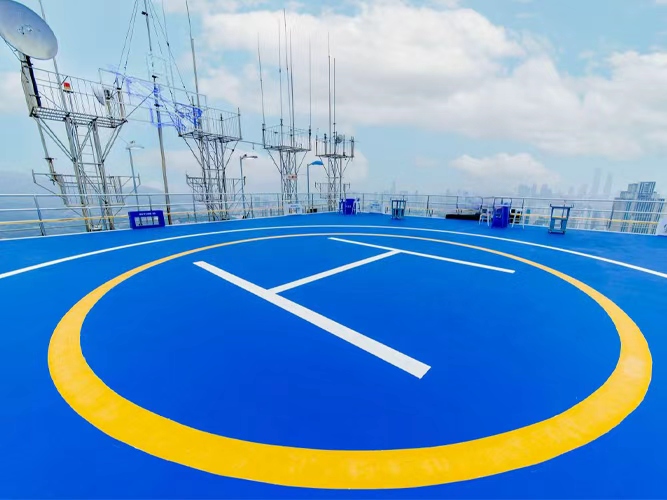
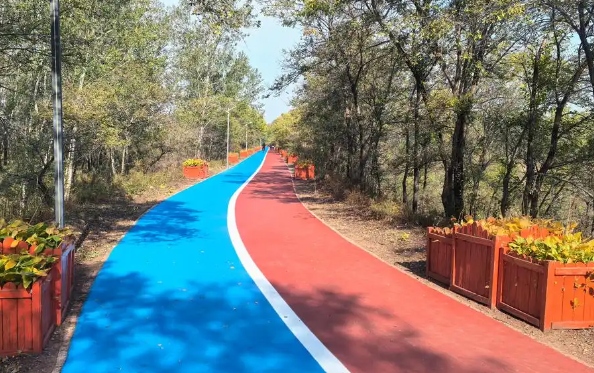
As cities continue to promote sustainable mobility, bicycle lanes and pedestrian areas are becoming essential components of modern urban infrastructure. Colored pavement systems provide an effective solution to improve safety, visibility, and traffic organization in these non-motorized zones.
Colored pavement systems are specialized surface treatments applied to roads, walkways, and cycle paths. They combine durable binders with anti-slip aggregates and color pigments to create a high-visibility, skid-resistant surface.
Unlike traditional asphalt or concrete, these systems are designed to:
Clearly define different traffic zones
Improve surface grip for safety
Enhance visual recognition for users
Increase durability under frequent use
Bicycle lanes are often shared or located close to motor vehicle traffic. Colored pavement helps address key safety challenges by:
Making bike lanes more visible to drivers
Reducing accidental lane intrusion by vehicles
Improving cyclist confidence and route clarity
Enhancing safety at intersections and crossings
Bright colors such as green or red are commonly used to distinguish cycling areas from general traffic lanes.
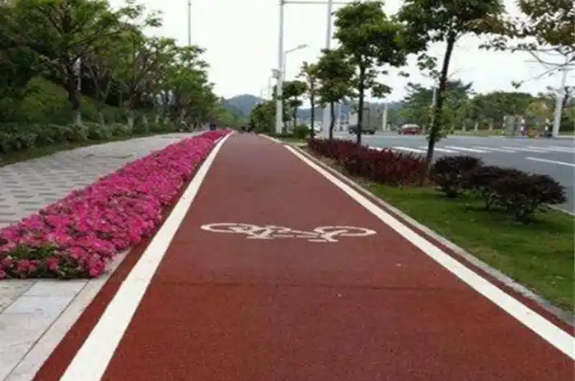
Pedestrian zones benefit significantly from colored pavement systems, especially in high-traffic urban environments. Key advantages include:
Clear separation between walking areas and vehicle zones
Increased driver awareness near crosswalks
Better guidance in parks, plazas, and school zones
Reduced risk of pedestrian-vehicle conflicts
These visual cues help create safer and more organized public spaces.
Beyond color, these systems are engineered for high friction performance. The textured surface improves grip and reduces slipping risks, especially in:
Rainy or wet weather conditions
Sloped walkways or ramps
High-footfall pedestrian areas
Shared cycling-pedestrian corridors
This makes them especially suitable for all-weather urban use.
Colored pavement systems are widely used in:
Urban bicycle lanes
Pedestrian crossings
Shared mobility paths
School zones and residential streets
Parks and recreational walkways
These applications support safer and more inclusive transportation networks.
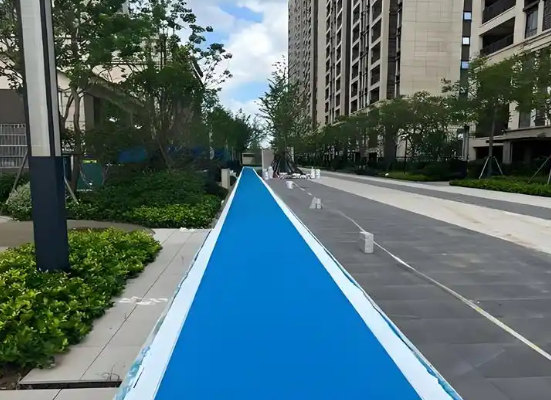
Modern colored pavement materials offer long-term performance advantages, including:
Strong resistance to wear from bicycles and foot traffic
UV stability to prevent fading
Fast installation with minimal traffic disruption
Low maintenance requirements over time
This makes them a cost-effective solution for city planners and infrastructure developers.
Colored pavement systems play an important role in promoting eco-friendly transportation. By improving the safety and usability of bicycle and pedestrian infrastructure, they encourage:
Increased cycling adoption
More walking-friendly environments
Reduced dependence on motor vehicles
Lower urban traffic congestion
Colored pavement systems for bicycle lanes and pedestrian areas are more than visual enhancements—they are functional safety solutions. By combining high visibility, anti-slip performance, and durable construction, they help cities create safer, more efficient, and more sustainable mobility networks.