
Anti-slip ramp technology plays a crucial role in improving safety in areas where vehicles frequently accelerate, decelerate, or navigate steep gradients. Parking lot ramps and bridge ramps are especially high-risk zones due to their slope, exposure to weather conditions, and continuous traffic flow. Advanced anti-slip surfacing systems provide enhanced traction and visibility, helping reduce accidents and improve driving stability.
Anti-slip ramp technology refers to specialized pavement systems designed to increase surface friction and improve vehicle control on inclined surfaces. These systems typically combine:
High-friction aggregates (ceramic, basalt, or calcined materials)
Durable resin or polymer binders
Textured surface structures for enhanced grip
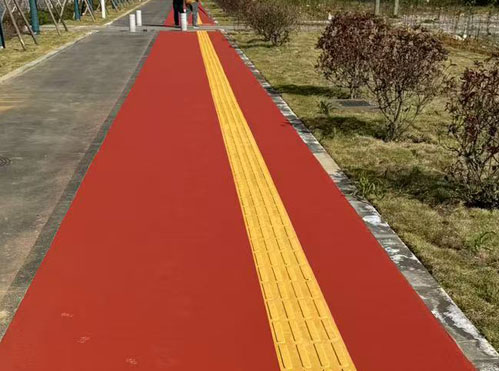
Optional colored pigments for visual guidance
The result is a high-performance ramp surface that improves both safety and usability.
Ramps in parking lots and bridges face unique challenges:
Increased risk of wheel slippage due to slope
Frequent braking and acceleration
Exposure to rain, oil, and debris
High traffic concentration in limited space
Without proper surfacing, these conditions can significantly increase accident risk.
Enhanced Traction for Vehicle Stability
One of the most important benefits of anti-slip ramp technology is improved friction performance.
High-friction aggregates increase tire contact with the surface, helping vehicles maintain stability on inclines.
The textured surface reduces the likelihood of slipping during braking, turning, or sudden stops.
Even in rainy conditions, the surface maintains high friction, reducing hydroplaning risks.
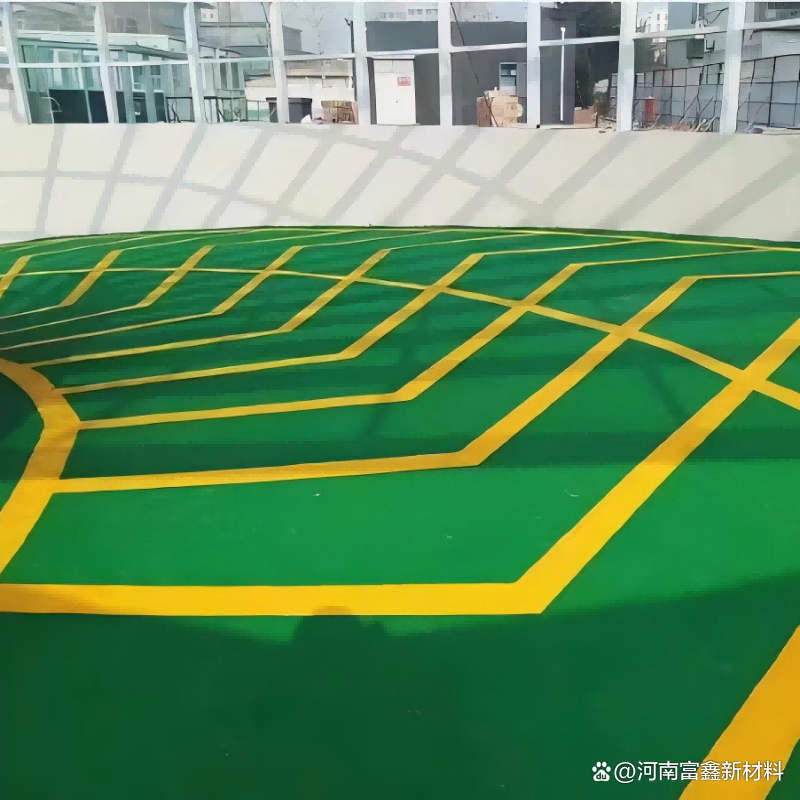
Parking structures often include tight turns, ramps, and limited visibility areas.
Anti-slip ramp systems help by:
Improving control in multi-level parking ramps
Reducing slip accidents in entrance and exit zones
Enhancing safety in pedestrian-vehicle shared areas
Providing better traction in basement or covered garages
Bridge ramps and approaches are exposed to environmental stress and high-speed traffic transitions.
Key benefits include:
Improved vehicle stability on elevated slopes
Better performance in rain, wind, and temperature changes
Reduced accident risk at bridge entry and exit points
Enhanced visibility through optional colored surfacing
Many modern ramp systems integrate color technology to improve visibility.
Color differentiation helps define ramp areas and guide drivers more effectively.
Bright or contrasting colors can signal caution zones and encourage speed reduction.
Colored surfaces improve contrast under artificial lighting and headlights.
Anti-slip ramp systems are engineered for long-term use under heavy stress conditions.
They offer:
High resistance to wear from repeated vehicle loads
Strong adhesion to concrete and asphalt surfaces
UV and weather resistance
Reduced maintenance frequency and cost
These advantages make them ideal for commercial and public infrastructure.
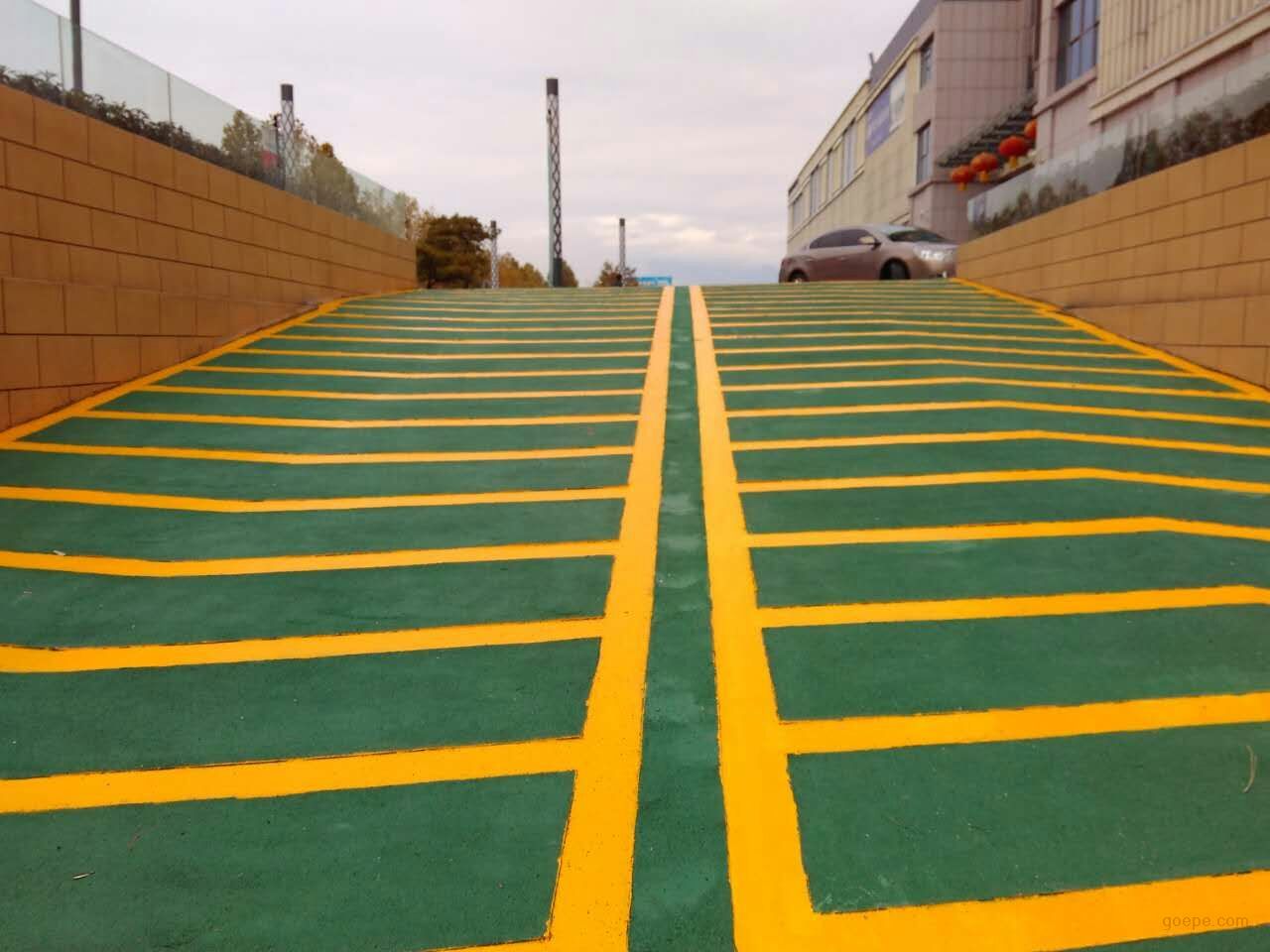
Anti-slip ramp technology is widely used in:
Multi-story parking garages
Shopping mall parking facilities
Highway overpasses and bridges
Industrial access ramps
Underground parking systems
Anti-slip ramp technology for parking lots and bridges provides a critical safety improvement for high-risk inclined surfaces. By combining high friction performance with durable construction and optional visual guidance, it helps ensure safer vehicle movement, reduced accident risk, and more reliable infrastructure performance.