Waterborne SP anti-skid surfacing is widely used in modern road engineering as a durable and environmentally friendly pavement solution. It combines water-based polymer binders with high-friction aggregates to create a textured surface that improves safety and driving performance across different traffic conditions.
It is commonly applied in urban roads, intersections, bicycle lanes, pedestrian crossings, ramps, bridges, and other public infrastructure where skid resistance and sustainability are important.
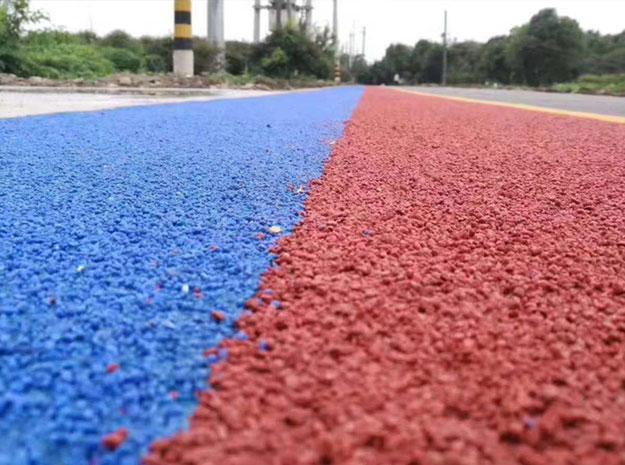
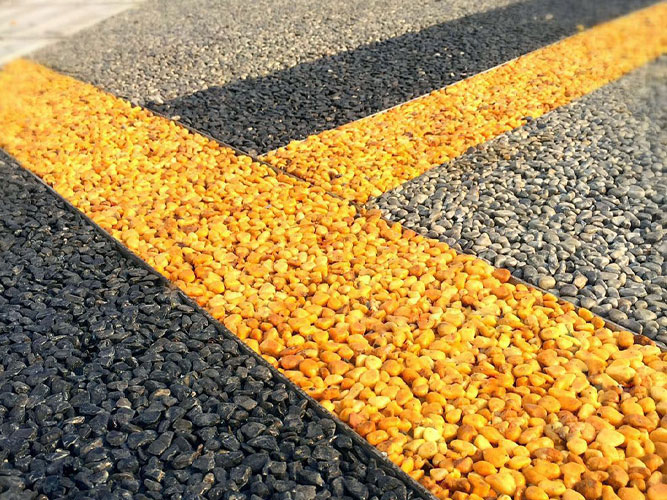
Waterborne SP anti-skid surfacing is a surface treatment system based on waterborne resin technology mixed with mineral or ceramic aggregates. After application, it forms a rough, high-friction layer that enhances tire grip and pedestrian safety.
Compared with solvent-based materials, it uses water as the dispersion medium, which significantly reduces environmental emissions during construction.
Waterborne SP systems are designed with low environmental impact in mind. They help reduce VOC emissions during construction and support greener infrastructure development. This makes them suitable for sustainable road projects and eco-friendly urban planning.
The system uses high-quality aggregates to increase surface friction. This improves safety by reducing skidding risks, especially in wet or high-risk conditions. It is particularly effective in intersections, curves, slopes, and pedestrian areas.
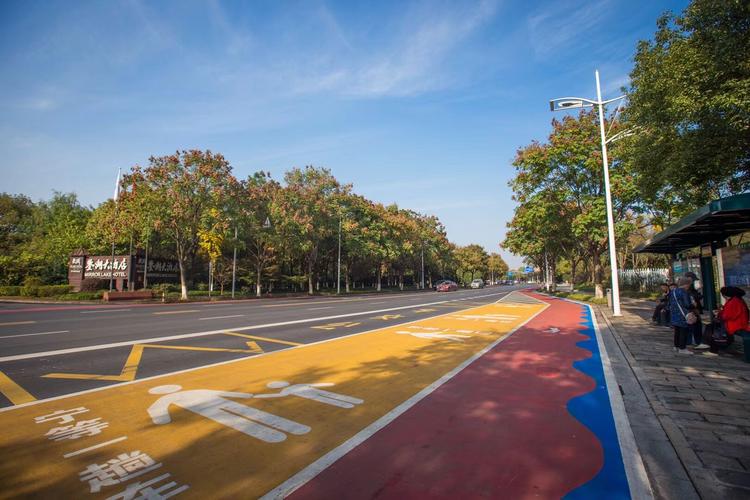
Waterborne SP surfacing is relatively easy to apply and allows quick installation. It helps reduce road closure time and minimizes disruption to traffic, making it suitable for busy urban environments.
Once cured, the surface performs well under different environmental conditions. It resists UV exposure, rain, temperature changes, and general wear, ensuring stable long-term performance.
This system is often used as a preventive maintenance solution. It improves surface texture without requiring full pavement reconstruction, helping extend road life and reduce long-term maintenance costs.
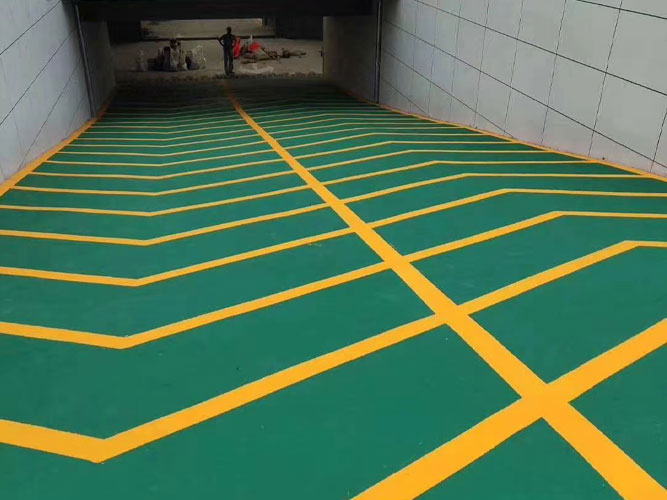
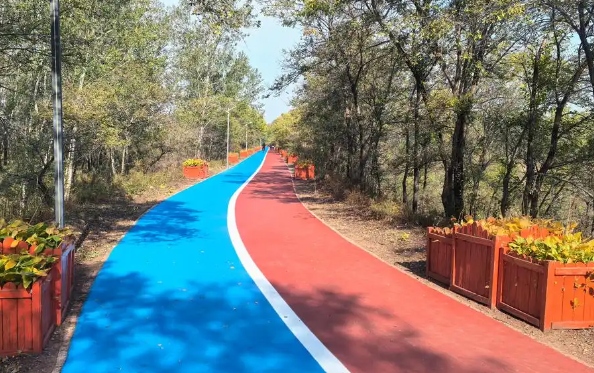
Waterborne SP anti-skid surfacing is widely used in urban intersections, bicycle lanes, pedestrian crossings, bus lanes, bridge decks, ramps, school zones, hospital areas, and parking facilities. Its versatility makes it suitable for many types of public infrastructure.
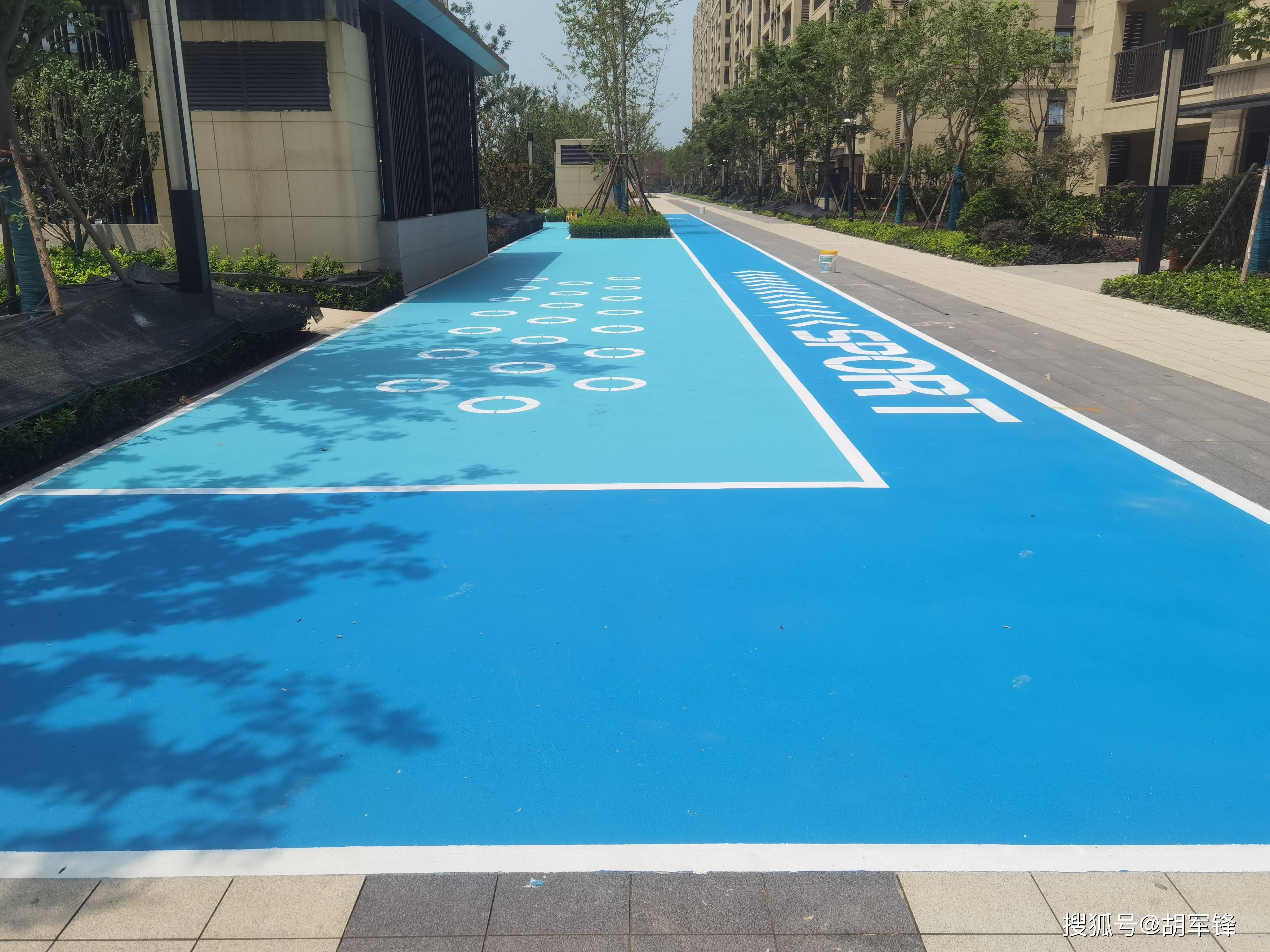
This surfacing system enhances safety in two key ways. First, it increases surface friction to improve tire grip. Second, it provides better visual contrast to help drivers and pedestrians identify traffic zones more clearly. Together, these functions help reduce accidents and improve overall traffic flow.
As cities continue to focus on sustainability and smart infrastructure, waterborne SP anti-skid surfacing is expected to evolve further. Future improvements will likely include enhanced durability, faster curing performance, better color stability, and improved adaptability to extreme weather conditions.
Waterborne SP anti-skid surfacing is an effective solution for modern road safety needs. It combines environmental benefits, strong skid resistance, fast installation, and cost efficiency, making it a practical choice for sustainable urban infrastructure and long-term pavement performance.