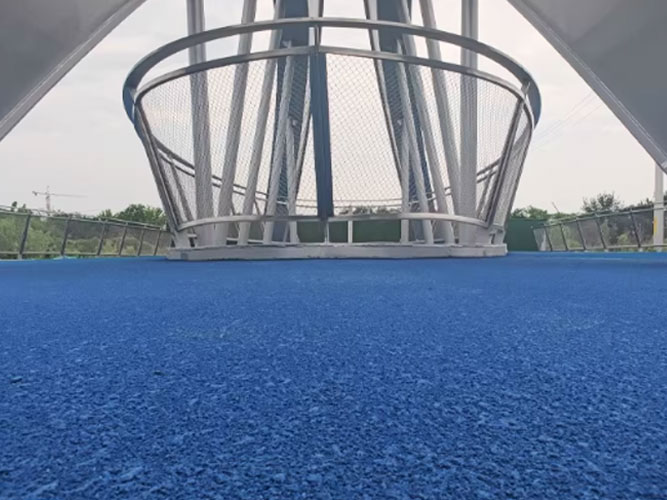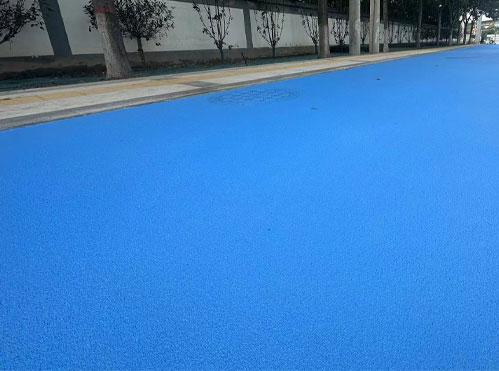
Colored pavement is an effective urban infrastructure solution designed to improve safety, traffic organization, and visual clarity in streets and intersections. B
y using durable pigments combined with high-friction surface systems, colored pavements help define road functions more clearly while enhancing overall driving and walking safety in complex urban environments.
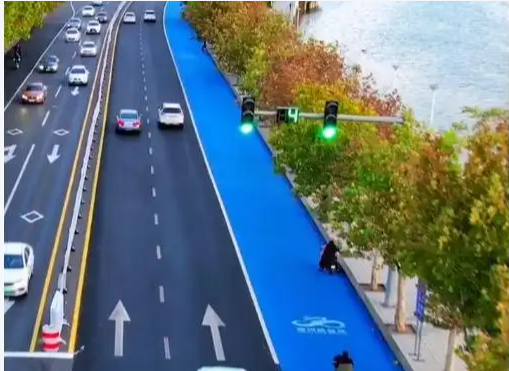
Intersections are high-risk zones where vehicles, cyclists, and pedestrians frequently interact. Colored pavement increases visibility and awareness, helping drivers recognize crosswalks, stop areas, turning zones, and conflict points earlier. When combined with anti-slip textures, it significantly reduces the risk of accidents caused by sudden braking, wet surfaces, or confusion in traffic flow.
Colored surfaces are widely used to separate and identify different functional zones such as bike lanes, bus lanes, pedestrian crossings, and safety buffers. This visual separation improves road discipline and reduces improper lane usage, making intersections more organized and predictable for all road users.
Modern colored pavement systems are often integrated with anti-slip aggregates or high-friction coatings. These materials provide strong traction for vehicles and pedestrians, especially in rainy or high-traffic conditions. This added grip improves braking performance and reduces slipping risks at critical junctions.
High-quality colored pavement systems use materials such as MMA resin, epoxy, polyurethane, or water-based binders. These systems offer excellent resistance to UV exposure, abrasion, and weathering, ensuring long-lasting color stability and structural integrity even under heavy traffic conditions.
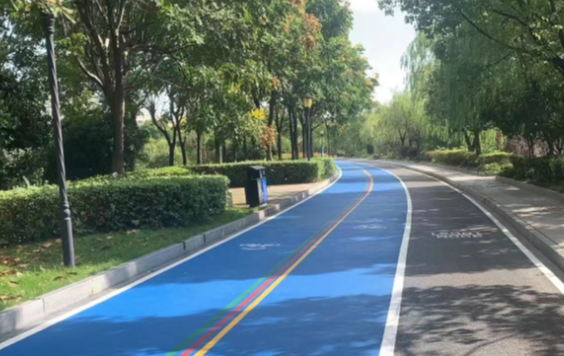
Many modern colored pavement solutions are designed with sustainability in mind, using low-VOC or water-based formulations. This supports greener construction practices while maintaining high performance and durability.
Colored pavement plays a key role in creating safer and more efficient urban streets and intersections. By improving visibility, enhancing traction, and clearly organizing traffic zones, it helps reduce accidents and supports the development of smarter, more sustainable cities.