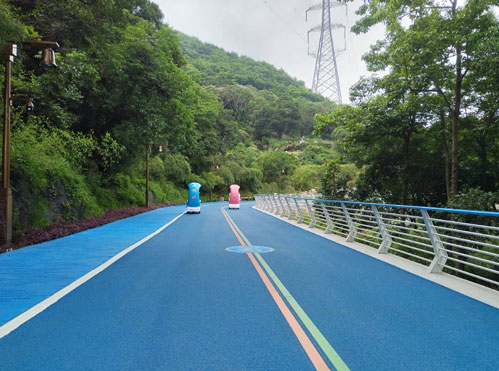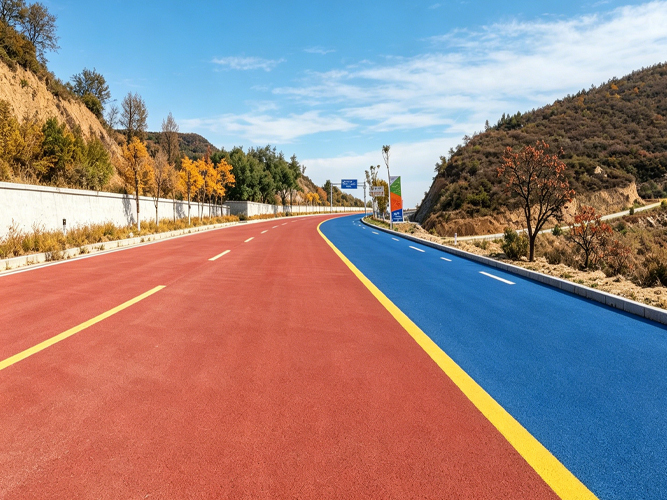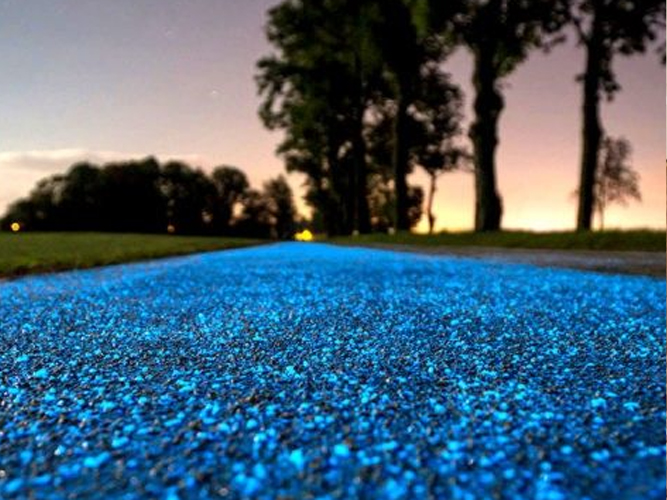
Colored ceramic anti-skid surfacing is a high-performance pavement system designed specifically to improve the safety, visibility, and durability of bike lanes. It combines durable ceramic aggregates with resin-based binders and color pigments to create a textured, high-friction surface that performs reliably under continuous cycling traffic and changing weather conditions.
This type of surfacing is widely used in urban cycling networks, shared pathways, and smart city infrastructure where both skid resistance and clear visual separation are essential.
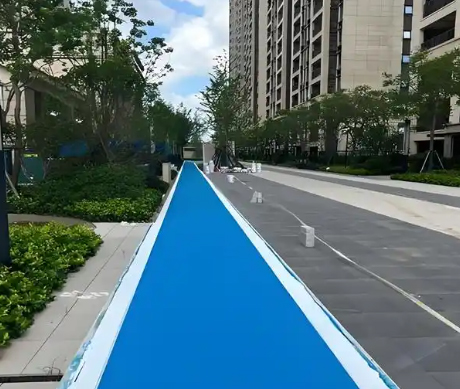
The most important feature of ceramic anti-skid surfacing is its exceptional friction performance. Ceramic particles are engineered to maintain sharp, durable surface texture even under long-term wear.
This helps:
Improve tire grip on wet or slippery surfaces
Reduce the risk of bicycle skidding during braking
Increase stability on turns, slopes, and intersections
Enhance safety in rainy or low-visibility conditions
Because bike lanes are more vulnerable to weather-related hazards than vehicle lanes, this high-friction surface is especially valuable.
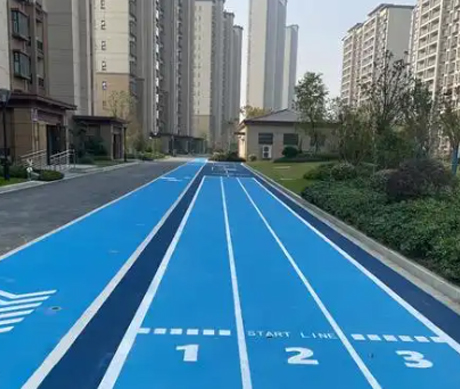
Ceramic aggregates are manufactured at high temperatures, giving them superior hardness and wear resistance compared to traditional materials like natural sand.
Key advantages include:
High resistance to abrasion from continuous bicycle use
Long-lasting surface texture that does not easily polish smooth
Strong bonding with resin binders
Stable performance under UV exposure and weather changes
This ensures long-term functionality with minimal maintenance.
Colored ceramic surfacing enhances visual communication in urban environments. Common colors such as green, red, or blue are used to clearly mark bicycle routes.
Benefits include:
Easy recognition of bike lanes by drivers and cyclists
Clear separation from vehicle traffic and pedestrian zones
Improved urban navigation and traffic organization
Enhanced safety awareness at intersections and crossings
This visual clarity is a key component of modern cycling infrastructure design.
Colored ceramic anti-skid surfacing is typically applied using high-performance resins such as:
MMA (Methyl Methacrylate)
Epoxy
Polyurethane
These binders ensure strong adhesion to asphalt or concrete surfaces and allow the ceramic aggregates to remain firmly locked in place even under repeated traffic stress.
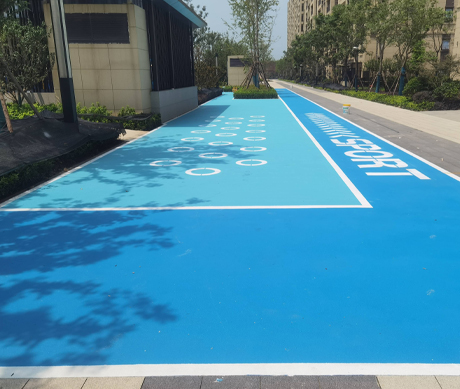
Bike lanes often face challenges such as rain, dust, oil contamination, and frequent turning movements. Ceramic anti-skid systems are designed to maintain performance under these conditions.
They provide:
Consistent friction in wet weather
Resistance to surface contamination effects
Reliable grip in high-traffic urban corridors
Improved drainage through textured surface structure
When combined with fast-curing resins like MMA, ceramic anti-skid surfacing can be installed quickly and reopened within a short time.
Advantages include:
Minimal disruption to city traffic
Rapid installation for maintenance or upgrades
Suitable for night-time or phased construction
Efficient deployment in large cycling networks
Colored ceramic anti-skid surfacing is widely used in:
Urban bicycle lanes
Shared pedestrian-cycling paths
Bridge bike tracks
Park cycling routes
School and campus cycling areas
Smart city green mobility corridors
Colored ceramic anti-skid surfacing is a highly effective solution for modern bike lane infrastructure. By combining high-friction ceramic aggregates, durable resin systems, and vivid color design, it significantly improves cyclist safety and urban traffic organization. Its long service life, excellent skid resistance, and strong visual performance make it a preferred choice for cities aiming to build safer and more sustainable cycling environments.