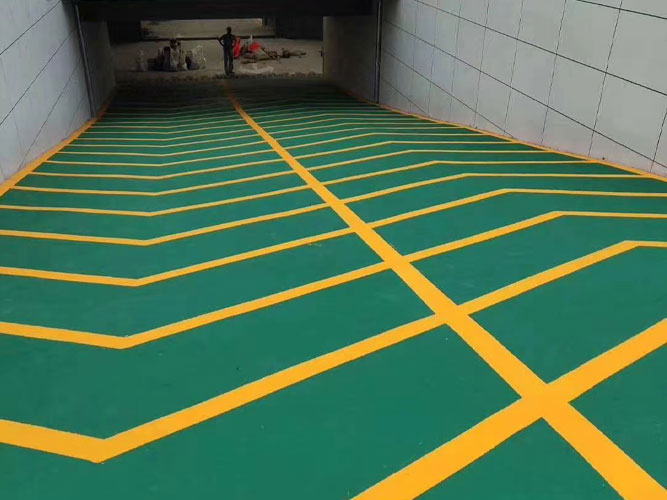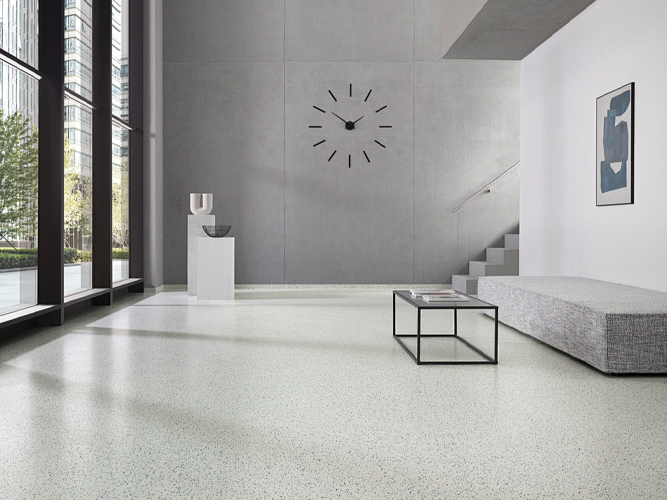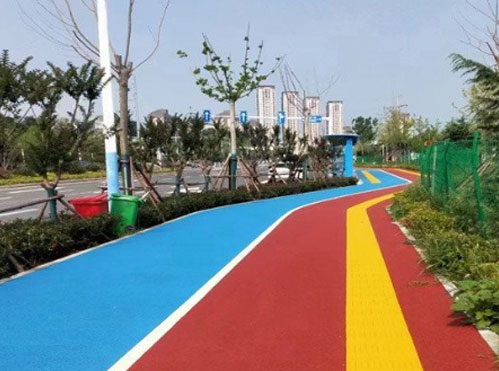
Colored road surfaces are becoming increasingly popular in modern transportation infrastructure. From bicycle lanes and pedestrian crossings to bus lanes and urban streets, colored pavement provides more than just visual appeal. It improves safety, enhances traffic management, and contributes to more attractive and sustainable cities. As governments and contractors seek smarter road solutions, colored road surfaces are proving to be a valuable investment.
One of the biggest advantages of colored road surfaces is their ability to improve traffic safety. Bright, highly visible colors help drivers, cyclists, and pedestrians quickly identify different traffic zones and understand how the roadway is organized.
For example, red bicycle lanes and colored pedestrian crossings create clear visual separation between various road users. This reduces confusion, minimizes conflicts, and helps prevent accidents, especially in busy urban environments.
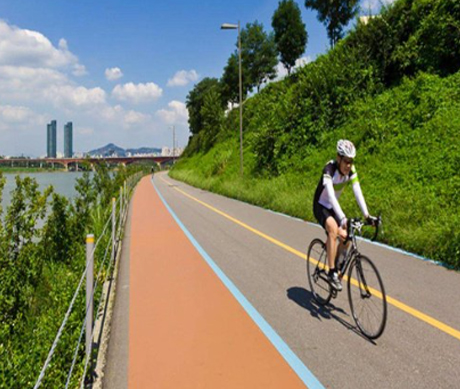
Many colored road surface systems are designed with anti-slip properties. High-friction aggregates such as calcined bauxite, ceramic particles, or specialized minerals can be incorporated into the surface layer to improve traction.
This enhanced grip is particularly valuable on:
Intersections
Sharp curves
Roundabouts
Bus stops
School zones
Pedestrian crossings
Steep ramps
Improved skid resistance helps vehicles maintain better control during wet weather and emergency braking situations.
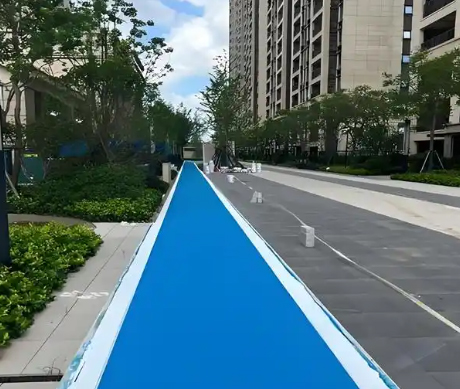
Colored pavement serves as an effective traffic guidance tool. Different colors can be assigned to specific roadway functions, making traffic patterns easier to understand at a glance.
Common applications include:
Red for bicycle lanes
Green for shared-use paths
Blue for public spaces
Yellow for warning areas
Custom colors for bus lanes and special traffic zones
This visual communication improves traffic flow and increases roadway efficiency.
Colored road surfaces remain visible in various lighting and weather conditions. Compared with standard black asphalt, colored pavement stands out more clearly, helping drivers recognize important roadway features from a greater distance.
Improved visibility is especially beneficial in areas with heavy pedestrian traffic, complex intersections, and locations requiring extra caution.
Modern cities increasingly use colored pavement to enhance public spaces and strengthen urban identity. Colored roads create a cleaner, more organized appearance and contribute to attractive streetscapes.
Applications include:
City centers
Parks
Tourist attractions
University campuses
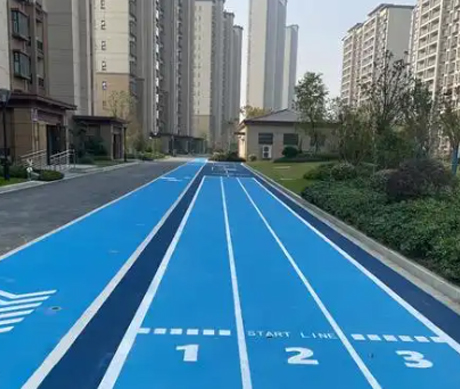
Residential communities
Commercial districts
The use of color helps transform ordinary roads into visually appealing infrastructure elements.
Today's colored road surface systems are engineered for durability. Advanced materials such as polymer-modified binders, epoxy resins, polyurethane systems, and MMA resins provide excellent resistance to:
Traffic wear
UV exposure
Weathering
Chemical spills
Surface abrasion
When properly installed and maintained, colored pavement can maintain its appearance and performance for many years.
Many modern colored pavement products are environmentally friendly and designed to support sustainable construction practices. Water-based coatings and low-VOC materials help reduce environmental impact during installation.
Some lighter-colored pavement systems can also reduce heat absorption compared with traditional dark asphalt, helping mitigate urban heat island effects.
Although colored road surfaces may have a higher initial cost than traditional asphalt, they often provide long-term value through:
Reduced accident risks
Lower maintenance of painted markings
Improved traffic organization
Extended service life
Enhanced public satisfaction
For municipalities and transportation agencies, these benefits often justify the additional investment.
Colored road surfaces are suitable for numerous infrastructure projects, including:
Bicycle lanes
Pedestrian walkways
School zones
Bus priority lanes
Traffic calming areas
Parking facilities
Parks and recreational paths
Industrial parks
Scenic roads
Airport and port facilities
Their versatility makes them one of the most practical pavement solutions available today.
Colored road surfaces offer far more than aesthetic appeal. They improve safety, increase skid resistance, enhance traffic management, boost visibility, and contribute to more attractive urban environments. With advances in pavement technology and growing demand for safer transportation infrastructure, colored road surfaces are becoming an essential component of modern road construction projects worldwide. For cities seeking to combine functionality, safety, and visual impact, colored pavement is a smart and effective solution.