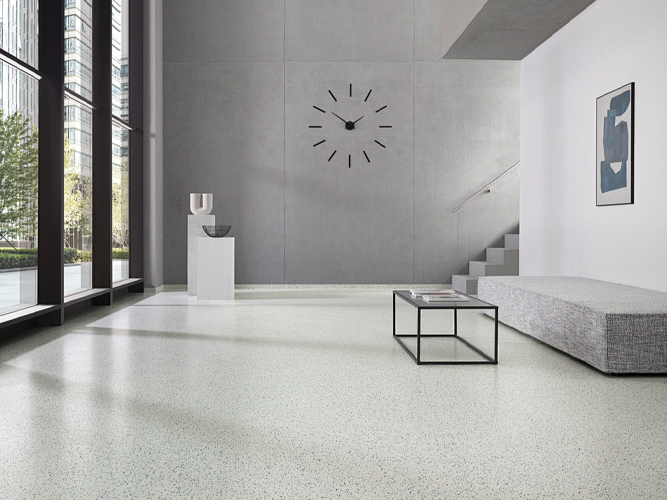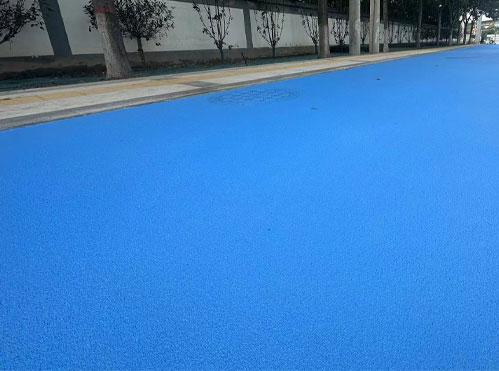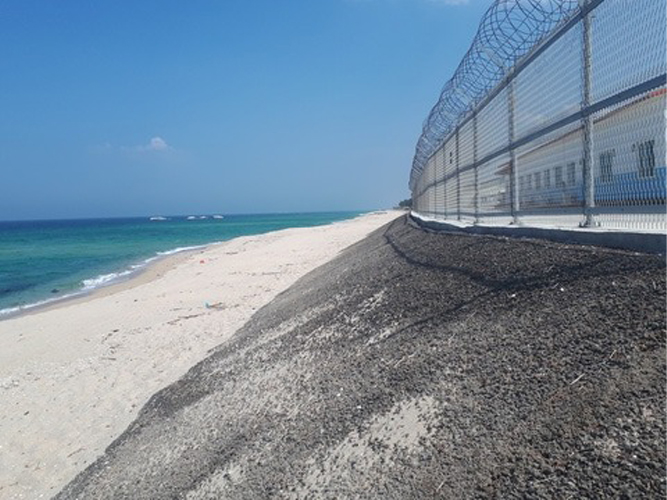
Colored pavement is a durable and high-performance surfacing system designed for roads, bicycle lanes, pedestrian areas, and urban infrastructure. To maximize its lifespan and performance, it is important to understand its lifecycle stages and follow proper maintenance practices.
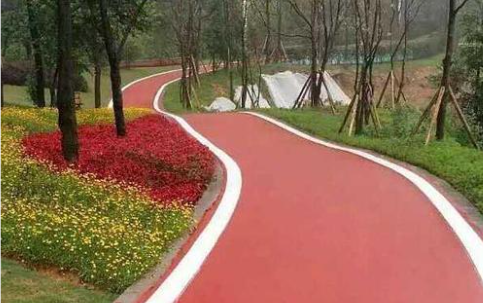
The lifecycle begins with selecting the right system based on traffic load, climate conditions, and application area. Common systems include MMA resin, epoxy, polyurethane, and colored ceramic aggregate surfacing. Each system is designed to provide specific performance characteristics such as fast curing, high skid resistance, or enhanced durability.
Proper installation is critical to pavement performance. The existing asphalt or concrete surface must be cleaned, repaired, and prepared to ensure strong bonding. A primer is often applied before the colored binder and anti-skid aggregates are installed. Once cured, the system forms a strong, textured, and colored surface layer.
During its service life, colored pavement performs under continuous traffic loads and environmental exposure. High-quality systems can maintain color stability and skid resistance for several years, depending on traffic intensity and maintenance conditions. This phase is where durability and performance are most important.
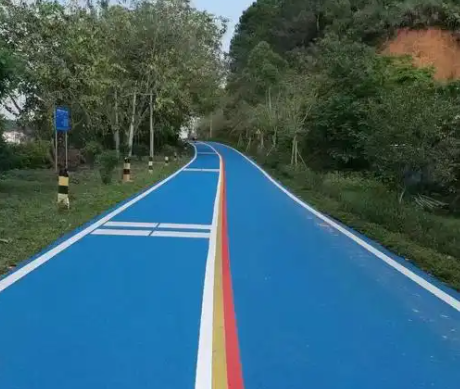
Over time, natural wear from traffic friction, UV exposure, and weather conditions may gradually reduce surface brightness and texture depth. However, well-designed systems are engineered to degrade slowly and maintain functional safety even as aesthetic appearance changes.
Routine cleaning is essential to maintain surface visibility and skid resistance. Dust, oil, debris, and rubber residues should be removed using water washing or non-abrasive cleaning methods. This helps preserve both color brightness and surface texture.
Periodic inspections should be conducted to identify early signs of wear, cracking, or surface loss. High-traffic zones such as intersections, bus lanes, and pedestrian crossings should be monitored more frequently.
If damage occurs, localized repair methods can be used to restore performance without replacing the entire surface. Resin-based patching or recoating can quickly restore skid resistance and visual consistency.
When the surface reaches the end of its effective service life, a new colored layer can be applied over the existing base. This process is faster and more cost-effective than full reconstruction and helps extend pavement usability.
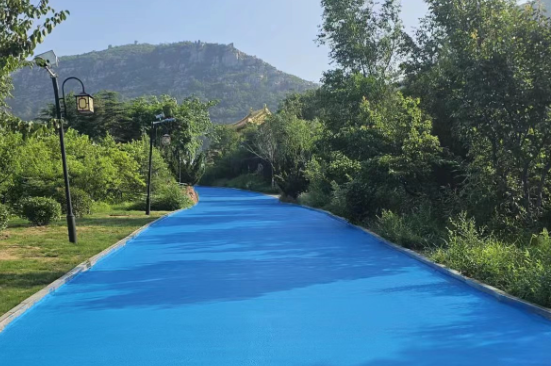
Several factors influence the lifecycle of colored pavement:
Traffic volume and vehicle weight
Climate conditions (rain, UV exposure, temperature changes)
Quality of materials used
Installation quality
Maintenance frequency
Proper control of these factors can significantly extend pavement lifespan.
The lifecycle of colored pavement includes careful design, professional installation, long-term service, and scheduled maintenance. With proper care, colored pavement systems can deliver durable performance, strong skid resistance, and lasting visual quality. Regular cleaning, inspection, and timely repairs are key to maximizing value and ensuring safe and efficient urban infrastructure over time.