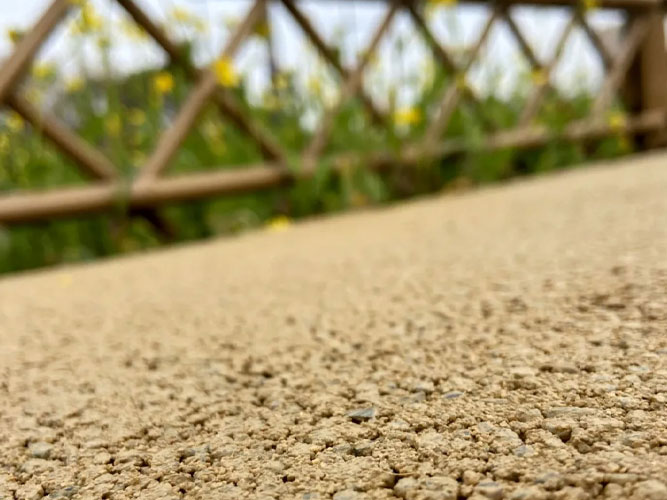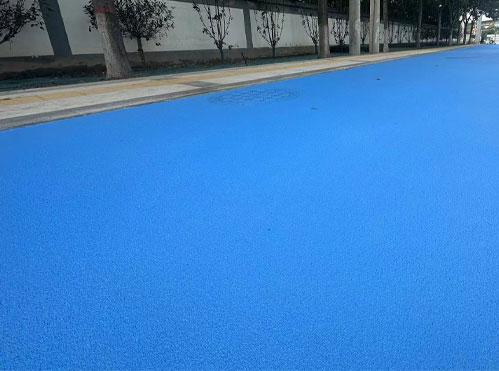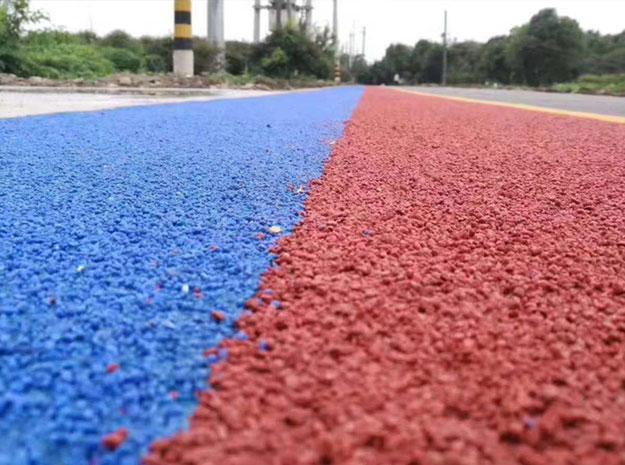
Vibrant colored road surfaces are designed to combine strong visual impact with long-term durability. Unlike simple painted markings that fade quickly, modern colored pavement systems are engineered to maintain brightness, skid resistance, and structural integrity under heavy traffic, UV exposure, and changing weather conditions.
Today’s advanced materials allow cities to create roads, bike lanes, and pedestrian spaces that stay vivid and functional for years—not months.
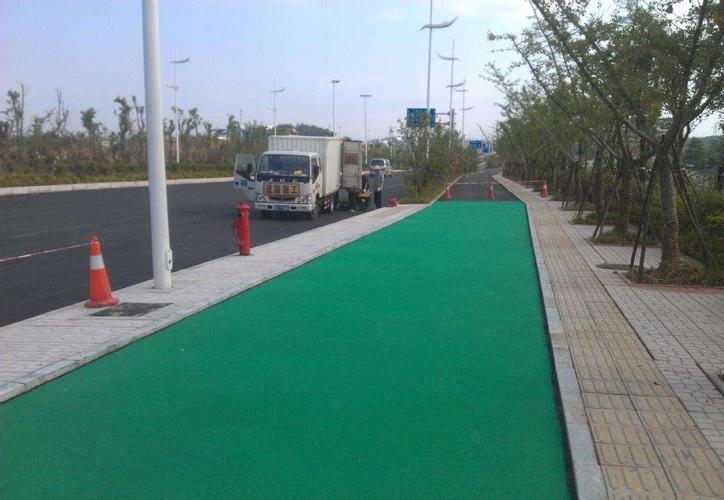
A truly vibrant colored surface depends on three key factors:
High-quality pigments or binders that resist fading
Stable base materials such as asphalt, concrete, or resin systems
UV and weather protection to prevent discoloration over time
When these elements work together, the pavement retains strong, consistent color even in demanding outdoor environments.
Modern resin systems such as MMA, epoxy, and polyurethane are widely used for long-lasting colored surfaces.
Strong chemical bonding locks in pigments
High UV resistance prevents fading
Dense surface structure reduces wear
These systems are especially popular in urban environments where appearance and performance both matter.
Instead of coating only the surface, colored asphalt uses pigments or light-colored binders mixed throughout the material.
Color is embedded, not just painted on
Even wear still maintains visible tone
Suitable for large road networks
This makes it ideal for bike lanes, scenic roads, and city streets where long service life is important.
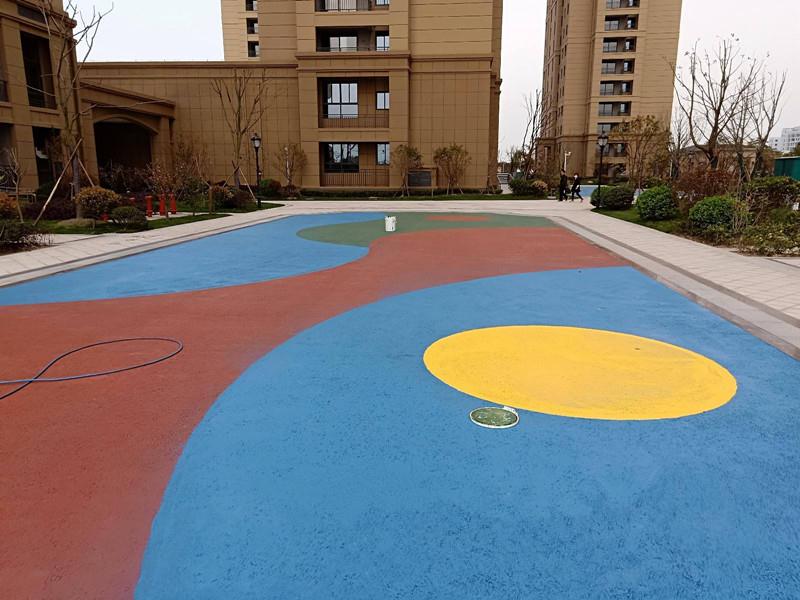
High-friction systems combine vibrant coloring with durable aggregates such as ceramic grit or calcined bauxite.
Strong resistance to abrasion
Maintains texture and color under heavy braking zones
Excellent performance in wet conditions
These surfaces are often used in safety-critical zones where both visibility and durability are essential.
One of the biggest challenges in colored pavement is fading caused by sunlight. Premium systems solve this with:
UV-stable pigments
Light-reflective formulations
Anti-oxidation additives
These technologies help preserve brightness and prevent dulling over time.
Even the best materials can fail if installed incorrectly. Long-lasting vibrancy depends on:
Correct surface preparation
Proper mixing ratios
Controlled curing conditions
Even application thickness
Good installation ensures consistent color and prevents early wear.
To keep colored roads looking vibrant:
Clean oil and debris regularly
Repair surface damage early
Avoid harsh chemical exposure
Recoat when necessary (for thin-layer systems)
Well-maintained surfaces can remain visually strong for many years.
These long-lasting colored systems are commonly used in:
Bicycle lanes in urban centers
Pedestrian walkways and crossings
Bus priority lanes
School zones and safety areas
Scenic and tourist roads
Parks and recreational paths
Smart city infrastructure projects
These environments benefit most from both visibility and aesthetics.
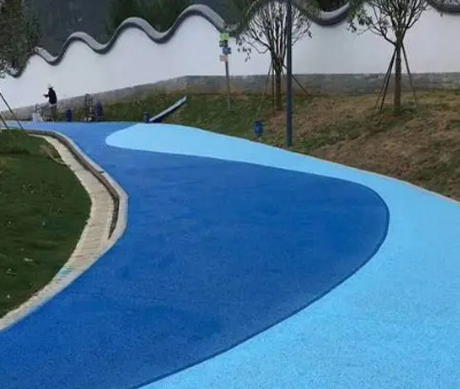
Vibrant pavement is not only about appearance—it directly impacts function:
Improves driver and cyclist awareness
Enhances traffic separation and guidance
Strengthens city identity and design
Reduces need for frequent repainting
Supports safer mobility systems
Durability ensures these benefits remain effective over time.
Vibrant colored road surfaces that last are the result of advanced materials, smart engineering, and proper installation. Whether using resin-based systems, colored asphalt, or high-friction surfacing, modern technologies make it possible to maintain strong, bright, and safe road environments for years.
For cities and developers, investing in long-lasting colored pavement means choosing infrastructure that is not only visually striking but also reliable, cost-efficient, and safety-driven.