Durable Color Emulsified Micro-surfacing with Fade-Resistant Effect
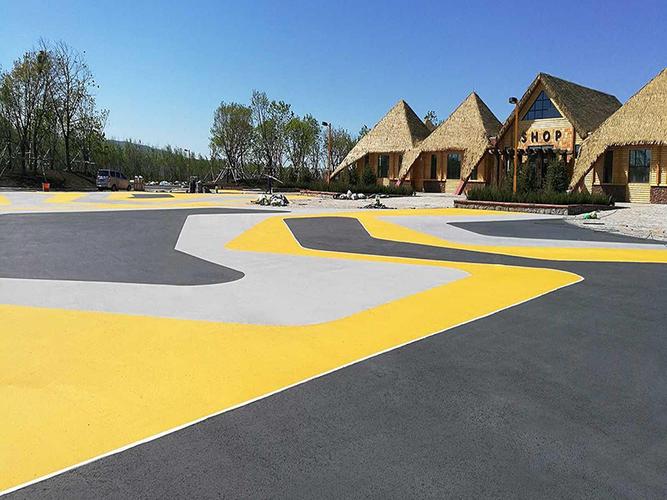
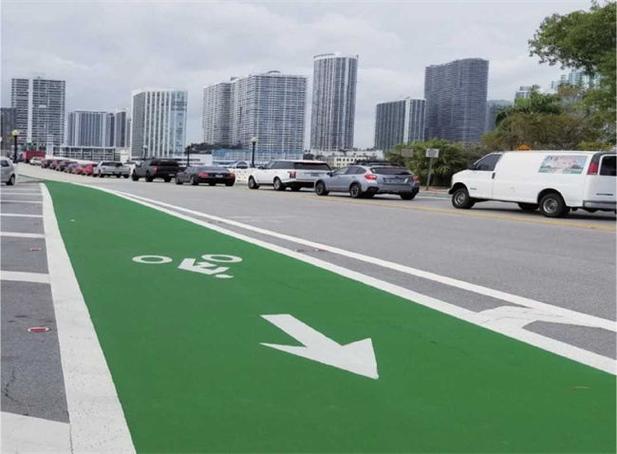
Durable color emulsified micro-surfacing with a fade-resistant effect is an advanced pavement technology designed to combine long-lasting surface protection, high visibility, and strong anti-skid performance in a single application. It is widely used in urban roads, highways, intersections, bus lanes, bike paths, and pedestrian zones where both safety and appearance must be maintained over time.
At the foundation of this system is a polymer-modified asphalt emulsion blended with carefully graded aggregates, mineral fillers, and high-stability pigments. The key innovation lies in the formulation of the color system—using UV-resistant and chemically stable pigments that resist degradation caused by sunlight, oxidation, rain, and traffic wear. This ensures that the surface color remains vibrant and consistent for years, rather than fading quickly like conventional painted markings or low-grade coatings.
The durability of the micro-surfacing layer comes from its dense interlocking structure. Once applied, the mixture forms a tightly bonded, textured surface that adheres strongly to the existing pavement. This structure provides excellent resistance to rutting, raveling, and surface stripping, even under heavy traffic loads and frequent braking conditions.
A major advantage of fade-resistant color emulsified micro-surfacing is its ability to maintain both functionality and aesthetics simultaneously. The color is not just a surface coating—it is embedded within the wearing layer itself. This integration helps prevent peeling, flaking, and patchy discoloration, which are common issues in traditional painted road markings.
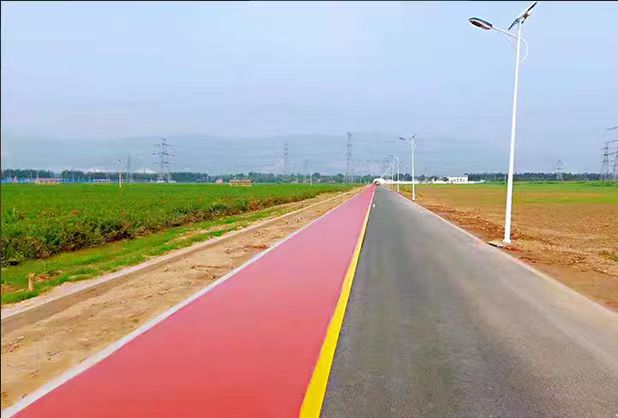
In terms of safety, the system delivers high friction performance due to its exposed aggregate texture. This improves tire grip in wet and dry conditions, making it especially effective for high-risk areas such as intersections, school zones, downhill sections, and pedestrian crossings. When combined with color zoning, it also enhances visual guidance for drivers and pedestrians, improving overall traffic organization.
Weather resistance is another critical strength. The polymer-modified binder improves elasticity and water resistance, allowing the surface to withstand temperature fluctuations, rainfall, and UV exposure without significant deterioration. This makes it suitable for tropical and high-sunlight regions where color fading is typically a major concern.
From a construction perspective, the material is applied using a cold-mix process and cures relatively quickly, minimizing road closure time. This makes it ideal for maintenance projects in busy urban environments where traffic disruption must be kept to a minimum.
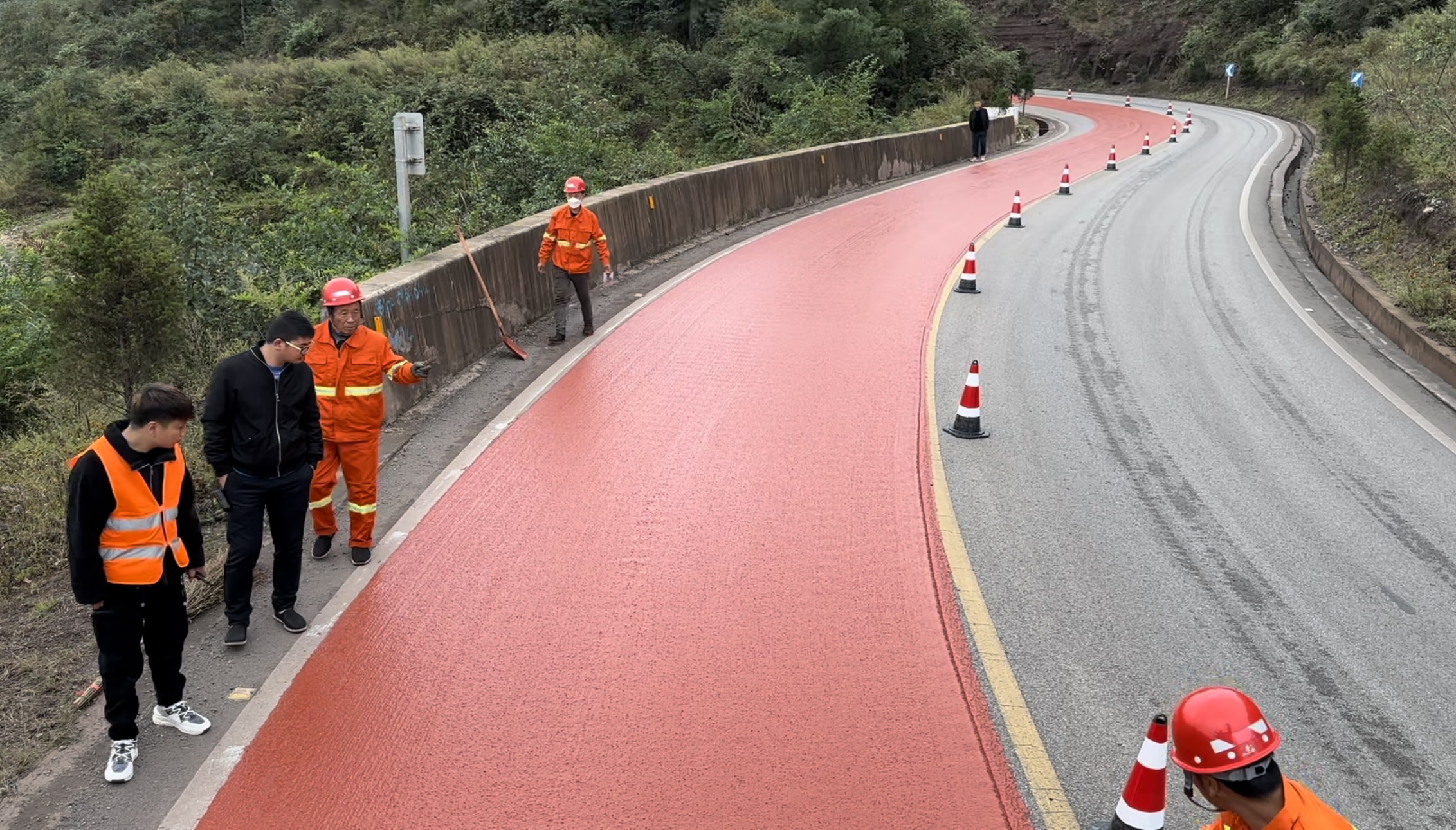
Environmentally, many modern formulations are designed to be low-VOC and energy-efficient, reducing environmental impact compared with hot-mix asphalt overlays or solvent-based coatings.
In summary, durable color emulsified micro-surfacing with a fade-resistant effect offers a long-term solution for road safety and visual management. It strengthens pavement structure, enhances skid resistance, maintains vibrant color over time, and supports efficient traffic guidance—making it a key material in modern sustainable road maintenance systems.