Technical Advantages of Modern Colored Anti-Slip Pavement Materials
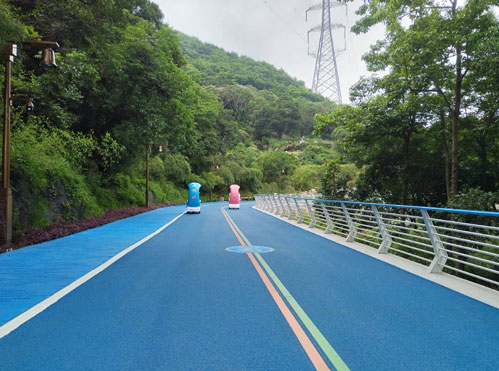
Modern colored anti-slip pavement materials represent a significant advancement in road surface engineering, combining high friction performance, durability, and visual functionality in one system. These materials are widely used in highways, urban roads, intersections, bicycle lanes, ramps, and pedestrian zones where safety and clarity are critical.
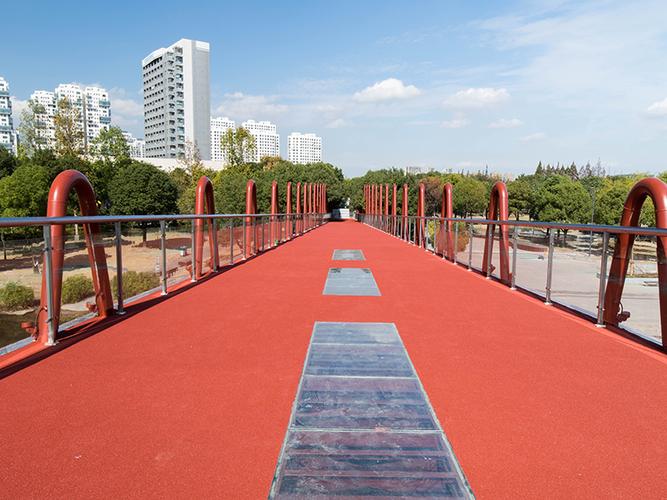
One of the most important technical advantages is high skid resistance. These systems typically use hard mineral aggregates such as ceramic particles or high-friction stones embedded in resin, polymer-modified binders, or emulsified asphalt systems. The surface texture creates strong micro- and macro-roughness, which significantly increases tire grip and reduces braking distance, especially in wet conditions.
Another key advantage is long-term wear resistance. Modern formulations are designed to withstand heavy traffic loads, repeated friction, UV exposure, and temperature fluctuations. Unlike conventional asphalt surfaces that polish over time, high-quality colored anti-slip pavements maintain their surface texture and friction level for extended service life, reducing maintenance frequency and lifecycle cost.
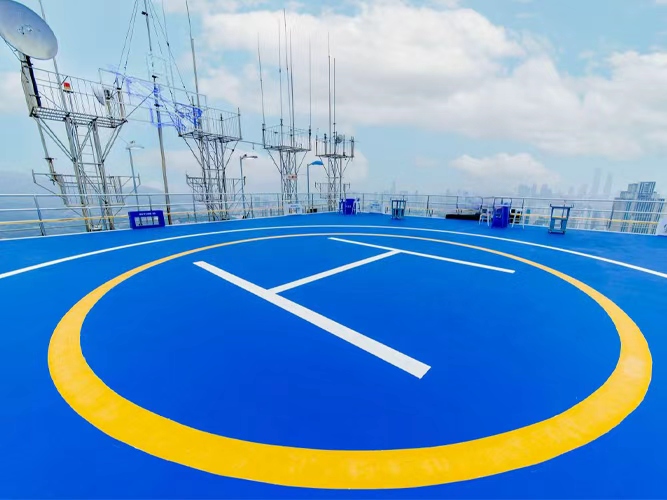
Color stability is also a major technical improvement. Advanced pigments such as iron oxide-based or inorganic color systems provide strong resistance to fading caused by sunlight, rain, and chemical exposure. This ensures that the pavement retains its visibility function, allowing clear separation of traffic zones such as bike lanes, bus lanes, and pedestrian crossings.
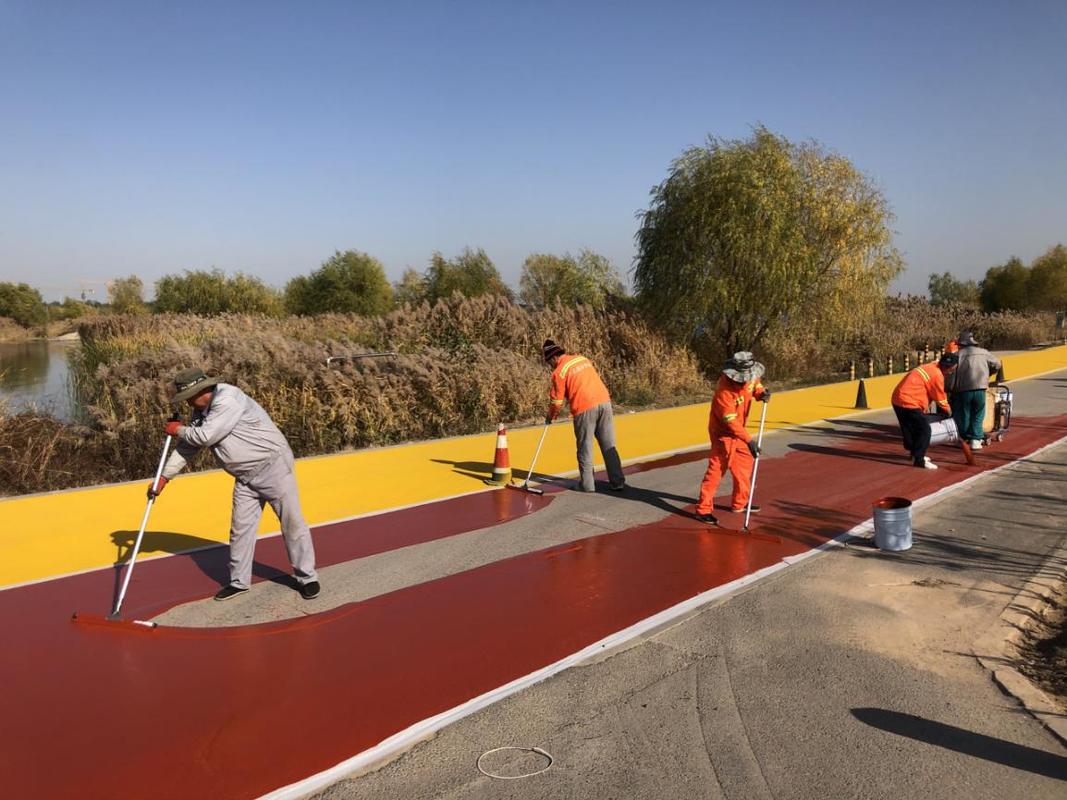
Strong bonding performance is another important feature. Modern systems use high-performance resins or modified binders that create excellent adhesion between aggregates and the base surface. This prevents particle loss, delamination, and surface cracking, even under continuous traffic stress.
Fast curing technology is also a significant benefit, especially for urban construction projects. Many resin-based or MMA systems can achieve rapid curing, allowing roads to reopen within hours instead of days. This greatly reduces traffic disruption and improves construction efficiency in busy city environments.
In addition, modern colored anti-slip pavement materials offer excellent adaptability to different substrates, including asphalt, concrete, and old pavement surfaces. This flexibility makes them suitable for both new construction and renovation projects without requiring complete road replacement.
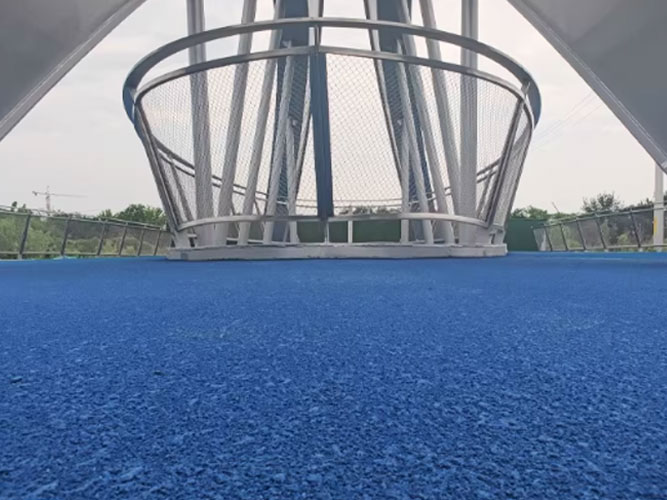
Environmental performance has also improved significantly. Many systems now use low-VOC, water-based, or eco-friendly formulations that reduce emissions during installation while still maintaining strong mechanical properties. This supports sustainable infrastructure development and green city initiatives.
Overall, modern colored anti-slip pavement materials provide a powerful combination of safety, durability, efficiency, and environmental compatibility. Their technical advantages make them a preferred solution for improving road safety and visual management in contemporary transportation systems.