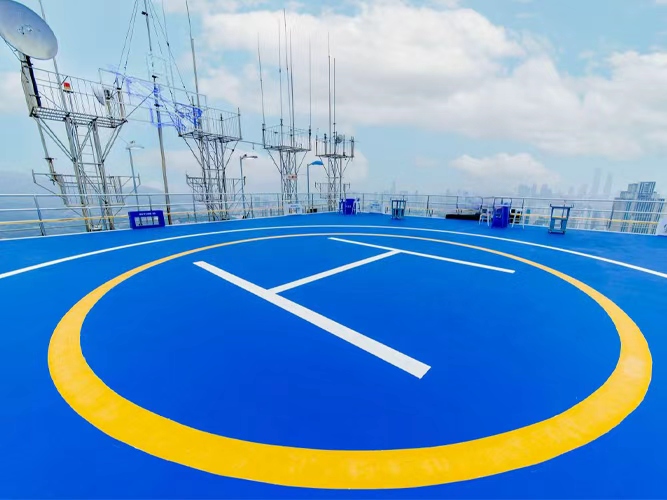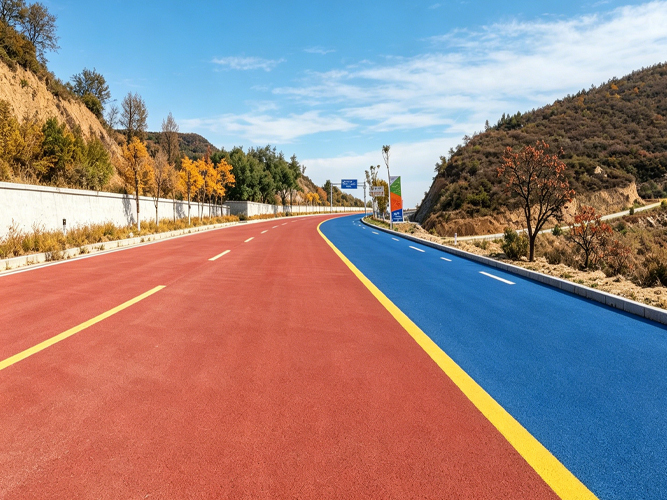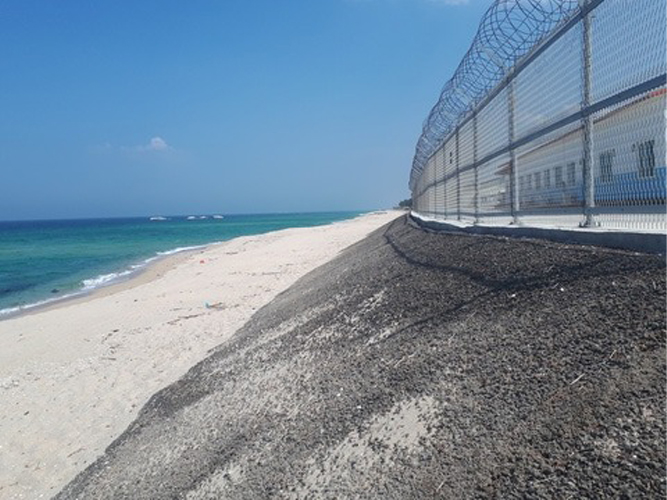
Advanced colored pavement technology is reshaping how modern cities, industrial facilities, and transportation networks design their road surfaces. It goes beyond simple road marking or decorative coating by combining high-performance materials, functional safety engineering, and long-term durability into a single surfacing system.
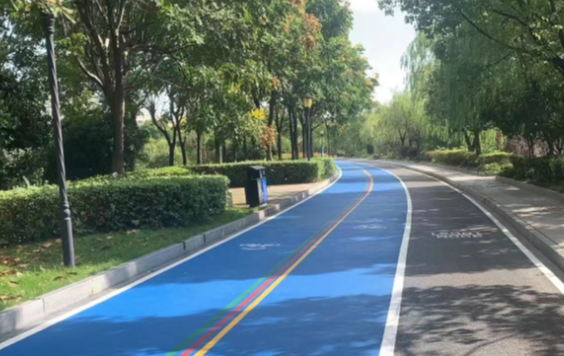
At its core, colored pavement technology is built on a specialized mixture of binders, aggregates, and pigments. These components work together to create a surface that is not only visually distinct but also structurally capable of handling heavy traffic loads and environmental stress. Unlike traditional paint-based markings, advanced systems form a bonded surface layer that becomes part of the pavement structure itself.
One of the most important advancements in this field is the integration of anti-skid performance. Modern colored pavement systems are designed with high-friction aggregates that improve tire grip, reducing braking distance and enhancing vehicle control. This makes them especially effective in high-risk areas such as intersections, ramps, curves, pedestrian crossings, and industrial traffic zones.
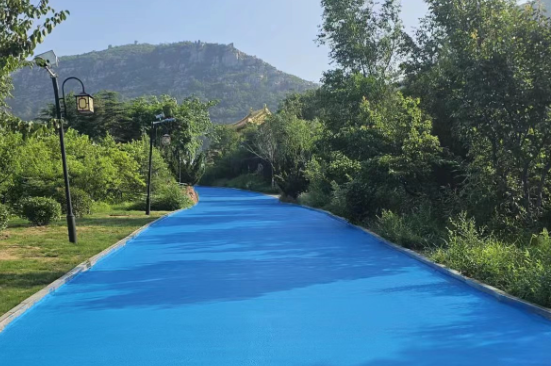
Another key feature of advanced technology is environmental resistance. These systems are engineered to withstand UV exposure, temperature fluctuations, rain, and chemical contamination such as oil or fuel spills. This ensures that both color integrity and surface performance remain stable over long service periods, even in demanding outdoor conditions.
Color functionality has also evolved from purely aesthetic use to a structured traffic management tool. Cities and facility operators now use color-coded pavement to define functional zones, separate traffic types, and guide movement. For example, different colors can clearly distinguish vehicle lanes, bicycle paths, pedestrian areas, loading zones, and restricted operational sections. This improves traffic organization and reduces confusion in complex environments.
Installation efficiency is another major advantage of advanced colored pavement systems. Many modern solutions are designed for rapid application over existing asphalt or concrete surfaces. This minimizes construction time and reduces disruption to traffic or facility operations. In many cases, surfaces can be reopened shortly after installation depending on the system used.
Durability and lifecycle performance are also central to the technology. Advanced systems are designed to resist wear from heavy traffic and maintain surface texture over time. This reduces maintenance frequency and lowers long-term infrastructure costs, making them a practical choice for both public and private projects.
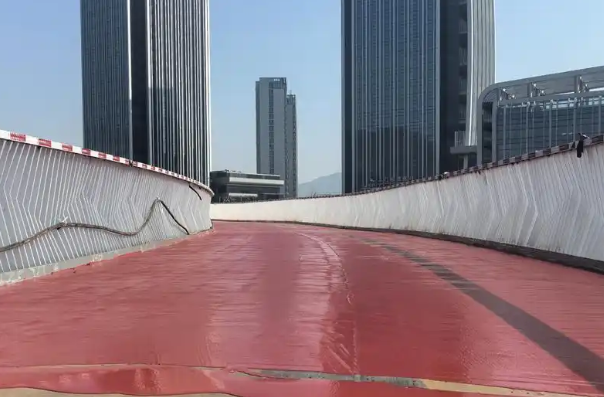
In addition, modern colored pavement technology supports sustainable infrastructure development. By extending pavement lifespan and reducing the need for frequent resurfacing, it helps lower material consumption and maintenance-related emissions. Many systems also use low-VOC or water-based formulations to reduce environmental impact during installation.
As urban environments become more complex and traffic demands continue to grow, advanced colored pavement technology is playing an increasingly important role in road safety and infrastructure design. By combining durability, friction performance, visual guidance, and efficient installation, it provides a comprehensive solution for modern surface engineering needs.