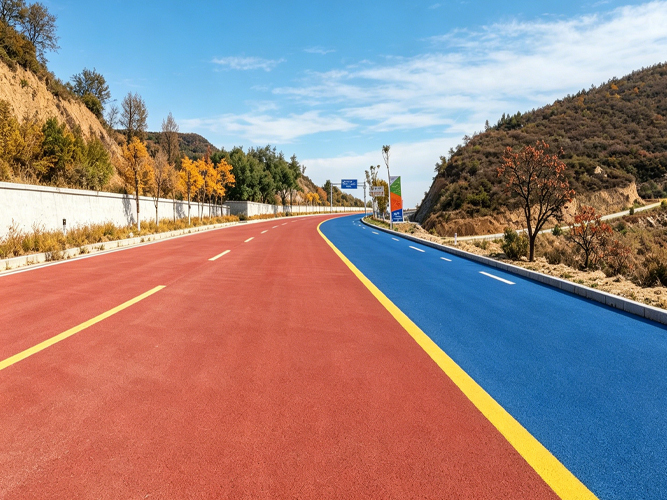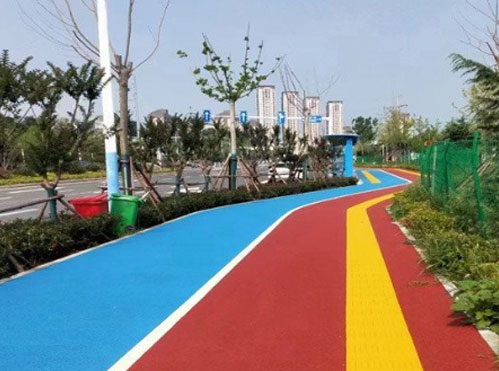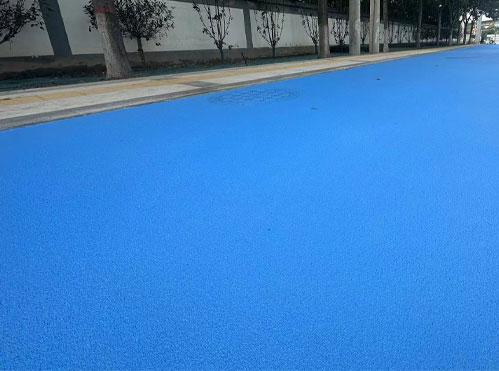
Colored road surface coating systems have become increasingly popular in modern transportation projects due to their ability to improve safety, enhance road appearance, and provide long-term pavement protection. When planning a colored pavement project, understanding the cost factors involved is essential for contractors, municipalities, and developers to select the most suitable solution.
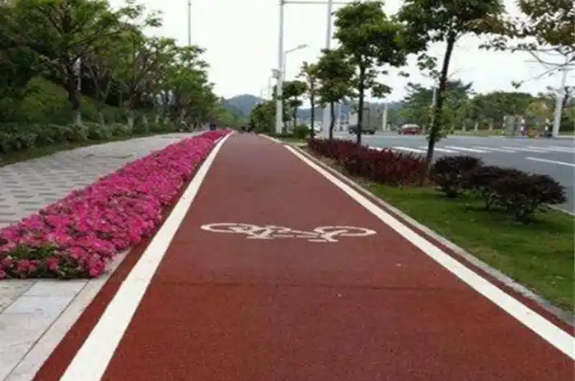
The total cost of a colored road surface coating system depends on several factors, including material type, project size, pavement condition, installation requirements, and expected service life. Unlike traditional pavement treatments, colored coating systems provide additional functions such as anti-slip performance, traffic guidance, and decorative improvement, which can influence the overall investment.
Different colored pavement technologies have different price ranges based on their performance characteristics.
MMA Resin Colored Pavement is considered a premium high-performance solution due to its rapid curing speed, excellent bonding strength, and resistance to heavy traffic. It is commonly used for intersections, bridges, ramps, race tracks, and high-friction areas where long-term durability is required.
Water-Based EAU Colored Anti-Slip Pavement provides an environmentally friendly solution with low VOC emissions and good durability. It is widely applied in bicycle lanes, pedestrian areas, parks, and urban renewal projects where both safety and appearance are important.
Water-Based SP Colored Pavement Systems offer a balance between performance and cost efficiency, making them suitable for various municipal roads, commercial areas, and public spaces.
Ceramic Aggregate Anti-Skid Pavement Systems usually involve higher material costs because high-strength ceramic particles provide excellent wear resistance, color stability, and long service life.
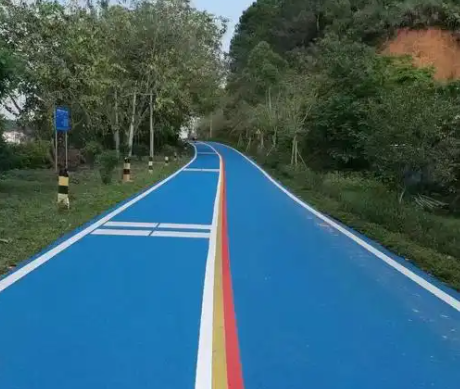
Before applying colored road surface coatings, proper pavement preparation is required. This may include:
Cleaning dust, oil, and debris
Grinding or shot blasting
Repairing cracks and damaged pavement
Applying primer layers
The condition of the existing pavement has a direct impact on preparation costs. A well-maintained asphalt or concrete surface requires less preparation, while damaged surfaces may require additional repair work.
Professional installation plays an important role in achieving the expected performance of colored pavement systems. Labor costs depend on:
Project size and complexity
Construction equipment requirements
Surface preparation methods
Number of coating layers
Traffic management requirements
Larger projects usually achieve better cost efficiency because material usage and labor organization become more optimized.
The required coating thickness affects both material consumption and project cost. High-traffic areas generally require thicker systems with stronger anti-slip aggregates, while pedestrian areas may use thinner decorative coatings.
Customized designs, including multiple colors, patterns, logos, or traffic markings, may increase installation costs but provide additional aesthetic and functional value.
Although colored road surface coating systems may have a higher initial cost compared with traditional pavement coatings, they often provide better long-term economic value.
High-quality systems offer:
Longer service life
Reduced maintenance frequency
Improved traffic safety
Better visibility
Enhanced urban appearance
By reducing accidents and minimizing frequent repairs, colored pavement systems can provide significant lifecycle cost advantages.
Colored road surface coating systems are used in many applications, including:
Bicycle lanes
Pedestrian walkways
Bus lanes
Commercial streets
Parking areas
Bridges and tunnels
Industrial roads
Scenic and recreational areas
Each application requires different performance levels. For example, a busy urban intersection may require a high-friction MMA system, while a pedestrian plaza may prioritize decorative appearance and environmental performance.
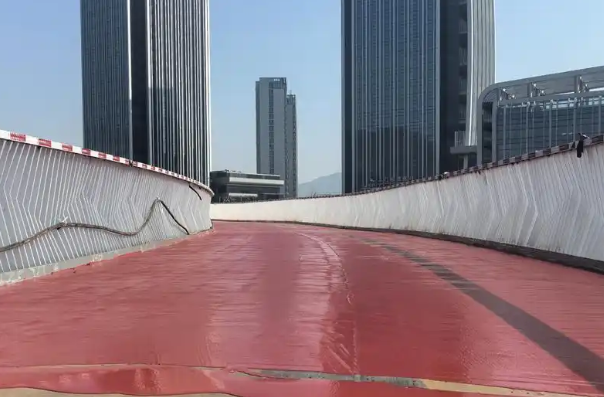
Selecting the right colored road surface coating system should consider more than the initial price. Important factors include:
Traffic volume
Climate conditions
Expected service life
Safety requirements
Maintenance budget
Visual design needs
Working with an experienced colored pavement manufacturer can help optimize material selection and construction methods to achieve the best balance between cost and performance.
The cost of colored road surface coating systems depends on many factors, including material technology, pavement condition, installation requirements, and project design. While advanced systems such as MMA resin colored pavement and ceramic aggregate anti-skid surfaces may require higher initial investment, their durability, safety benefits, and long-term performance make them valuable solutions for modern infrastructure.
As cities continue to focus on safer roads and attractive urban environments, colored road surface coating systems are becoming an effective investment for improving transportation safety and pavement performance.