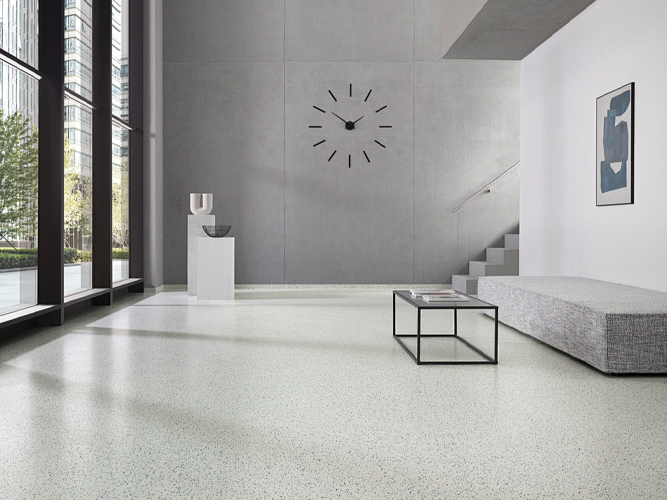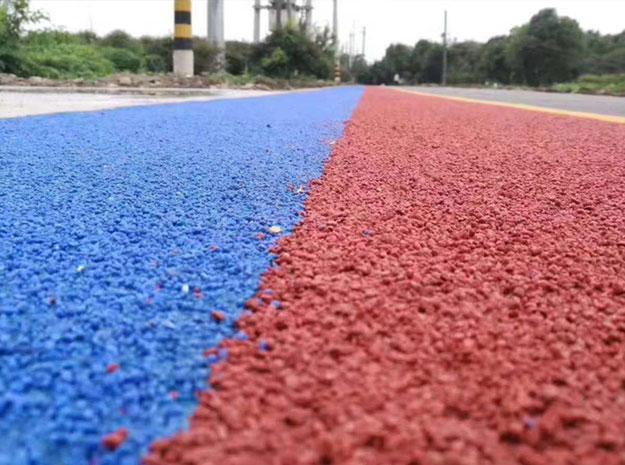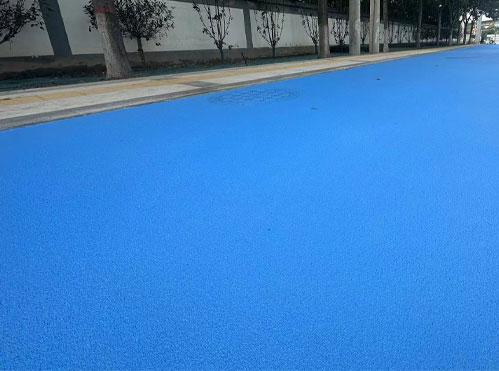
Municipal road networks play a critical role in supporting daily transportation, public safety, and urban development. As cities continue to expand and traffic volumes increase, local authorities are seeking durable and effective solutions to improve road performance and reduce accident risks. Road anti-skid materials have become an essential component of modern municipal infrastructure, providing enhanced traction, increased safety, and long-term durability for a wide range of applications.
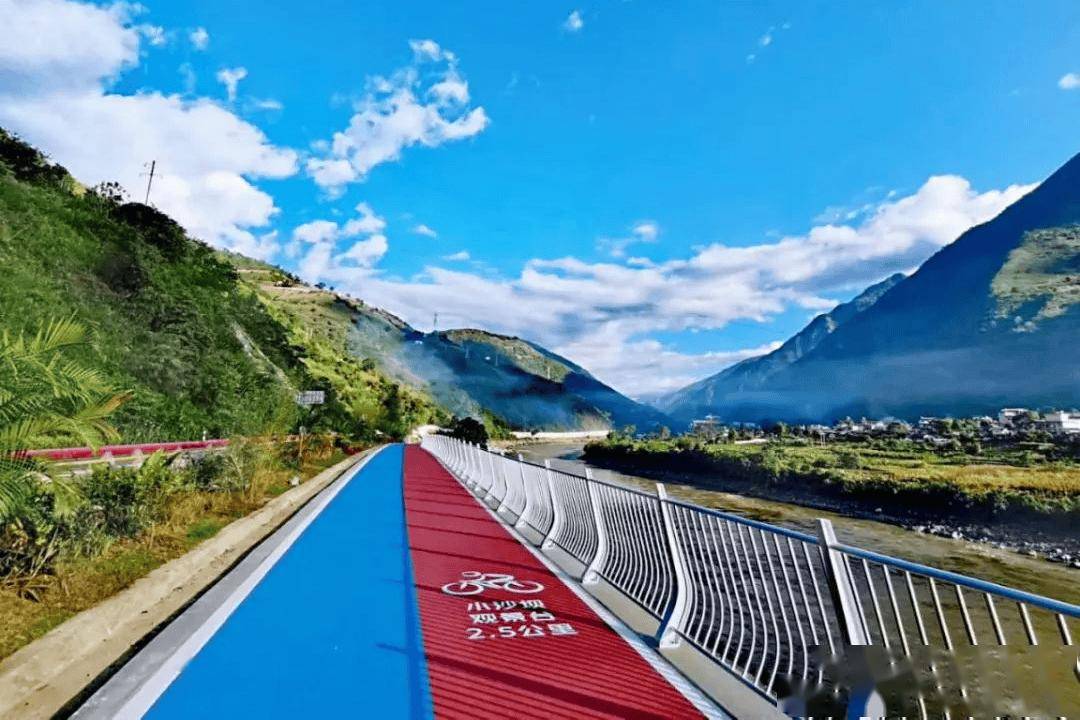
Road anti-skid materials are specially engineered surface systems designed to improve friction between vehicle tires and pavement. These materials are commonly applied to intersections, pedestrian crossings, bicycle lanes, bus lanes, roundabouts, bridge decks, school zones, and other high-risk traffic areas where additional skid resistance is required.
One of the primary benefits of anti-skid surfacing is improved road safety. High-friction aggregates combined with durable binders create a textured surface that increases tire grip, helping vehicles maintain control during braking, cornering, and wet weather conditions. This enhanced traction can significantly reduce the likelihood of skidding and improve driver confidence in challenging traffic environments.
Municipal projects often require clear traffic guidance and visual management. Colored anti-skid materials offer the additional advantage of improving visibility and road organization. Different colors can be used to distinguish bicycle paths, bus corridors, pedestrian zones, and traffic-calming areas, helping road users quickly recognize designated spaces and navigate safely.
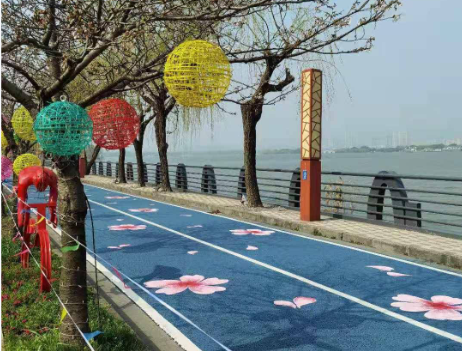
Durability is another key consideration for municipal infrastructure. High-quality anti-skid materials are designed to withstand heavy traffic loads, UV exposure, temperature fluctuations, and harsh environmental conditions. Their long service life reduces maintenance frequency and lowers overall lifecycle costs, making them a cost-effective investment for municipalities.
Environmental sustainability is becoming increasingly important in public infrastructure projects. Many modern anti-skid surfacing systems are developed with eco-friendly formulations and efficient installation methods, supporting sustainable urban development goals while maintaining excellent performance.
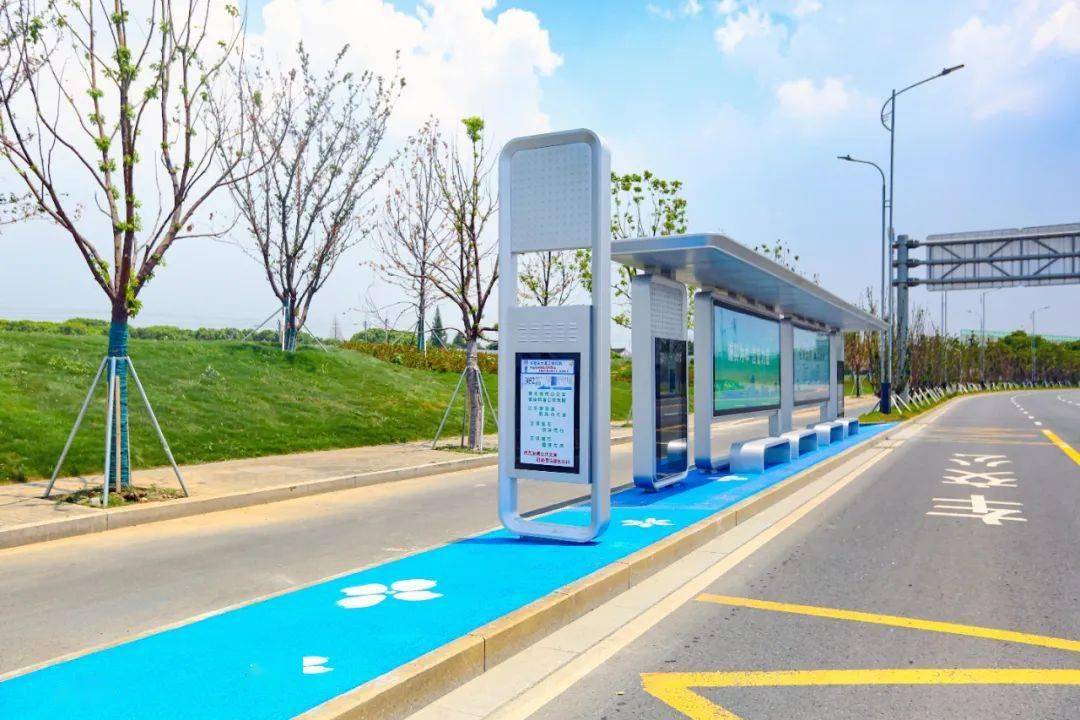
Road anti-skid materials are widely used in municipal projects such as city streets, residential roads, public transportation corridors, parks, commercial districts, and urban renewal initiatives. Their ability to improve safety, enhance visibility, and extend pavement performance makes them an ideal solution for modern cities seeking smarter and more resilient transportation infrastructure.
As municipalities continue to prioritize road safety and infrastructure modernization, anti-skid surfacing technologies will remain a valuable tool for creating safer, more efficient, and visually organized road networks. By combining functionality, durability, and safety, road anti-skid materials provide long-term benefits for both road users and local governments.