As cities continue to expand and traffic volumes increase, the demand for safer, more durable, and visually effective road surfaces is growing. Colored pavement has become a popular solution for urban streets and highways, offering both functional and aesthetic advantages. By improving traffic organization, enhancing visibility, and creating more attractive public spaces, colored pavement supports modern transportation infrastructure.
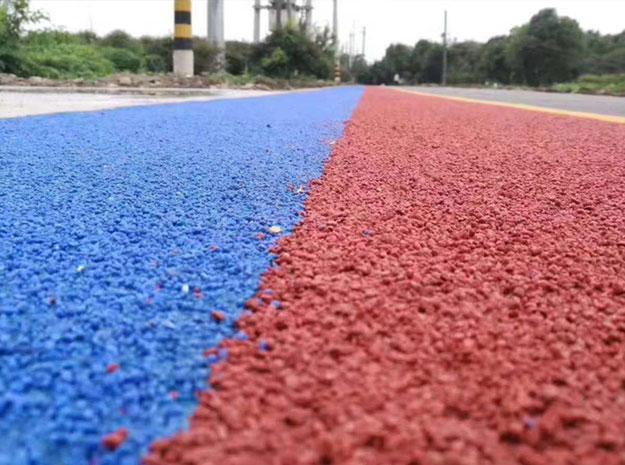
Colored pavement is widely used to distinguish different traffic zones and guide road users more effectively. Urban streets often include bicycle lanes, bus lanes, pedestrian crossings, and dedicated traffic areas that require clear visual separation. Applying colored pavement helps drivers, cyclists, and pedestrians quickly identify these zones, improving traffic flow and reducing confusion.
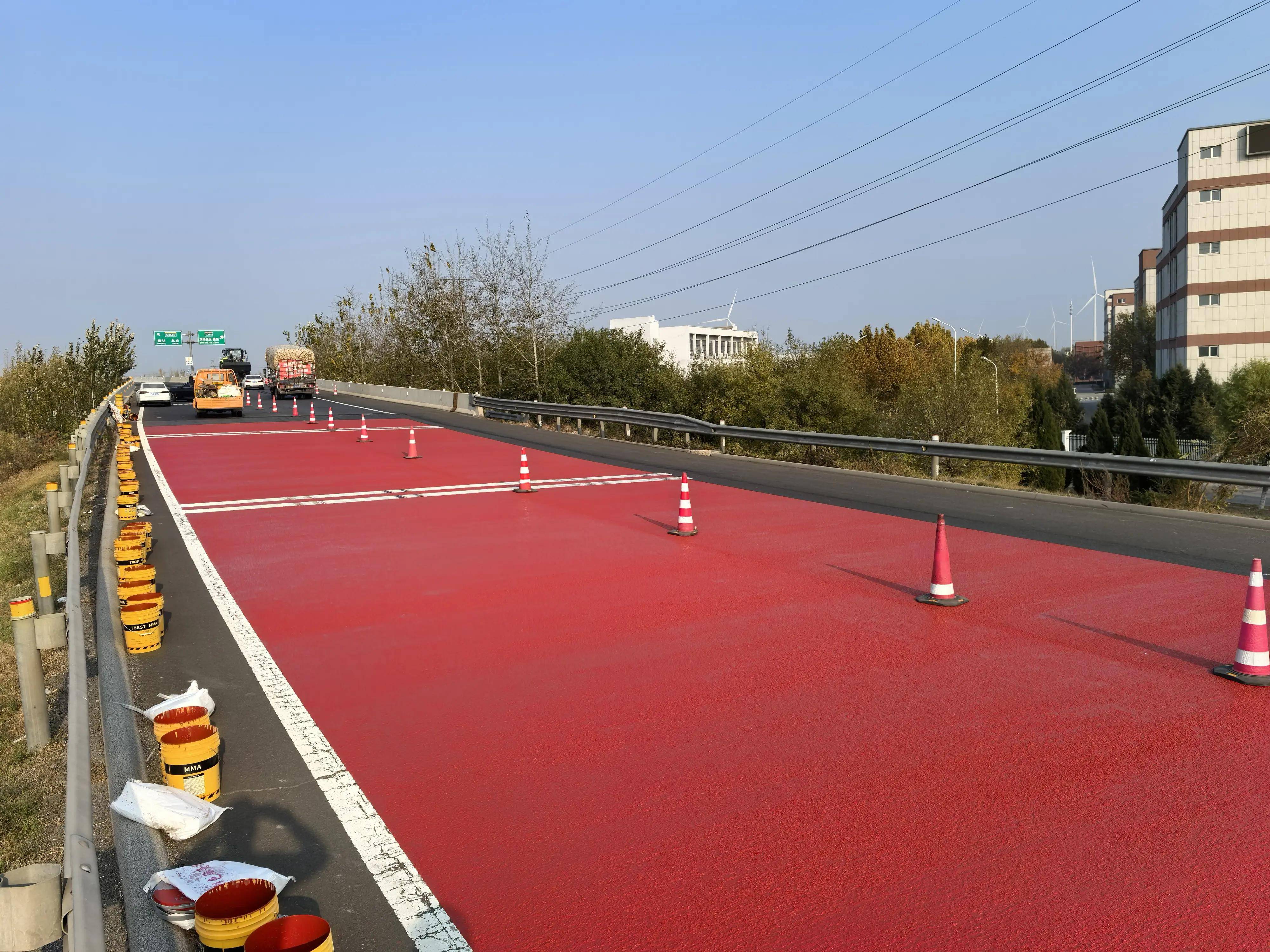
On highways and major roads, colored pavement can be used in areas where increased driver awareness is essential. Entrance ramps, exit lanes, intersections, toll plazas, and other critical sections benefit from enhanced visual recognition. The use of color helps highlight important roadway information and encourages safer driving behavior.
Modern colored pavement systems are designed to withstand heavy traffic loads and challenging environmental conditions. Advanced materials provide excellent wear resistance, weather resistance, and long-term color stability. Even under continuous vehicle traffic and exposure to sunlight, rain, and temperature changes, the pavement maintains its performance and appearance.
Safety remains one of the most important advantages of colored pavement. Many systems incorporate textured surfaces or high-friction materials that improve tire grip and reduce the likelihood of slipping. This additional traction is particularly valuable in wet conditions and on curves, ramps, and other locations where vehicle control is critical.
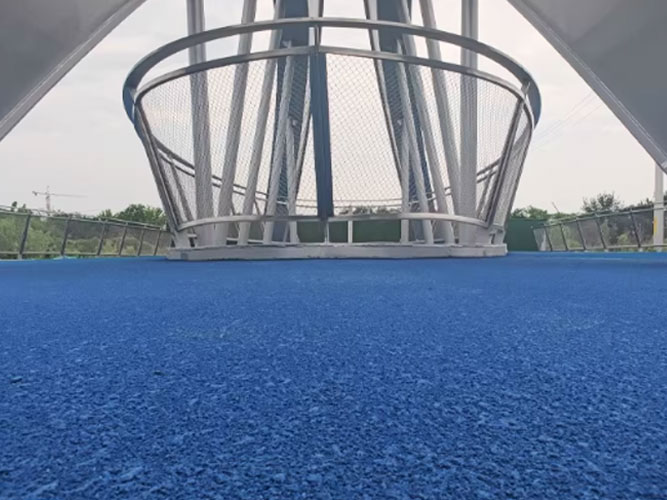
Beyond transportation benefits, colored pavement contributes to urban beautification. Vibrant road surfaces can enhance city landscapes, improve public spaces, and create a more organized and modern appearance. Municipalities increasingly use colored pavement as part of urban renewal and infrastructure improvement projects to create safer and more attractive environments.
Another advantage is its versatility. Colored pavement can be applied to new construction projects as well as road rehabilitation and maintenance programs. It is suitable for city streets, highways, bridges, tunnels, parking areas, transit corridors, and various public infrastructure applications.
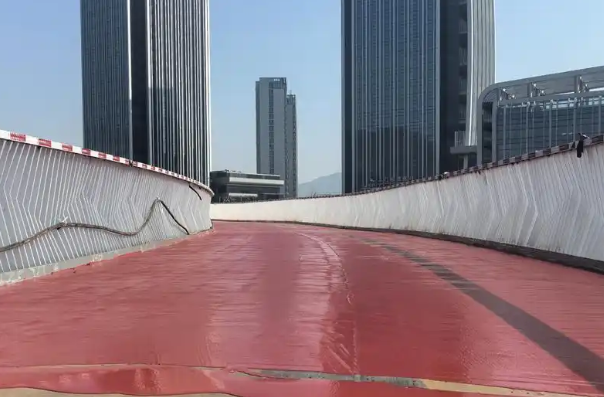
As transportation networks continue to evolve, colored pavement solutions are playing an increasingly important role in creating safer, more efficient, and visually appealing road systems. Their combination of visibility, durability, functionality, and design flexibility makes them an ideal choice for modern urban streets and highways.