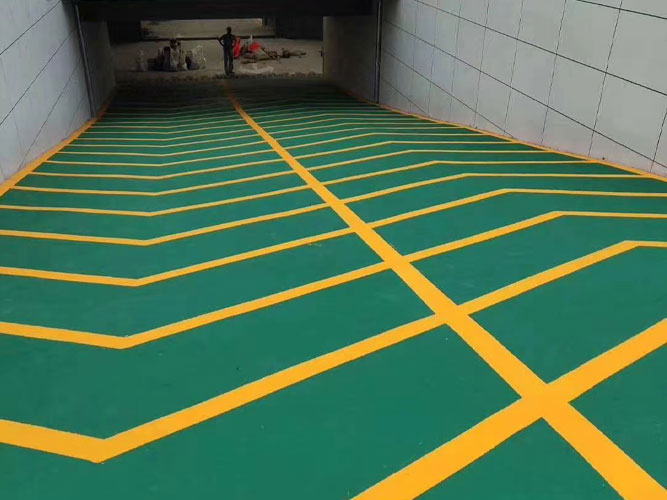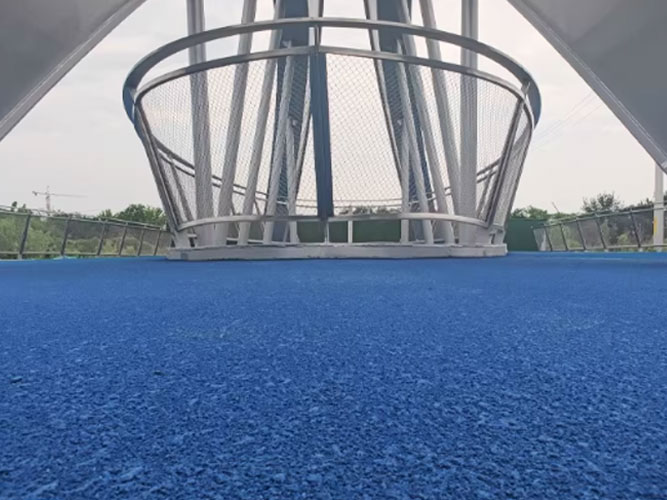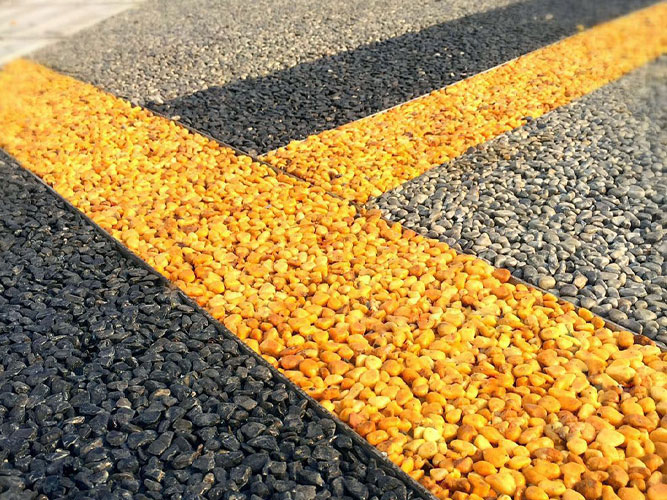
As global transportation networks continue to expand, road safety has become a key priority for governments, contractors, and infrastructure developers. Traditional road surfaces may experience reduced grip due to heavy traffic, rain, temperature changes, and long-term wear.
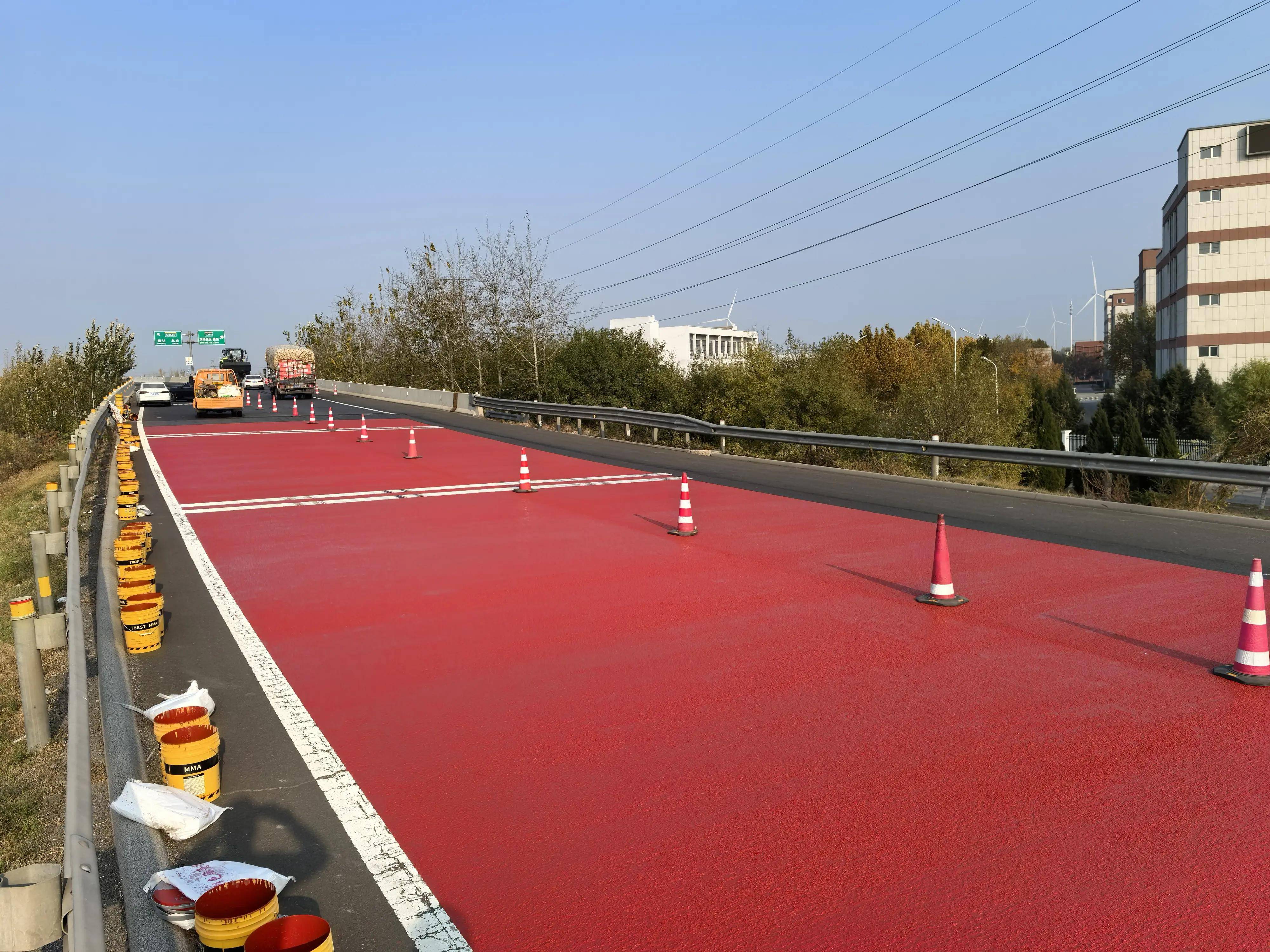
High Friction Road Materials provide an advanced solution by improving surface traction, increasing skid resistance, and creating safer driving conditions. These materials are widely used in highways, urban roads, bicycle lanes, bridges, airports, and industrial areas where reliable friction performance is essential.
High Friction Road Materials are specially engineered pavement materials designed to create a durable, high-grip surface. They typically combine strong bonding systems with high-quality aggregates to provide excellent adhesion and long-lasting friction performance.
Compared with conventional pavement coatings, high friction road materials are developed to maintain performance under demanding conditions, including heavy traffic, wet weather, and high-speed vehicle movement.
Common components include:
High-performance resin binders
Durable ceramic aggregates
Anti-skid particles
Specialized pavement additives
These materials create a textured surface that improves tire contact and vehicle control.
The main advantage of high friction road materials is their ability to increase road surface grip.
They help vehicles maintain better control during:
Emergency braking
Sharp turning
Wet weather driving
High-speed traffic conditions
This makes them ideal for accident-prone areas such as highway curves, intersections, and pedestrian zones.
Rainwater can significantly reduce pavement friction and increase stopping distance. High friction road materials maintain strong surface grip even in wet environments.
This makes them especially suitable for tropical regions with frequent rainfall, including Southeast Asia markets.
High-quality high friction materials are designed to withstand:
Heavy vehicle loads
UV exposure
Extreme temperatures
Daily traffic wear
Environmental conditions
Their durability helps reduce maintenance costs and extends pavement lifespan.
Many high friction road materials are available in different colors, providing both safety and visual guidance.
Colored surfaces can be used for:
Bicycle lanes
Bus lanes
School zones
Pedestrian crossings
Traffic calming areas
Parking facilities
The combination of color and texture improves traffic organization and road recognition.
High friction materials are widely used on highways to improve safety in high-risk areas, including:
Sharp bends
Exit ramps
Toll areas
Merging sections
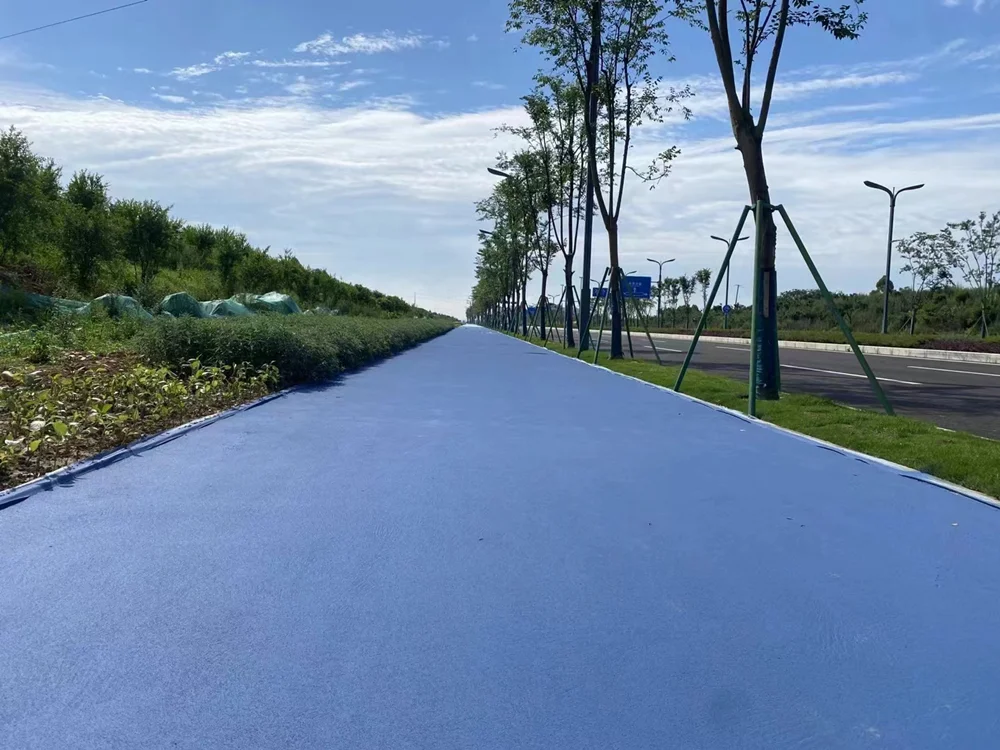
Cities use colored anti-skid pavement solutions to improve pedestrian safety and support smart transportation development.
Applications include:
Cycling paths
Residential roads
Public spaces
Urban renewal projects
Bridge decks and airport areas require strong friction performance due to heavy loads and changing weather conditions.
High friction road materials provide:
Excellent adhesion
Reliable skid resistance
Weather durability
Long-term protection
Selecting a professional manufacturer is important for achieving consistent project quality.
A reliable supplier should offer:
Stable material performance
Customized color solutions
Technical installation support
Quality testing
Export experience
The right material selection depends on traffic volume, climate conditions, application areas, and project requirements.
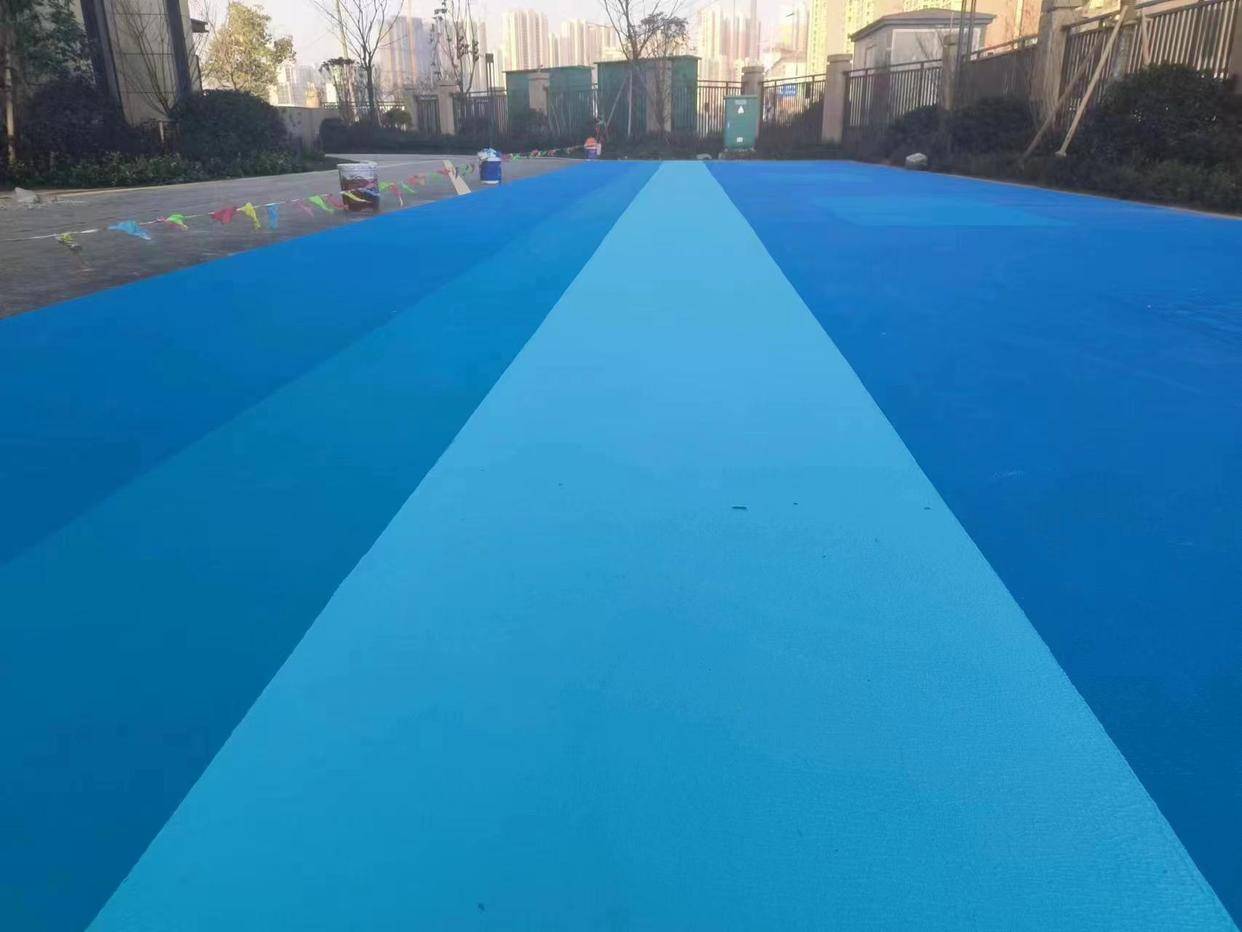
High Friction Road Materials are an important innovation in modern pavement technology. By improving surface grip, enhancing safety, and providing long-lasting performance, they help create safer roads for vehicles, cyclists, and pedestrians.
From highways and bridges to urban roads and bicycle networks, high friction materials provide an effective solution for building safer and more durable transportation infrastructure.