Road safety has become a major priority for transportation authorities, contractors, and infrastructure developers worldwide. With increasing traffic volumes and the demand for safer road networks, High Friction Surfacing (HFS) has become an effective solution for improving vehicle control and reducing accident risks in critical road areas.
High Friction Surfacing is a specialized road surface treatment designed to provide enhanced skid resistance and increased tire grip. It is usually made by applying a high-performance resin binder combined with high-friction aggregates onto existing asphalt or concrete surfaces. The system creates a durable, textured surface that improves friction between vehicle tires and the road, especially in wet or high-risk conditions.
One of the most important benefits of High Friction Surfacing is improved braking performance. Traditional road surfaces may lose friction over time due to traffic wear, weather exposure, and surface polishing. HFS restores and enhances surface grip, helping vehicles stop more effectively and reducing braking distances in emergency situations.
High Friction Surfacing is particularly valuable in areas where vehicles frequently change speed or direction. These locations include sharp curves, highway exits, bridge approaches, roundabouts, intersections, pedestrian crossings, and steep ramps. By increasing skid resistance, HFS helps drivers maintain better control and reduces the possibility of accidents caused by sliding.
High-quality HFS systems use specially selected aggregates to create a rough and durable surface texture. This provides long-lasting friction performance under both dry and wet conditions.
Modern HFS materials are designed to withstand heavy traffic loads, temperature changes, UV exposure, and harsh weather conditions. This makes them suitable for highways, bridges, tunnels, and industrial areas.
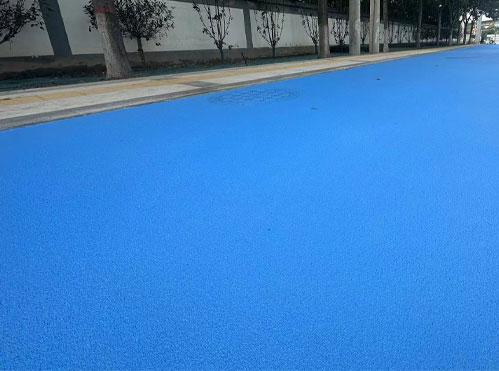
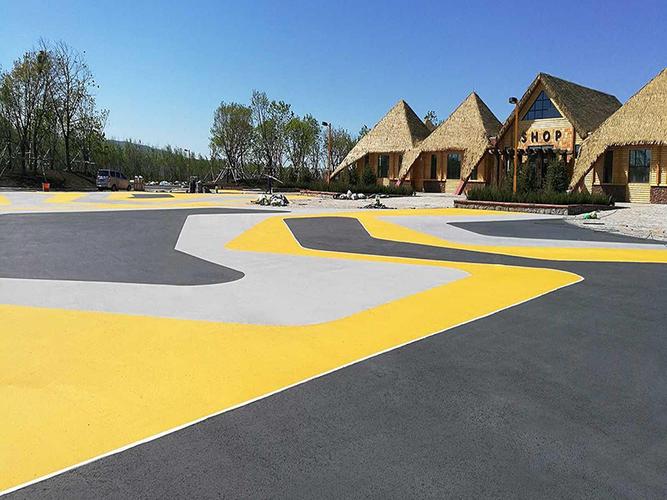
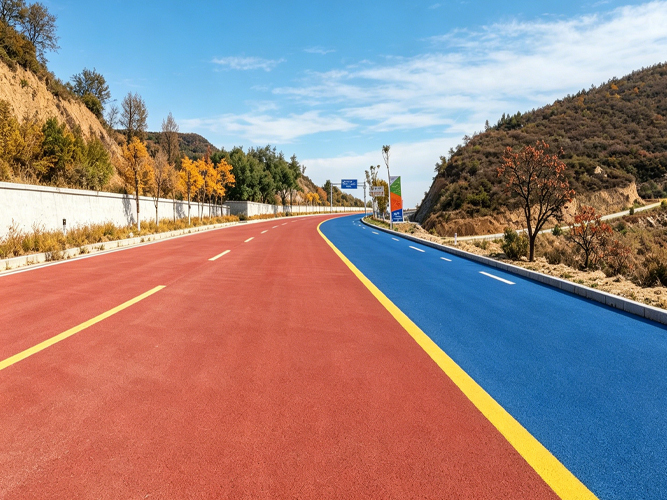
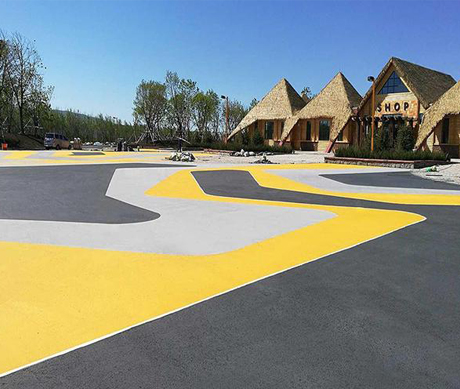
Many High Friction Surfacing systems are available in colored options. Red, green, blue, and other colors can be used to highlight dangerous zones, bicycle lanes, bus lanes, and pedestrian areas, improving road awareness and traffic organization.
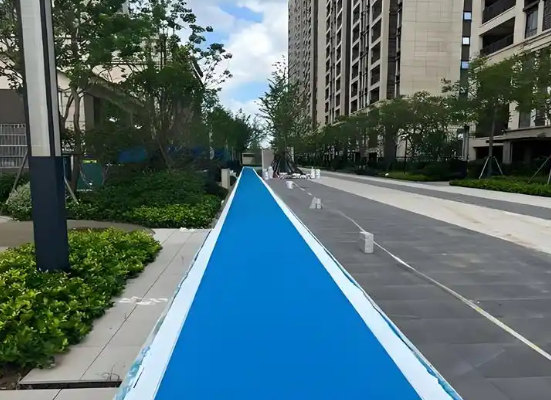
Compared with major road reconstruction, HFS can often be installed quickly with limited impact on traffic operations. This makes it an efficient choice for road maintenance and safety improvement projects.
High Friction Surfacing systems are widely used in:
Highway curves and accident-prone areas
Bridge decks and bridge approaches
Tunnel entrances and exits
Roundabouts and intersections
Bicycle lanes and pedestrian crossings
Bus lanes and transit corridors
Parking areas and industrial zones
Airport service roads
These applications help create safer transportation environments for drivers, cyclists, and pedestrians.
In tropical regions such as Southeast Asia, roads face additional challenges including heavy rainfall, high temperatures, and frequent traffic loads. High Friction Surfacing provides a reliable solution by maintaining strong grip performance during wet weather conditions.
For countries such as Malaysia, Thailand, Indonesia, and the Philippines, durable anti-skid pavement systems can help improve road safety while supporting modern urban infrastructure development.
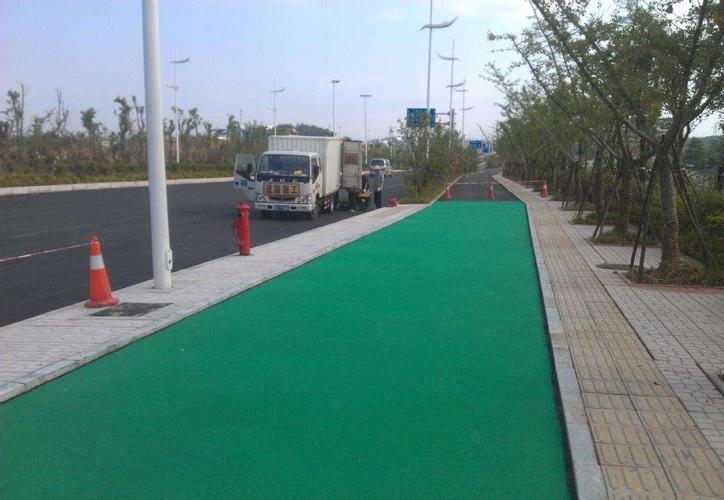
When selecting an HFS solution, project owners should consider factors such as traffic volume, climate conditions, pavement type, required friction performance, and service life expectations. A professional manufacturer can provide customized solutions based on specific road safety requirements.
High Friction Surfacing is an advanced road safety technology that improves skid resistance, enhances vehicle control, and reduces risks in high-demand traffic areas. By combining durable materials, strong friction performance, and visual safety features, HFS provides an effective solution for modern road construction and maintenance.
As cities continue to develop safer transportation networks, High Friction Surfacing will remain an important technology for creating safer highways, urban roads, bridges, and public transportation infrastructure.