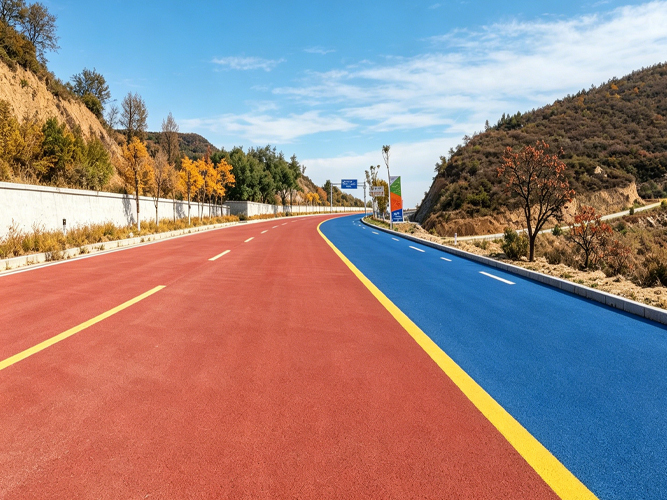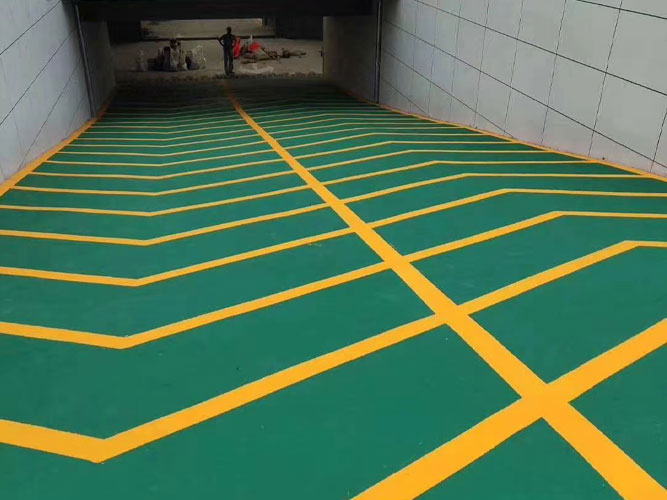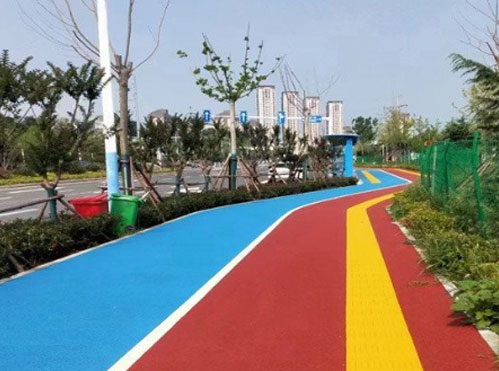
Colored Pavement for Pedestrian Areas is an innovative surfacing solution designed to improve pedestrian safety, enhance urban aesthetics, and create more organized public spaces. By combining durable pavement materials with high-visibility colors and anti-slip performance, colored pedestrian pavement provides a practical solution for sidewalks, walkways, parks, plazas, and other public areas.
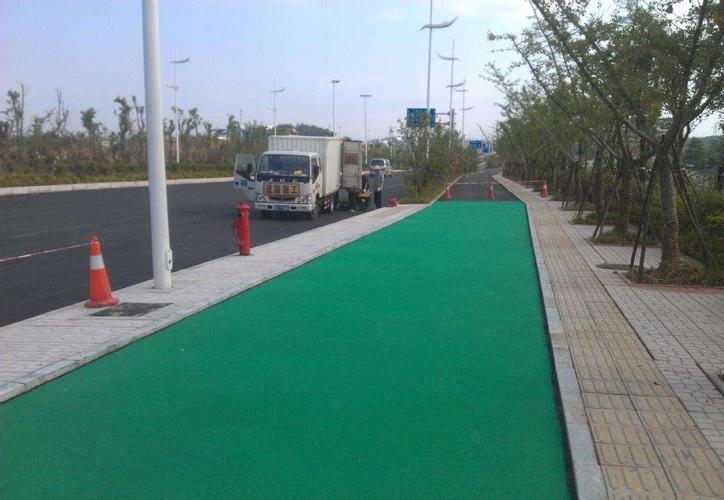
As cities continue to develop toward safer and more accessible environments, pedestrian-friendly infrastructure has become increasingly important. Colored pavement helps separate pedestrian zones, improve wayfinding, and create comfortable walking environments while maintaining long-term surface performance.
Pedestrian areas require pavement surfaces that provide reliable traction under different weather conditions. Smooth or worn surfaces can increase the risk of slipping, especially during rainy weather or in high-traffic locations.
Colored Pavement Systems are designed with textured anti-slip surfaces to improve walking safety. The enhanced friction performance helps:
Reduce slipping risks
Improve pedestrian stability
Provide safer walking conditions
Support accessible urban design
These features make colored pavement suitable for sidewalks, public squares, parks, commercial streets, and community pathways.
One of the major benefits of colored pedestrian pavement is its ability to improve visual recognition and traffic organization. Different colors can be used to define specific areas, guide pedestrian movement, and create attractive urban landscapes.
Common applications include:
Colorful pedestrian walkways
Bicycle and pedestrian shared paths
School zone safety areas
Park trails and recreational paths
Commercial street decoration zones
Public space improvement projects
The combination of functional performance and visual design allows cities to create safer and more appealing environments.
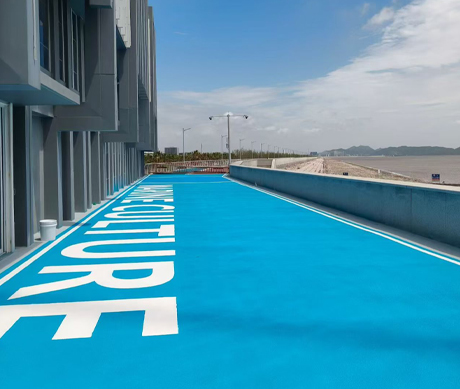
Outdoor pedestrian surfaces must withstand daily foot traffic, UV exposure, rainfall, and temperature changes. High-quality colored pavement materials are engineered to provide long-lasting performance in various environments.
Key advantages include:
Strong adhesion to concrete and asphalt surfaces
Excellent wear resistance
UV-resistant color stability
Weather durability
Low maintenance requirements
Long service life
These properties make colored pavement an ideal choice for both new construction projects and urban renovation applications.
Modern cities are focusing on inclusive and sustainable infrastructure. Colored pavement solutions support these goals by improving pedestrian movement, increasing safety awareness, and upgrading existing public spaces.
By using different colors and surface patterns, planners can create clear walking routes, improve accessibility, and enhance the overall user experience.
Colored pavement systems can be applied to different pavement surfaces, including asphalt, concrete, and renovated walkways. The installation process is efficient and suitable for a wide range of projects.
Typical construction steps include:
Surface cleaning and preparation
Application of primer or bonding materials if required
Installation of colored pavement material
Surface finishing and leveling
Curing and quality inspection
The efficient construction process helps reduce project time and minimizes disruption in public areas.
Colored pedestrian pavement is widely used in:
City sidewalks
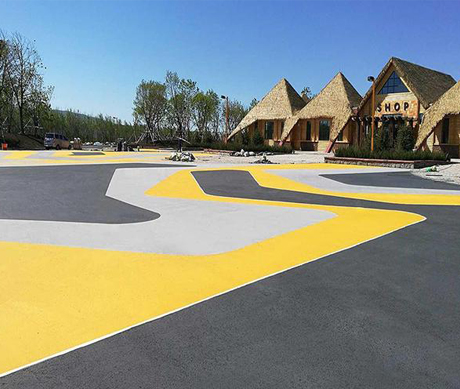
Pedestrian streets
Parks and scenic areas
Residential communities
Shopping districts
School campuses
Public squares
Smart city infrastructure projects
Colored Pavement for Pedestrian Areas provides a combination of safety, durability, and modern design. By improving slip resistance, enhancing visibility, and creating attractive public spaces, colored pavement technology plays an important role in building safer and more comfortable urban environments.
For municipalities, contractors, and infrastructure developers, colored pedestrian pavement offers a reliable solution for improving walkability and supporting the development of modern, people-oriented cities.