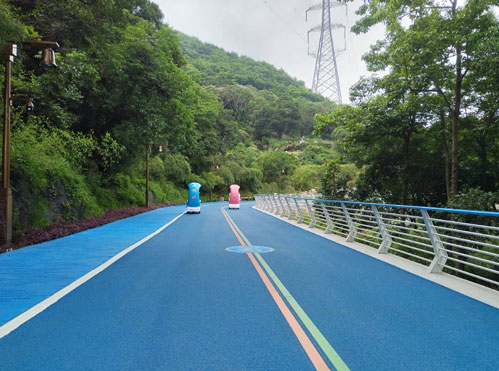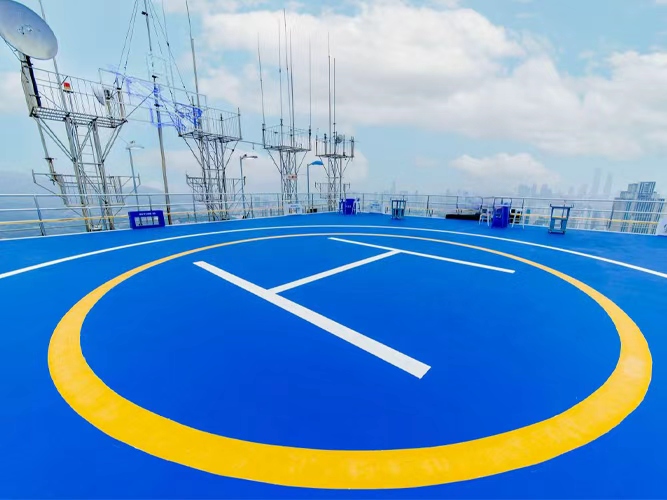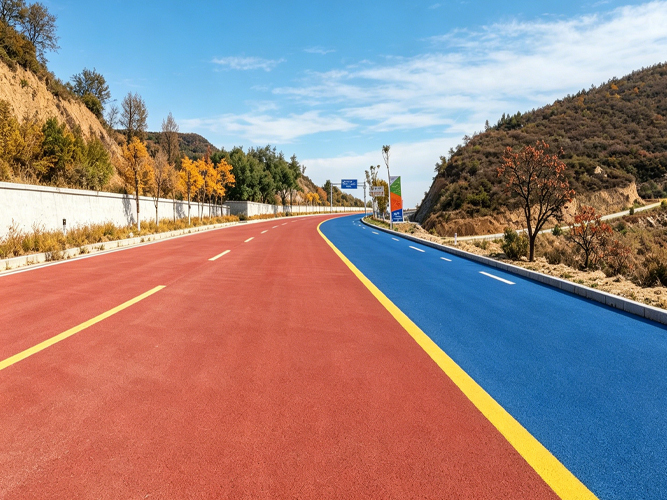
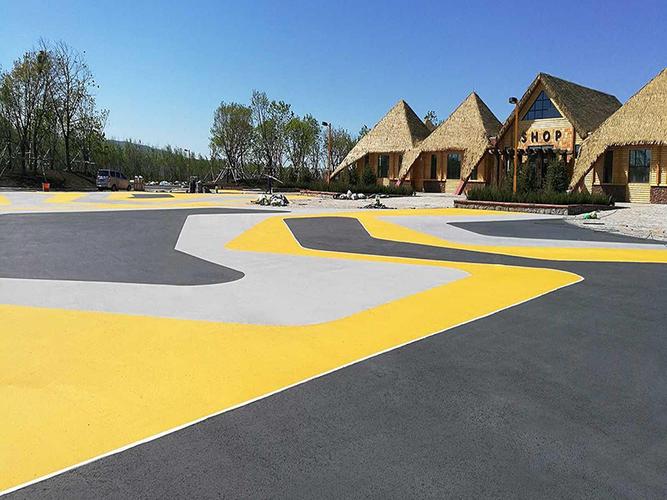
Colored anti-slip pavement layer systems are widely used in modern transportation and urban infrastructure projects to improve road safety, enhance visibility, and increase surface durability. By combining high-friction materials with durable colored binders, this advanced surfacing technology helps create safer and more efficient traffic environments for vehicles, cyclists, and pedestrians.
As cities move toward smart and sustainable infrastructure, colored anti-slip pavement layers have become an essential solution for road improvement and traffic management.
A colored anti-slip pavement layer is a thin or medium-thickness surface system applied onto asphalt or concrete pavements. It is designed to increase skid resistance while providing clear visual guidance through colored surfacing.
The system typically consists of:
Resin binder (MMA, epoxy, polyurethane, or water-based systems)
Colored ceramic aggregates
High-friction mineral particles
Wear-resistant fillers
UV-stable pigments
Once applied, the system forms a textured, durable layer that improves both safety and pavement performance.
The textured surface increases friction between tires and pavement, helping reduce slipping risks during braking, turning, and wet weather conditions.
Bright colored surfaces clearly define different traffic zones, making it easier for drivers and pedestrians to identify lanes, crossings, and hazard areas.
The anti-slip layer acts as a protective coating, reducing wear and extending the life of the underlying pavement structure.
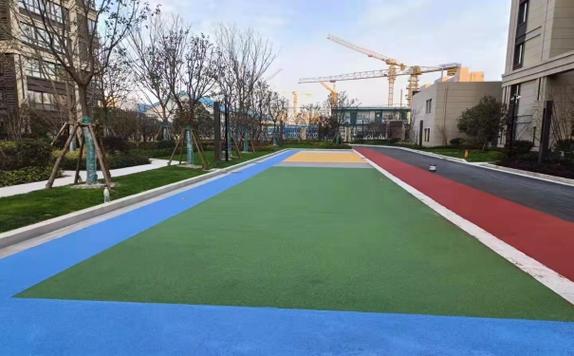
Color-coded pavement improves traffic flow by separating functional zones such as bicycle lanes, bus lanes, pedestrian crossings, and vehicle ramps.
Modern resin-based systems provide strong resistance to abrasion, UV exposure, and heavy traffic loads, ensuring long-term performance.
Many systems, especially MMA-based coatings, cure quickly and allow roads to reopen to traffic within a short time.
The surface maintains its anti-slip properties in rain, heat, and cold conditions, making it suitable for various climates.
Colored pavement enhances the visual appearance of urban infrastructure and supports modern city design standards.
The durable surface reduces repair frequency and overall lifecycle maintenance costs.
Colored anti-slip pavement layers are widely used in:
Urban intersections
Bicycle lanes
Pedestrian crossings
Bus lanes
Parking lots and ramps
Bridge decks
Tunnel entrances and exits
School safety zones
Commercial complexes
Industrial parks
These applications help improve both safety and traffic efficiency.
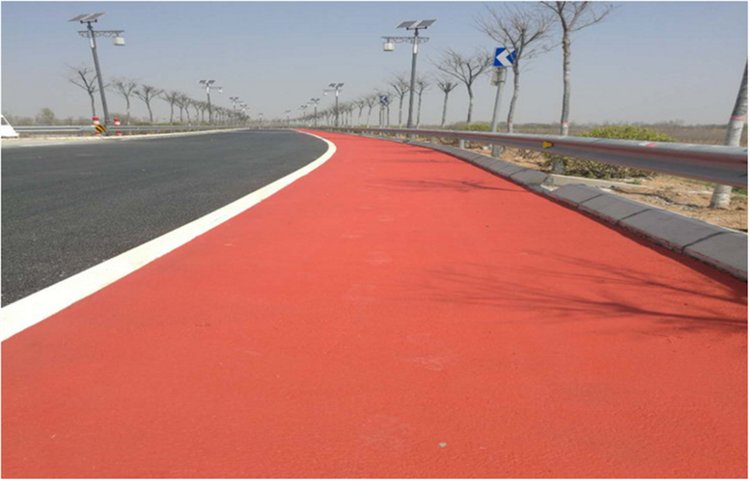
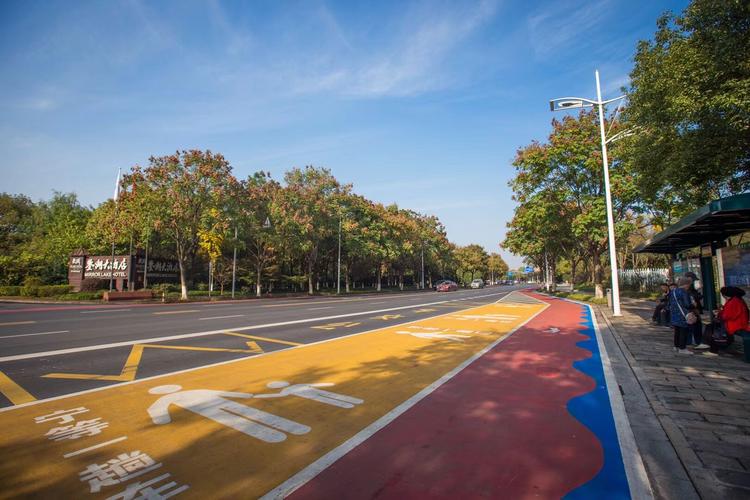
Different colors are used for specific traffic management purposes:
Red — warning zones, bus lanes, and high-risk areas
Green — bicycle lanes and eco-friendly routes
Blue — pedestrian and accessibility zones
Yellow — caution and directional guidance
Gray — standard traffic blending areas
Color coding improves driver awareness and reduces confusion in complex traffic environments.
Extremely fast curing
High mechanical strength
Excellent durability
Suitable for heavy traffic areas
Eco-friendly and low VOC emissions
Safer construction process
Suitable for sustainable city projects
Good cost-performance balance
Both systems are widely used in modern infrastructure depending on project requirements.
Colored anti-slip pavement layers play an important role in smart city infrastructure by improving road safety, enhancing mobility efficiency, and supporting intelligent traffic management systems.
They also contribute to sustainable urban design by reducing accidents and minimizing long-term maintenance needs.
The technology continues to evolve with innovations such as:
Eco-friendly low-carbon materials
Higher friction performance systems
Solar reflective coatings
Smart road marking integration
Longer-lasting color stability
Faster curing technologies
These advancements will further enhance urban road safety and sustainability.
Colored anti-slip pavement layer systems provide a reliable and efficient solution for improving road safety, traffic organization, and pavement durability. Their combination of high friction performance and vibrant color visibility makes them ideal for modern urban infrastructure.
As cities continue developing smarter and safer transportation networks, colored anti-slip pavement layers will remain a key component in future road construction and traffic management systems.