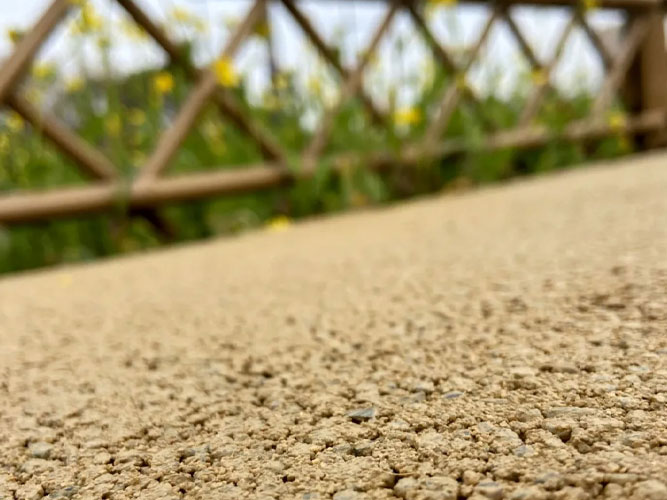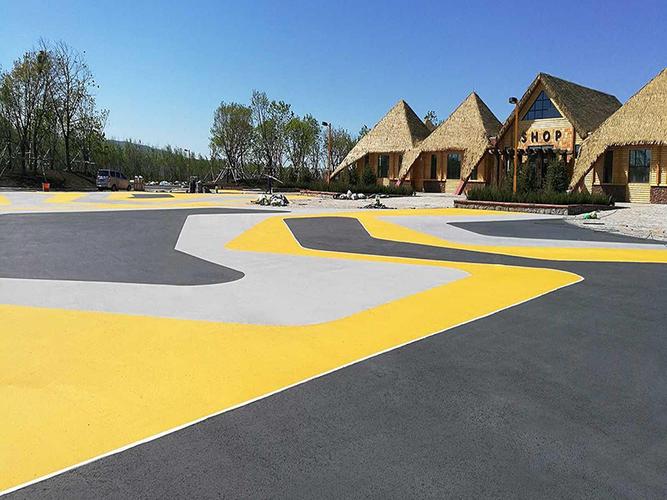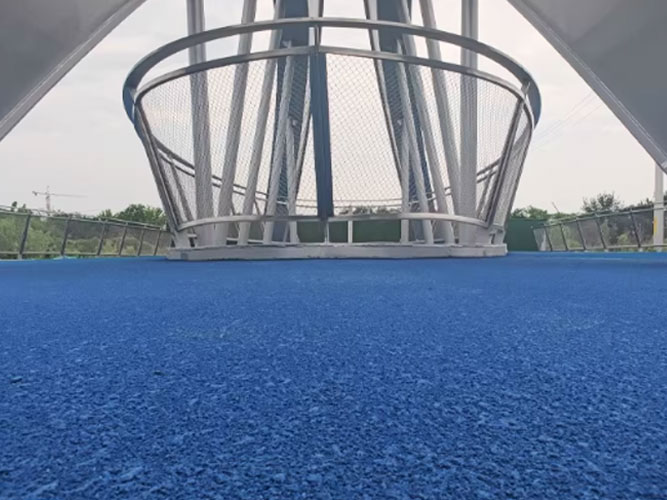
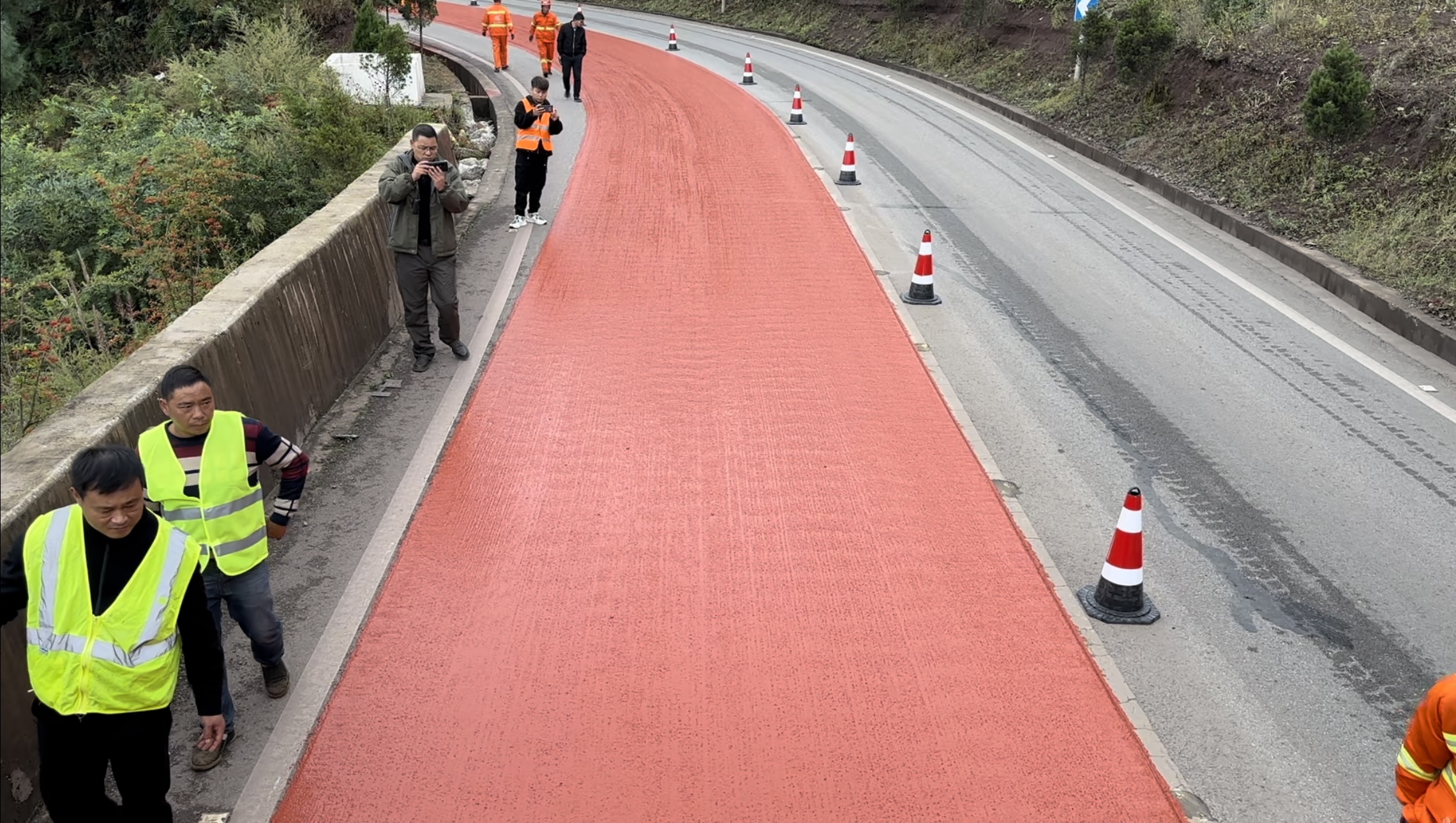
Colored micro surfacing is a high-performance road maintenance technique that combines surface renewal, skid resistance improvement, and visual enhancement in a single thin-layer application. It is widely used by cities and road authorities as a cost-effective solution to extend pavement life while improving traffic safety and urban appearance.
By applying a specially formulated mixture of polymer-modified asphalt emulsion, fine aggregates, fillers, and pigments, colored micro surfacing creates a durable and textured surface suitable for modern urban infrastructure.
Colored micro surfacing is an advanced pavement preservation technology applied as a thin overlay on existing asphalt or concrete roads. Unlike full resurfacing, it restores surface functionality without requiring deep structural reconstruction.
A typical system includes:
Polymer-modified asphalt emulsion
Fine high-quality aggregates
Mineral fillers
Color pigments (for red, green, blue, or yellow surfaces)
Water and chemical additives for performance control
This combination produces a fast-setting, high-friction, and visually distinctive road surface.
One of the main advantages of colored micro surfacing is its low cost compared to full-depth road reconstruction. It provides an efficient way to maintain large road networks with limited budgets.
Key cost benefits include:
Lower material usage compared to overlays
Minimal labor and equipment requirements
Reduced road closure time
Extended pavement service life
Delayed need for major reconstruction
For municipalities, this makes it one of the most economical road maintenance strategies.
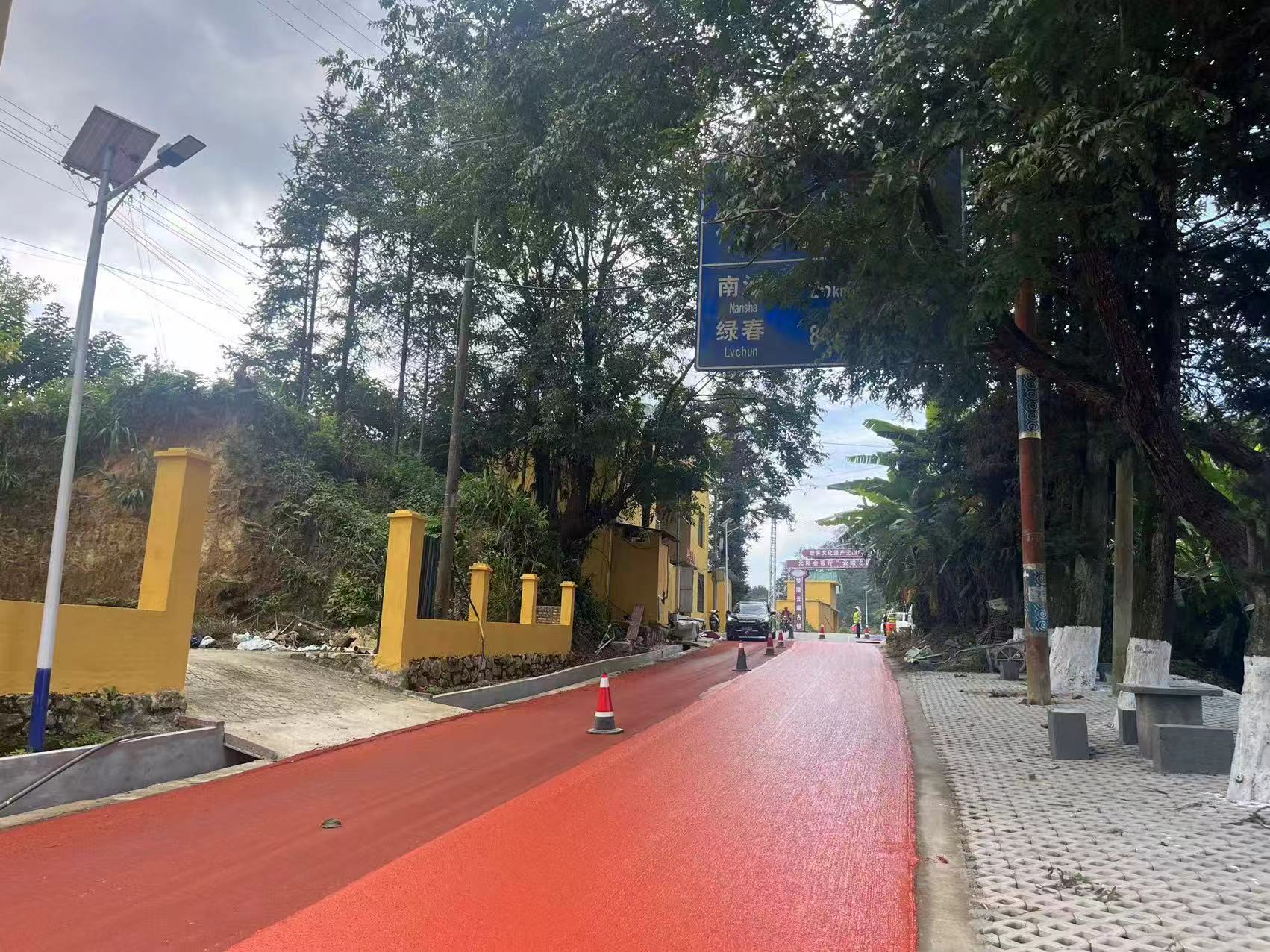
Colored micro surfacing significantly improves road safety by restoring surface texture and increasing friction. The rough aggregate structure enhances tire grip, especially in wet conditions.
Safety benefits include:
Reduced skidding on worn asphalt surfaces
Improved braking performance
Enhanced wet-weather traction
Safer driving conditions at intersections and curves
Better visibility when combined with color coding
This makes it especially effective for high-risk urban roads.
The use of color in micro surfacing allows cities to visually organize traffic zones more effectively. Different colors can be used to define road functions and improve driver awareness.
Common applications include:
Green bicycle lanes
Red bus lanes
Yellow warning zones
Blue parking or special-use areas
This visual guidance helps reduce confusion and improves traffic flow in busy urban environments.
Colored micro surfacing is known for its fast installation process and minimal impact on traffic operations. It can often be applied and reopened within a short time frame.
Advantages include:
Rapid curing and setting time
Night-time application capability
Short road closure periods
Minimal traffic disruption
Efficient large-scale deployment
This makes it ideal for urban roads where downtime must be minimized.
Beyond improving surface appearance, colored micro surfacing plays a key role in extending the lifespan of existing pavements. It seals minor cracks, prevents water infiltration, and protects the underlying structure.
Functional benefits include:
Sealing surface micro-cracks
Preventing oxidation and aging of asphalt
Improving waterproofing performance
Delaying structural deterioration
Enhancing long-term durability
This helps reduce long-term maintenance costs for road networks.
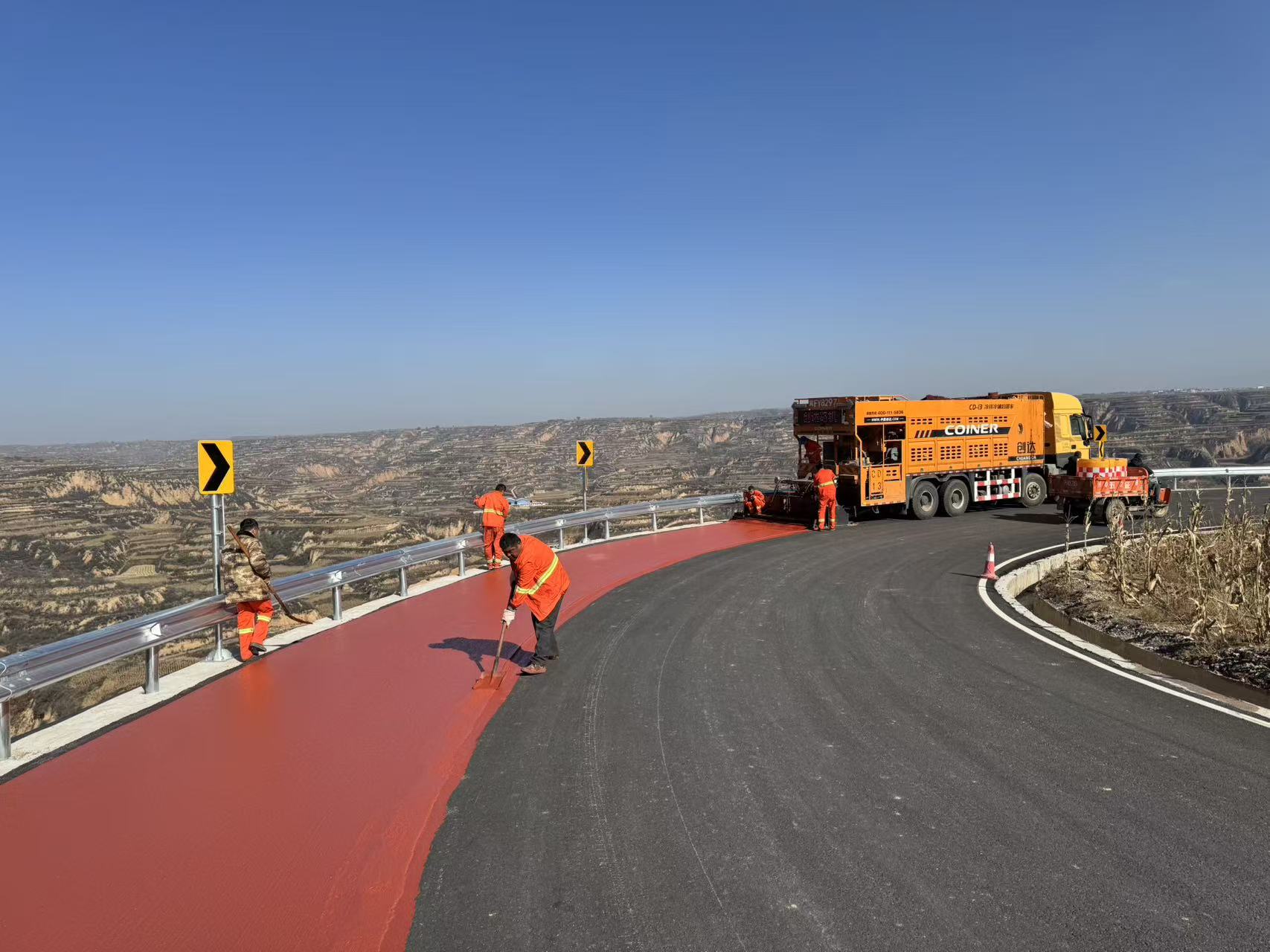
Colored micro surfacing is highly versatile and can be applied in various transportation and public infrastructure environments, including:
Urban arterial roads
Bicycle lanes and cycling corridors
Bus rapid transit lanes
Parking lots and commercial zones
Residential streets
Airport service roads
Industrial access roads
Its adaptability makes it a preferred solution for municipal maintenance programs.
Modern colored micro surfacing systems support sustainable infrastructure development by reducing material consumption and extending pavement life cycles.
Environmental advantages include:
Reduced raw material usage
Lower carbon footprint compared to reconstruction
Water-based emulsion systems with low emissions
Recycling compatibility with existing pavement layers
Less construction waste generation
These features align with green city and sustainable transport initiatives.
Despite being a thin surface treatment, colored micro surfacing provides strong durability under moderate to heavy traffic conditions.
Performance characteristics include:
High abrasion resistance
Good adhesion to existing pavement
Resistance to rutting and deformation
Stable performance under temperature variation
Long-lasting surface texture
This ensures consistent performance over time with minimal maintenance.
As cities adopt smarter and more sustainable road management strategies, colored micro surfacing technology continues to evolve.
Future trends include:
Improved polymer-modified emulsions for longer lifespan
Enhanced color stability and UV resistance
Integration with smart road monitoring systems
Faster curing eco-friendly formulations
Higher friction performance for safety-critical zones
Colored micro surfacing is an efficient, cost-effective, and sustainable solution for modern road maintenance. By combining pavement preservation, skid resistance improvement, and visual traffic guidance, it plays an important role in extending road life and improving urban safety.
As cities continue to expand and prioritize smart infrastructure, colored micro surfacing will remain a key technology for maintaining safer, more durable, and more visually organized transportation networks.