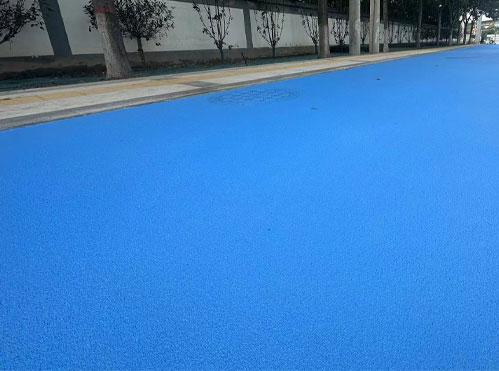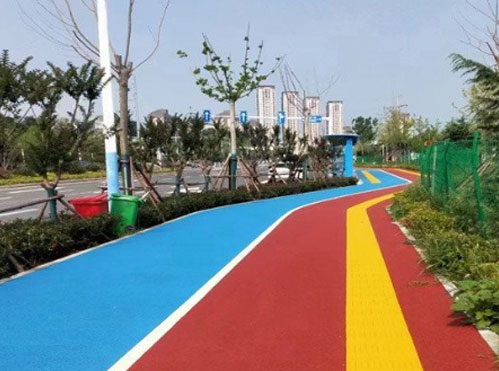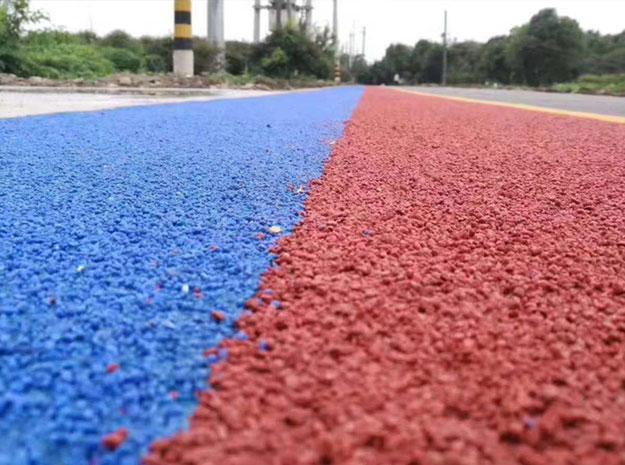
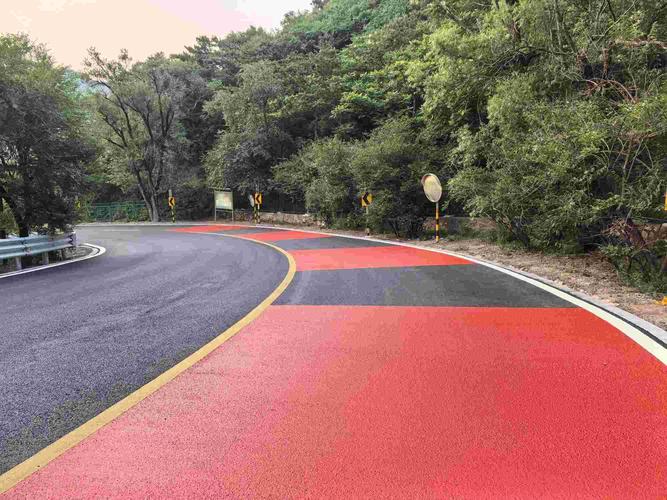
Colored pavements are specially engineered road and ground surface systems that combine functional pavement materials with durable pigments or colored aggregates. Unlike ordinary black asphalt or gray concrete, colored pavements provide enhanced visibility, improved traffic guidance, and decorative urban aesthetics while maintaining excellent mechanical performance.
These pavements are widely used in bicycle lanes, pedestrian walkways, bus lanes, parking lots, intersections, tunnels, school zones, and landscape roads. Common systems include colored asphalt, colored anti-skid surfacing, MMA resin pavements, epoxy-based coatings, ceramic aggregate surfaces, and water-based SP pavement systems.
Several types of colored pavement technologies are commonly used in modern infrastructure projects:
Colored asphalt pavement
Colored anti-skid surfacing
Colored ceramic aggregate pavement
MMA colored pavement systems
Epoxy resin colored coatings
Water-based SP colored pavement
Colored micro-surfacing systems
Each system is selected according to traffic volume, climate conditions, skid resistance requirements, and project budget.
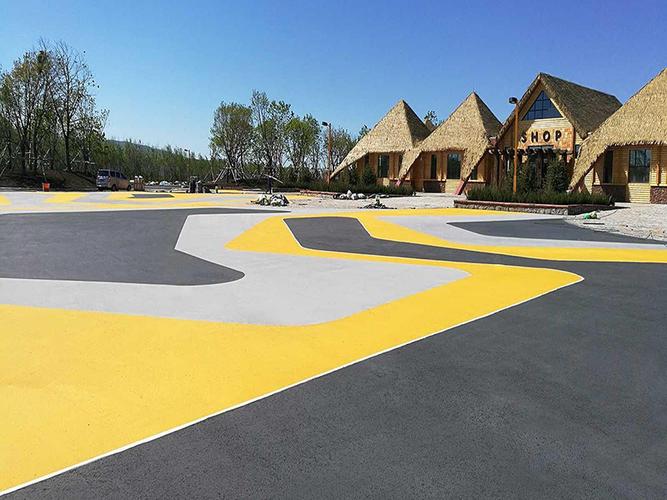
One of the biggest advantages of colored pavements is enhanced traffic safety. Bright surface colors help drivers, cyclists, and pedestrians quickly identify different traffic zones and potential hazards.
Red, green, blue, or yellow pavements are often used to:
Separate bike lanes from vehicle lanes
Highlight pedestrian crossings
Mark bus-only lanes
Warn drivers near schools and intersections
Colored anti-skid surfaces also improve tire grip, especially during rainy conditions, reducing the risk of skidding and accidents.
Many colored pavement systems incorporate high-friction aggregates such as calcined bauxite or ceramic particles. These materials create a rough surface texture that significantly improves skid resistance.
High-friction colored surfacing is especially effective for:
Sharp curves
Steep ramps
Highway exits
Toll plazas
Urban intersections
The combination of color warning and friction enhancement greatly improves driving stability and braking performance.
Modern colored pavements are designed to resist:
UV aging
Rainwater erosion
Freeze-thaw cycles
High temperatures
Heavy traffic wear
Advanced resin systems and inorganic pigments help maintain long-term color stability without significant fading. This ensures the pavement remains visually effective and structurally durable for years.
Colored pavements are increasingly used in smart city and landscape infrastructure projects because they improve the visual appearance of public spaces.
Cities use decorative colored pavements in:
Parks
Tourist attractions
Commercial plazas
Waterfront walkways
Residential communities
Customized colors and patterns help create modern urban environments while improving functionality.
Different pavement colors can effectively organize traffic flow and reduce driver confusion. Clear visual separation improves transportation efficiency and supports intelligent urban traffic management.
For example:
Red surfaces indicate bus lanes
Green surfaces designate bicycle lanes
Blue pavements highlight special parking zones
This visual guidance system improves road discipline and reduces lane conflicts.
Many colored pavement systems offer rapid curing and easy installation. Materials such as MMA resin surfacing can reopen to traffic within a few hours after application.
Compared with full pavement reconstruction, colored surface treatments provide:
Lower maintenance costs
Faster construction times
Minimal traffic disruption
Longer service life
This makes them a cost-effective solution for urban road upgrades and preventive maintenance projects.
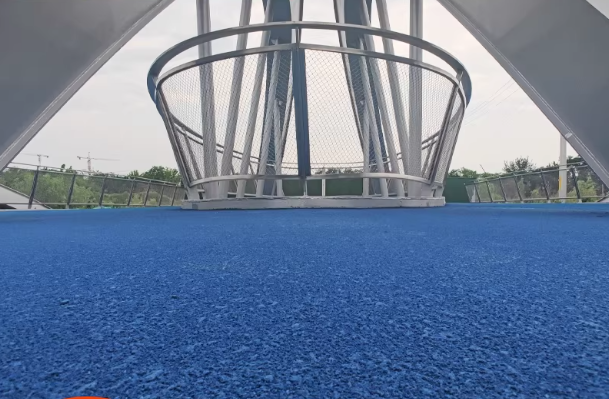
Colored pavements are widely applied in:
Bicycle lanes
Crosswalks
Bus rapid transit lanes
Parking areas
School safety zones
Bridge decks
Pedestrian streets
Industrial parks
Scenic roads
Airport pavement markings
Their combination of safety, durability, and aesthetics makes them an essential part of modern transportation infrastructure.
Colored pavements are more than decorative road surfaces. They combine safety enhancement, anti-skid functionality, traffic organization, and urban beautification into one integrated pavement solution.
As cities continue to prioritize smart transportation, sustainable infrastructure, and pedestrian safety, colored pavement technologies are becoming increasingly important in modern road engineering projects worldwide.