Colored anti-slip pavement is widely used in modern urban infrastructure to improve road safety, traffic guidance, and visual appearance. It combines high-friction aggregates with durable colored binders to create a surface that enhances skid resistance while providing clear traffic separation for drivers, cyclists, and pedestrians.
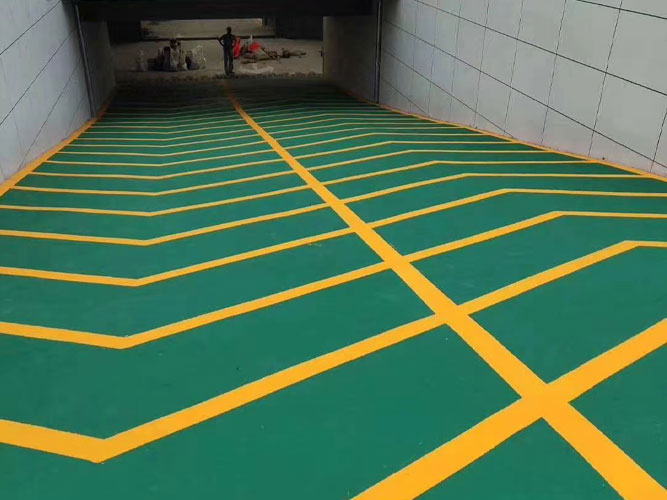
This type of pavement is commonly applied on bicycle lanes, bus lanes, pedestrian crossings, parking areas, ramps, tunnels, and intersections where safety and visibility are especially important.
Colored anti-slip pavement is a protective road surface system made from high-strength resin materials and anti-skid aggregates. The surface is designed to increase friction between tires and the pavement, helping reduce braking distance and minimizing the risk of skidding.
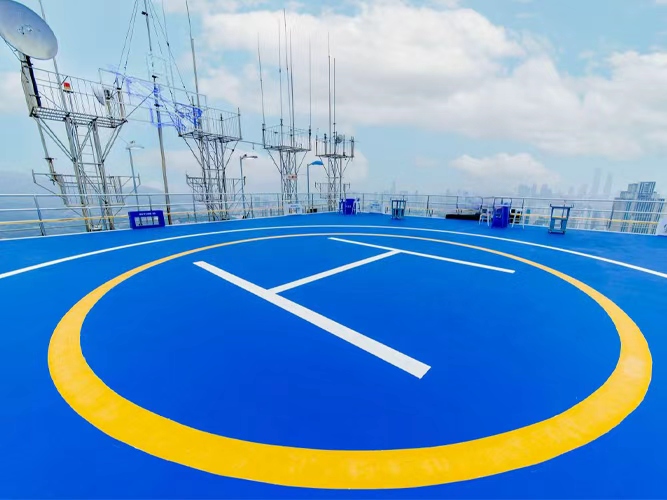
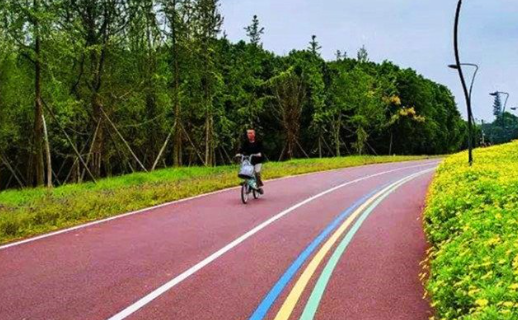
Different colors can also be used to identify traffic zones and improve road organization. Red, green, blue, and yellow are the most common colors used in urban transportation projects.
The high-friction surface provides excellent skid resistance in both dry and wet weather conditions. This helps vehicles maintain better traction during braking and turning, especially in high-risk areas such as curves, intersections, and downhill ramps.
Bright pavement colors improve visibility and clearly define different traffic areas. Colored lanes help guide drivers, cyclists, and pedestrians safely while reducing traffic confusion.
Colored anti-slip pavement systems are designed for long-term durability under heavy traffic conditions. High-quality resin materials and ceramic aggregates provide excellent resistance to abrasion, UV exposure, and weathering.
Many colored pavement systems feature quick curing times, allowing roads to reopen to traffic rapidly after installation. Maintenance is also relatively simple compared with traditional paving methods.
Water-based and low-VOC pavement materials are becoming increasingly popular for sustainable urban construction projects. These eco-friendly systems reduce environmental impact while maintaining strong performance.
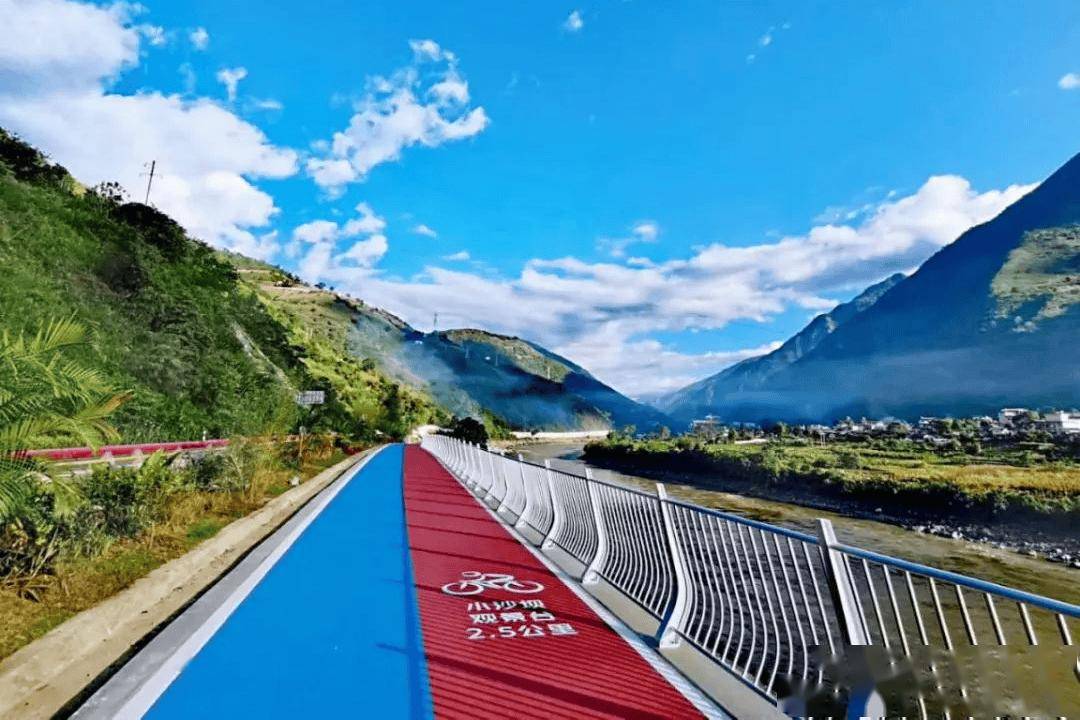
Colored anti-slip pavement can be applied in many transportation and public infrastructure projects, including:
Bicycle lanes
Bus rapid transit lanes
Crosswalks and pedestrian zones
Parking lots and garages
School safety zones
Highway exits and ramps
Tunnels and bridge decks
Industrial parks and logistics centers
Several material systems are commonly used depending on project requirements:
MMA resin systems for fast curing and high durability
Epoxy-based coatings for strong adhesion
Water-based SP systems for eco-friendly applications
Colored ceramic aggregates for enhanced wear resistance
High-friction bauxite aggregates for maximum skid resistance
Each material type offers different advantages in terms of curing speed, flexibility, weather resistance, and cost efficiency.
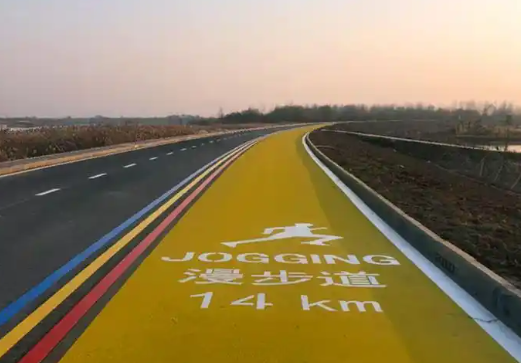
As smart city construction continues to expand, demand for durable and visually effective road surfacing solutions is increasing worldwide. Colored anti-slip pavement is expected to play an important role in improving traffic safety, supporting sustainable transportation, and enhancing urban road design.
Advanced technologies such as low-noise surfaces, high-performance resin binders, and environmentally friendly coatings are helping the industry move toward safer and more sustainable pavement solutions.
Colored anti-slip pavement is an effective solution for improving road safety, traffic management, and urban aesthetics. With its excellent skid resistance, durability, and visual guidance benefits, it has become an essential part of modern transportation infrastructure.
Cities and contractors increasingly choose colored anti-slip pavement systems to create safer, more efficient, and environmentally friendly roads for both vehicles and pedestrians.