Wide Application of Color Emulsified Micro-surfacing in Modern Pavement
Color emulsified micro-surfacing has become an important pavement technology in modern infrastructure due to its combination of safety performance, surface durability, and visual enhancement. It is widely used in both urban and specialized road environments where traditional asphalt treatments cannot fully meet functional and aesthetic requirements.
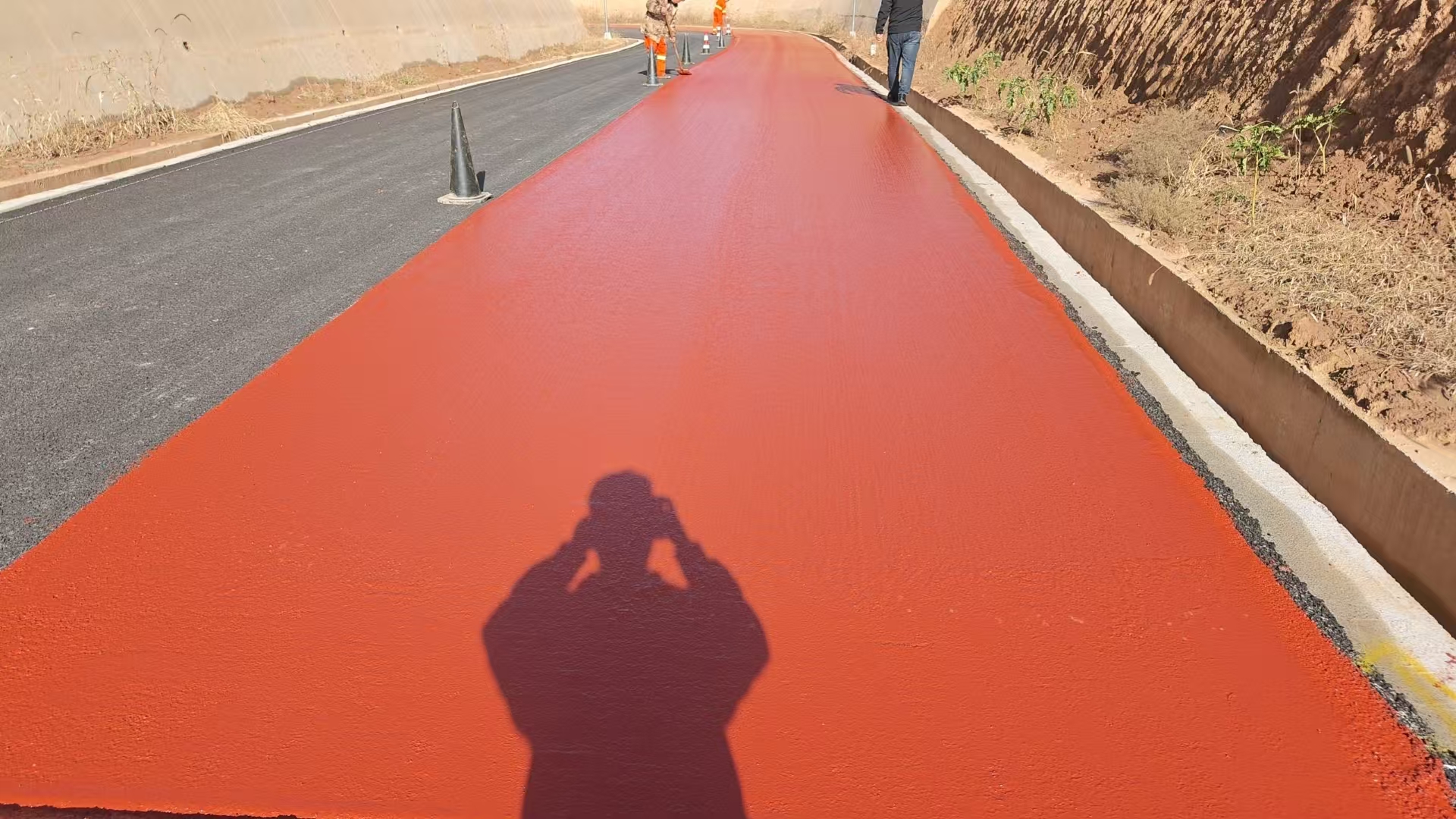
At its core, this technology is based on modified emulsified asphalt mixed with graded aggregates, mineral fillers, water, and color pigments. After application, the mixture rapidly breaks and cures, forming a thin, dense, and highly bonded surface layer. This micro-textured structure improves skid resistance while allowing flexible color customization for different road functions.
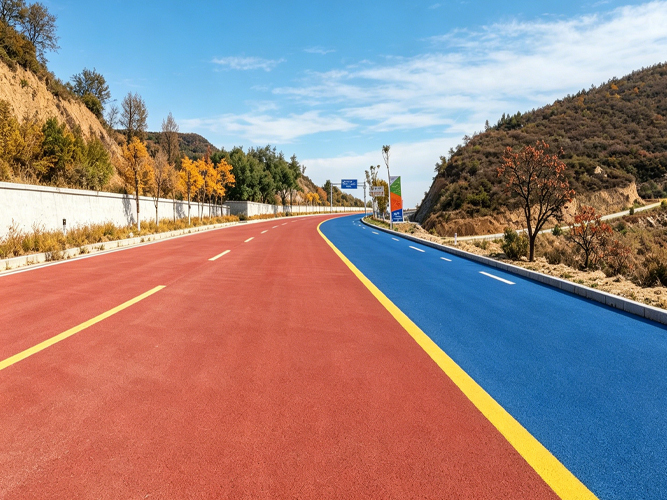
One of the most common applications is urban traffic roads. In cities, color emulsified micro-surfacing is used to upgrade intersections, bus lanes, and bicycle lanes. The improved surface friction reduces slipping risks, especially in wet conditions, while color zoning helps organize complex traffic flows more clearly. This enhances both safety and efficiency in high-density environments.
It is also widely used in bicycle and pedestrian infrastructure. Colored cycling lanes and walkways benefit from increased visibility and anti-slip performance, making them safer and more attractive for non-motorized users. This supports modern urban goals of promoting green transportation and reducing vehicle congestion.
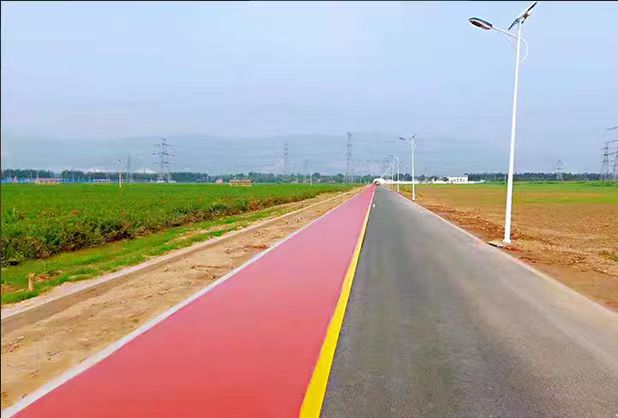
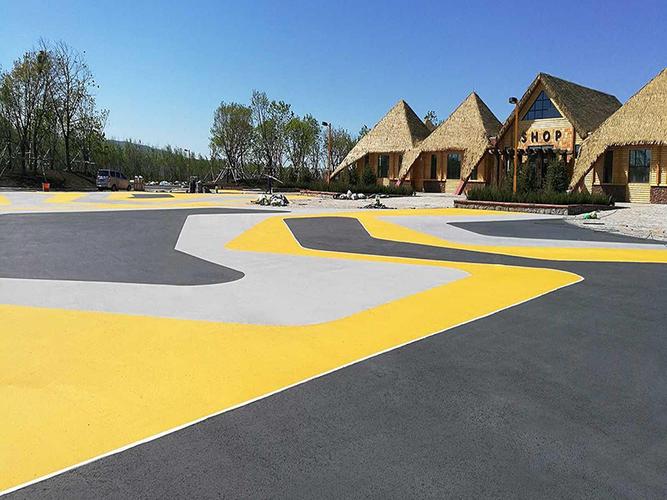
In scenic areas, parks, and recreational zones, color emulsified micro-surfacing plays a key role in landscape integration. Natural color tones can be selected to blend with surrounding environments while still providing a durable and safe walking or driving surface. This improves visitor experience without compromising functional performance.
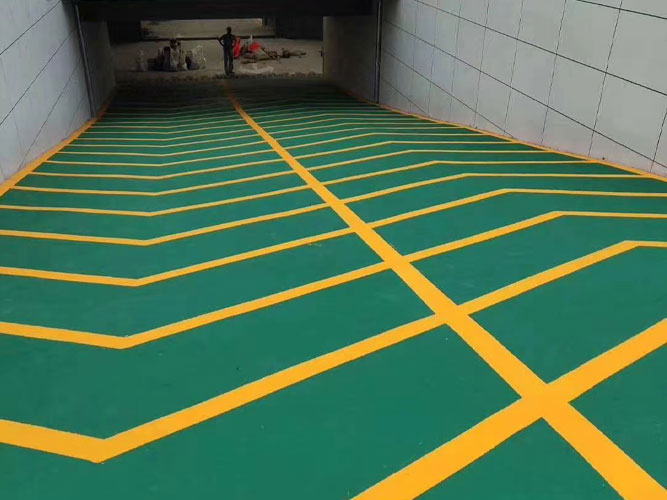
Another important application is parking lots and commercial spaces. The system helps clearly define parking bays, driving lanes, and pedestrian zones through color differentiation. At the same time, it protects the pavement from wear, oil penetration, and weathering, extending service life and reducing maintenance costs.
Industrial parks and logistics areas also benefit from this technology. Heavy vehicle traffic requires surfaces with good friction and durability. Color emulsified micro-surfacing provides a cost-effective way to maintain safe operation conditions while improving traffic organization in large-scale facilities.
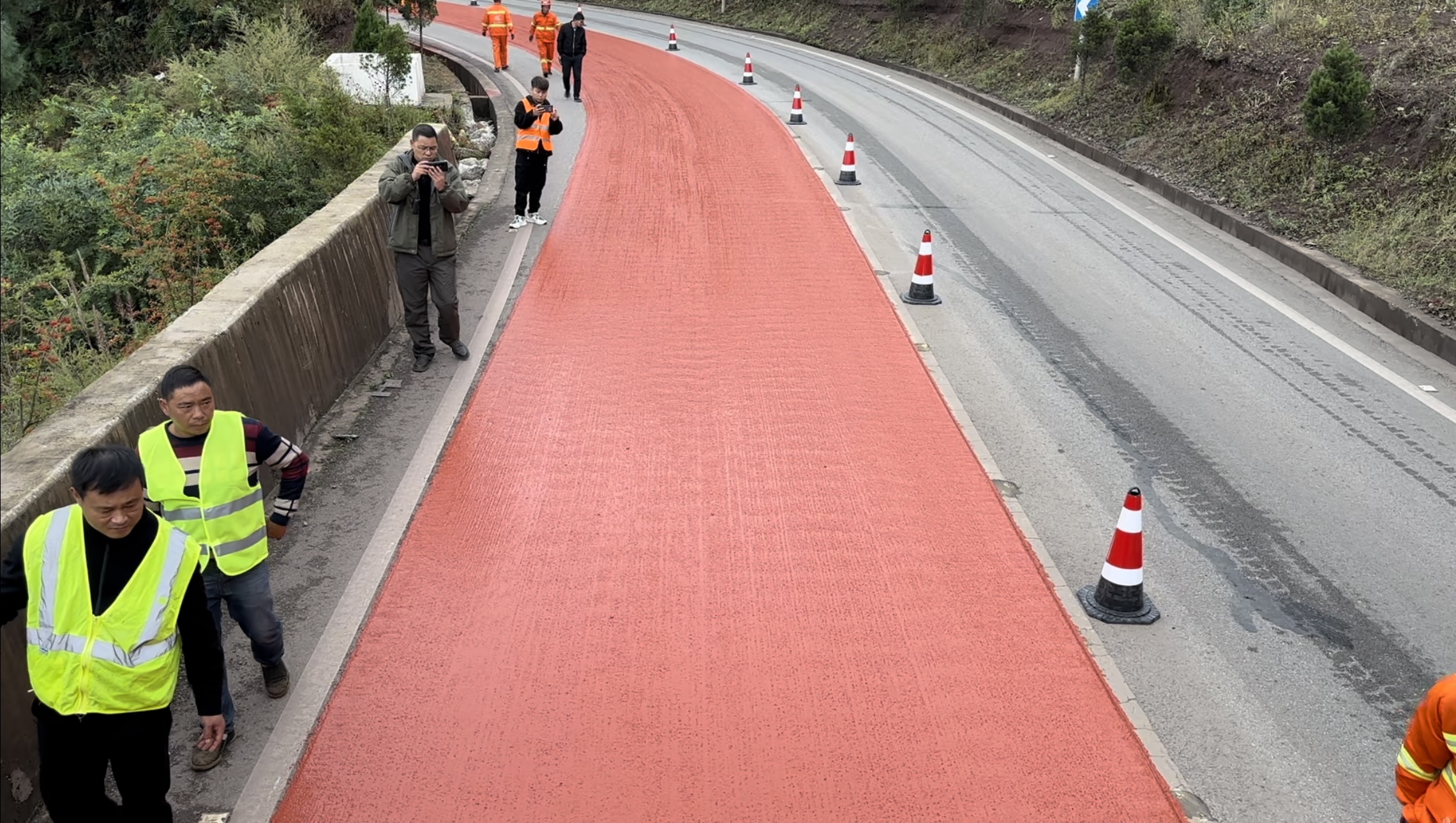
From a construction perspective, the system is efficient and suitable for large-area applications. It can be applied over existing pavement with minimal disruption, making it ideal for maintenance and rehabilitation projects where traffic closure time must be limited.
In conclusion, the wide application of color emulsified micro-surfacing in modern pavement reflects its versatility and performance advantages. By combining skid resistance, durability, and visual functionality, it has become a practical solution for improving road safety and enhancing urban infrastructure across multiple environments.