Colored anti-slip pavement is an advanced surfacing system that combines high-friction safety performance with distinctive visual color guidance. It is widely used in urban roads, intersections, bicycle lanes, ramps, crosswalks, and commercial areas. It not only improves road appearance but also significantly enhances traffic safety and organization.
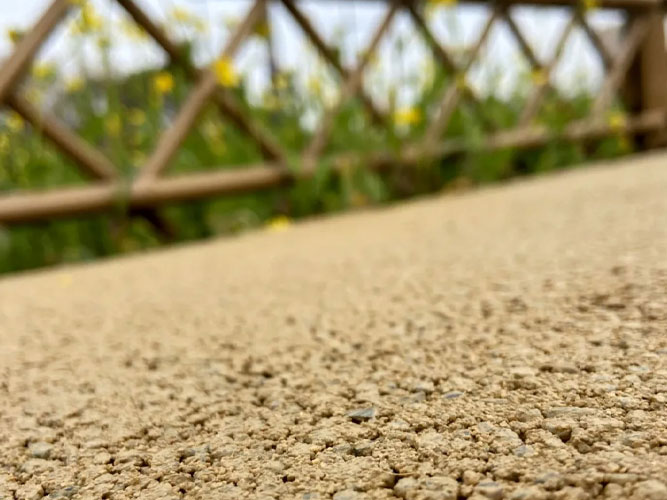
The main function of colored anti-slip pavement is its excellent skid resistance. With high-quality aggregates and durable binders, it increases surface friction and improves driving stability.
It helps reduce vehicle skidding on wet or oily roads, shortens braking distance during emergencies, and improves safety on curves, slopes, and intersections.
Color plays an important role in traffic communication. Colored pavement provides immediate visual cues for road users and improves reaction time.
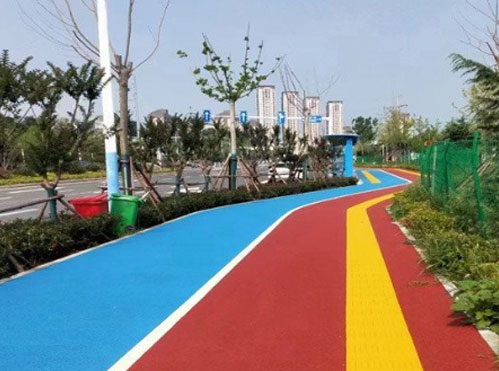
Different colors are often used for specific purposes, such as red for warning or bus lanes, green for bicycle lanes, and yellow for caution or transition zones. This improves awareness and reduces traffic risks.
By clearly separating different functional zones, colored anti-slip pavement helps organize traffic flow more efficiently.
It reduces confusion in complex road environments, clearly defines vehicle, bicycle, and pedestrian spaces, and helps improve overall traffic discipline in urban areas.
The non-slip textured surface is especially beneficial for vulnerable road users.
It provides safer walking conditions in rainy weather, improves bicycle stability on turns and slopes, and enhances visibility and safety at crosswalks, schools, and public areas.
Modern systems use advanced materials such as epoxy resin, MMA resin, or water-based coatings, which offer strong performance in various environments.
They resist UV fading, maintain color stability over time, and perform well under heavy traffic and harsh weather conditions including rain, heat, and freeze-thaw cycles.

Colored anti-slip pavement can be installed quickly with minimal disruption to traffic.
It has fast curing times, especially MMA systems, can be applied on existing asphalt or concrete surfaces, and allows for easy repair or resurfacing when needed.
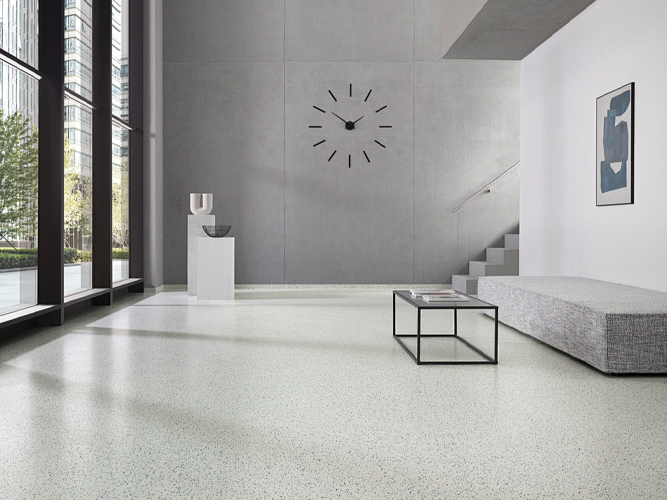
In addition to functional benefits, colored pavement enhances the visual quality of urban spaces.
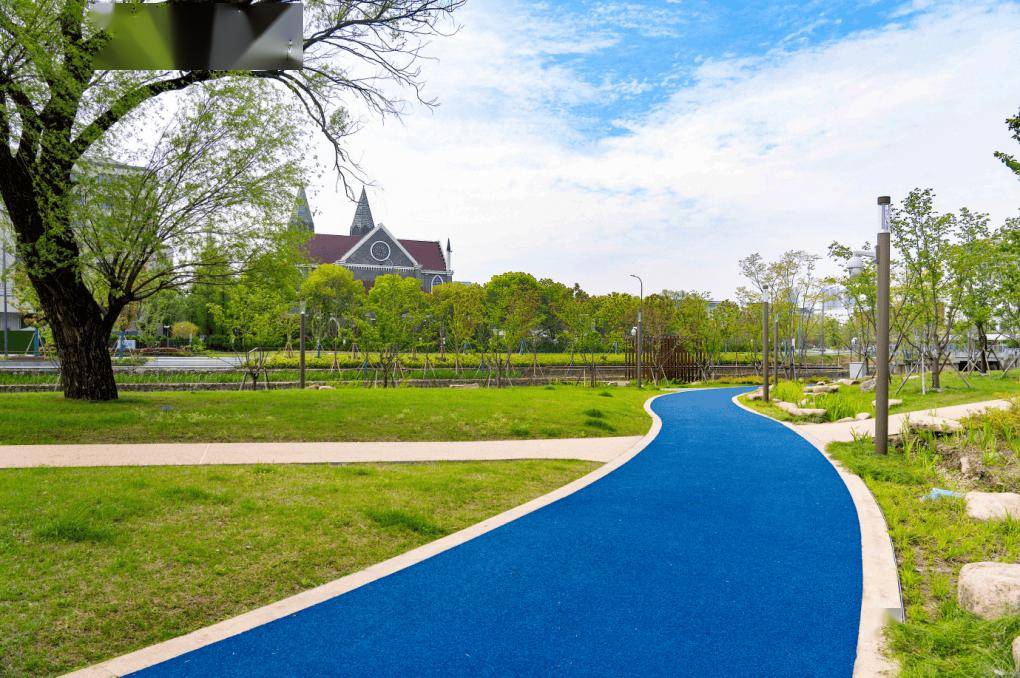
It improves streetscape design, supports smart city planning, and creates more attractive pedestrian-friendly environments in plazas, parks, and commercial districts.

Many modern colored pavement systems use environmentally friendly materials.
Water-based coatings with low VOC emissions reduce environmental impact, and longer service life helps reduce material waste over time.
Although initial investment may be higher than traditional road markings, it offers better long-term value.
It reduces maintenance frequency, lowers repainting costs, and helps prevent accidents, which reduces overall economic loss.
Colored anti-slip pavement is not only a decorative surface treatment but also a comprehensive safety system. By combining high friction performance, visual guidance, durability, and environmental benefits, it plays an important role in modern transportation infrastructure and smart city development.