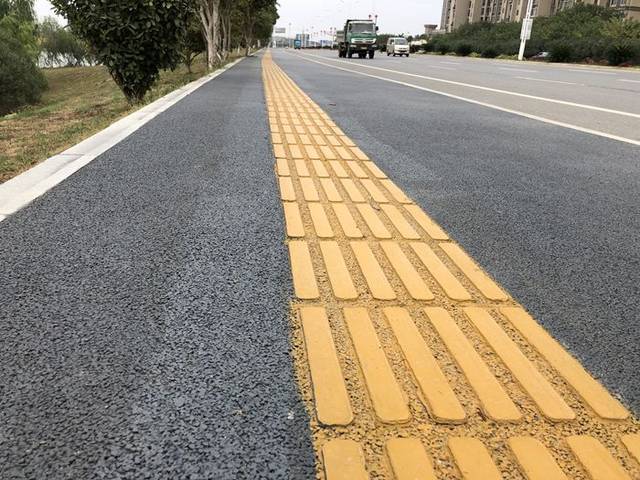
Modern tactile guidance systems play a crucial role in creating safer, more inclusive pedestrian environments. Designed primarily for visually impaired individuals, these systems provide physical and sensory cues that help guide safe movement through sidewalks, crossings, transit stations, and public spaces.
As cities move toward universal accessibility standards, tactile paving has become a core component of pedestrian infrastructure, improving navigation, reducing accident risks, and supporting independent mobility.
Tactile guidance systems are specially designed ground surface indicators installed on pedestrian pathways. They use raised patterns and textured surfaces to communicate important information through foot contact or cane detection.
These systems typically include:
Directional guiding strips
Warning tiles with raised dots
Hazard indication surfaces
Platform edge warnings
Crossing alignment indicators
They are widely used in compliance with accessibility standards such as the Americans with Disabilities Act (ADA) and similar international guidelines.
Tactile surfaces provide clear directional feedback, helping visually impaired pedestrians:
Follow safe walking routes
Identify intersections and crossings
Detect platform edges or drop-offs
Recognize changes in walking environments
This improves independence and confidence in urban mobility.
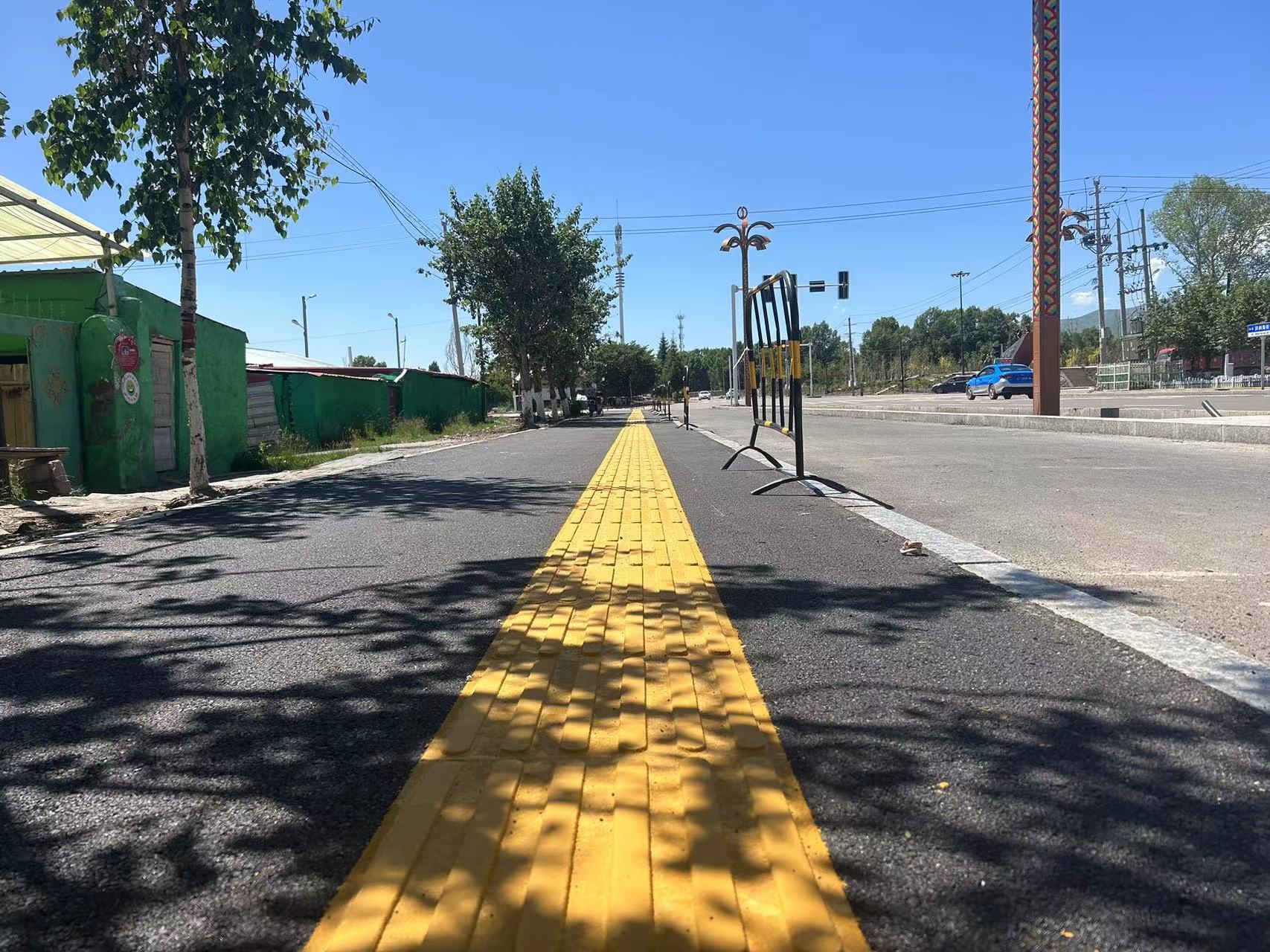
Warning tactile tiles alert pedestrians to potential dangers such as:
Road crossings
Staircases
Platform edges
Construction zones
Sudden elevation changes
The raised dot patterns serve as a physical warning signal that can be detected immediately underfoot or with a cane.
Tactile guidance systems help structure pedestrian flow in complex environments such as:
Train stations
Bus terminals
Airports
Commercial districts
Large public plazas
By guiding movement patterns, they reduce confusion and congestion in high-traffic pedestrian areas.
Directional tiles feature linear raised bars that indicate safe walking paths. They are commonly installed in:
Sidewalk corridors
Transit hubs
Indoor public buildings
Pedestrian bridges
These tiles help users maintain a consistent walking direction.
Warning tiles use a pattern of raised domes to indicate caution zones. They are typically placed at:
Road crossings
Platform edges
Stair entries
Elevator exits
They signal pedestrians to stop, slow down, or proceed carefully.

Modern infrastructure often integrates both directional and warning tiles to create continuous navigation pathways from origin to destination.
Cast-in-place systems provide strong durability and are commonly used in long-term infrastructure projects such as sidewalks and transit stations.
Advanced resin-based materials offer:
High durability
Slip resistance
Color contrast options
Easy installation and replacement
These systems are widely used in modern urban redevelopment projects.
Ceramic tactile paving provides excellent wear resistance and long-lasting visibility, especially in high-traffic pedestrian zones.
Modern urban design often combines tactile guidance systems with colored anti-slip pavement to enhance both accessibility and safety.
For example:
Bright colored bicycle lanes paired with tactile crossings
High-friction pedestrian zones with warning tactile indicators
Bus platforms with directional tactile guidance and colored demarcation
This integration improves both visual and physical navigation cues for all users.
Tactile guidance systems are widely used in:
Sidewalks and pedestrian walkways
Street crossings and intersections
Train and subway stations
Bus terminals and stops
Airport passenger routes
Shopping districts and plazas
Schools and hospitals
Parking facility walkways
These applications ensure safe navigation in both indoor and outdoor environments.
Modern cities are increasingly prioritizing accessibility and universal design. Tactile guidance systems contribute to this goal by:
Supporting inclusive mobility
Reducing pedestrian accidents
Enhancing independent travel
Improving public infrastructure usability
Meeting accessibility regulations and standards
They are a key element of smart city development strategies focused on human-centered design.
The future of tactile paving systems is evolving toward smarter, more durable, and more integrated solutions. Innovations include:
Photoluminescent tactile materials for nighttime visibility
Smart tactile surfaces with embedded sensors
Modular systems for faster maintenance
Eco-friendly recycled material compositions
Enhanced durability for extreme climates
As urban populations grow, tactile guidance systems will continue to play an essential role in building safer, more accessible pedestrian environments worldwide.