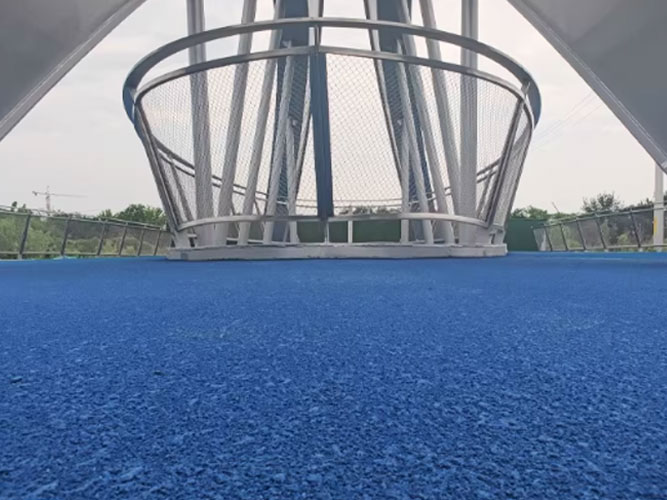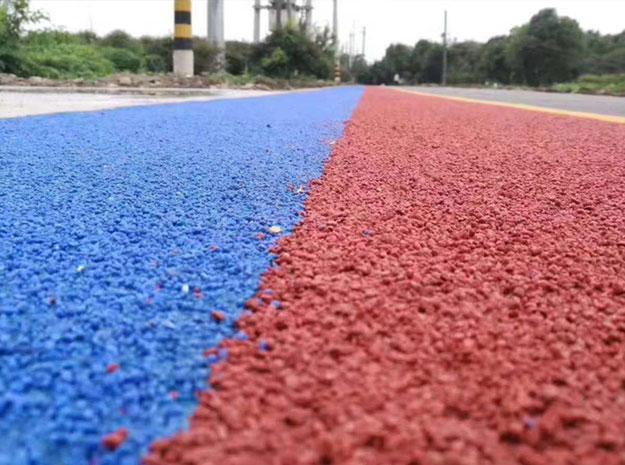
With the rapid growth of sustainable transportation, cities around the world are investing in safer and more efficient bicycle networks. Creating dedicated cycling infrastructure requires more than simply marking bike lanes; it requires pavement solutions that provide excellent traction, clear visibility, and long-term durability. Road anti-skid materials have become an important technology for improving bicycle lane safety and supporting modern urban mobility development.
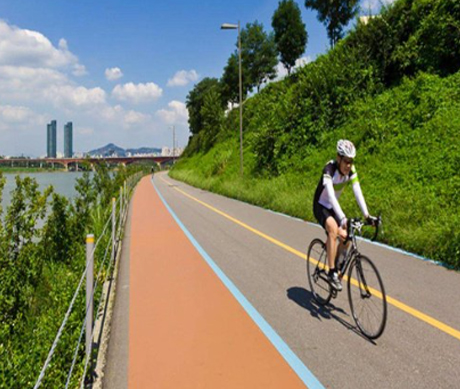
Cyclists are more vulnerable to slippery road conditions compared with motor vehicles. Rain, surface contamination, and worn pavement can significantly increase the risk of slipping, especially when braking, turning, or riding at intersections.
Road anti-skid materials create a high-friction surface layer that improves bicycle tire grip and provides better riding stability. The enhanced surface texture helps cyclists maintain control in challenging conditions, making bike routes safer for daily commuting and recreational use.
Colored anti-skid pavement systems combine safety performance with visual guidance. By using distinctive colors, cities can clearly separate bicycle lanes from vehicle traffic areas and improve awareness among all road users.
Common applications include:
Dedicated bicycle lanes
Shared cycling and pedestrian paths
Intersection conflict zones
Bicycle crossing areas
Greenway and urban trail systems
Bright and highly visible surfaces help drivers recognize cycling areas more quickly, reducing conflicts between bicycles and vehicles.
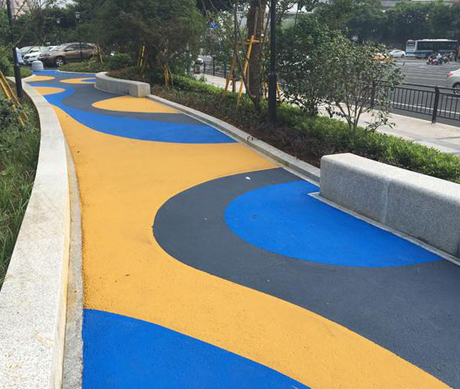
Urban bicycle networks require pavement materials that can withstand frequent use, weather exposure, and continuous maintenance cycles. High-quality anti-skid materials are designed to maintain friction performance and appearance over time.
Key advantages include:
Excellent skid resistance in wet conditions
Strong adhesion to asphalt and concrete surfaces
Resistance to UV exposure and weather changes
Long-lasting color retention
Low maintenance requirements
These features make anti-skid surfacing suitable for both new bicycle infrastructure projects and existing road upgrades.
Bicycle infrastructure is a key element of sustainable city development. Safe and comfortable cycling routes encourage more people to choose bicycles for commuting, reducing traffic congestion and supporting lower-carbon transportation systems.
By improving surface safety and creating clearly identified cycling spaces, anti-skid surfacing materials help cities develop more accessible and environmentally friendly mobility networks.
As urban planners focus on smart transportation and safer streets, road anti-skid materials are increasingly used in bicycle network development projects. They provide a practical combination of safety, durability, and visual appeal for:
Municipal cycling corridors
Urban renewal projects
Public parks and recreational pathways
University and campus cycling routes
Residential community roads
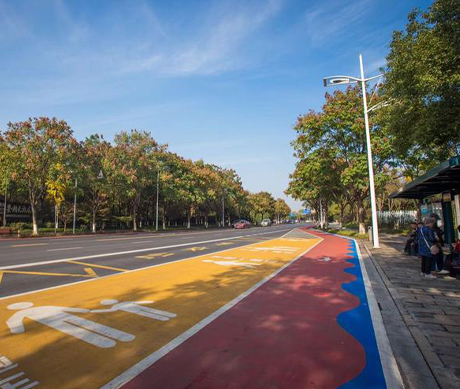
The future of urban transportation depends on infrastructure that protects all road users. Road anti-skid materials provide an effective solution for developing safer bicycle networks by improving friction, increasing visibility, and enhancing pavement performance.
For municipalities, contractors, and infrastructure developers, colored anti-skid bicycle lane systems offer a reliable way to create safer, more attractive, and more sustainable urban environments.