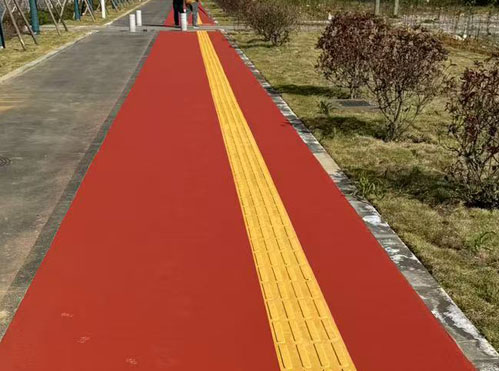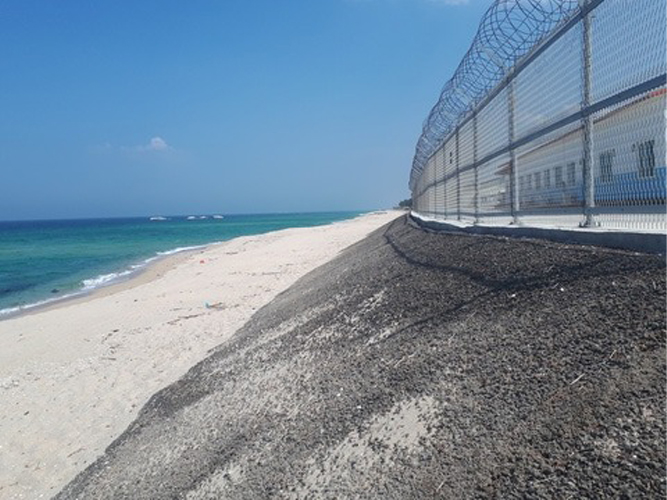
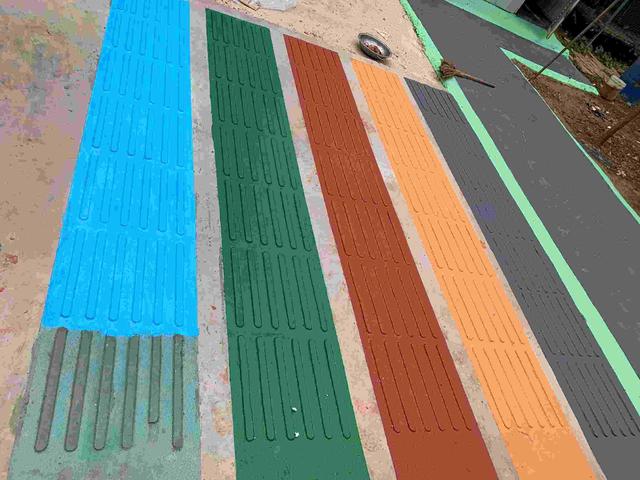
Factory supply cast-in-place tactile guidance systems are prefabricated or pre-engineered materials designed for on-site installation of durable pedestrian navigation surfaces. These systems combine industrial manufacturing precision with flexible on-site application, making them a reliable solution for large-scale public infrastructure, transportation hubs, and urban accessibility projects.
Unlike fully customized handmade systems, factory supply solutions ensure consistent quality, faster deployment, and cost efficiency while still allowing integration into diverse pedestrian environments.
Cast-in-place tactile guidance systems are surface-applied accessibility features formed directly on concrete or asphalt substrates using molds, templates, or guided installation tools. Factory-supplied systems typically include:
Pre-designed tactile molds or templates
Resin or polymer-based materials
High-strength cementitious compounds
Anti-slip aggregates
Installation kits and layout guides
These components are engineered in factories to ensure uniform texture, dimensional accuracy, and compliance with accessibility standards.
Factory production ensures every tactile element meets strict specifications for:
Pattern height and spacing
Material strength
Color contrast performance
Slip resistance levels
This consistency is critical for public safety and regulatory compliance.
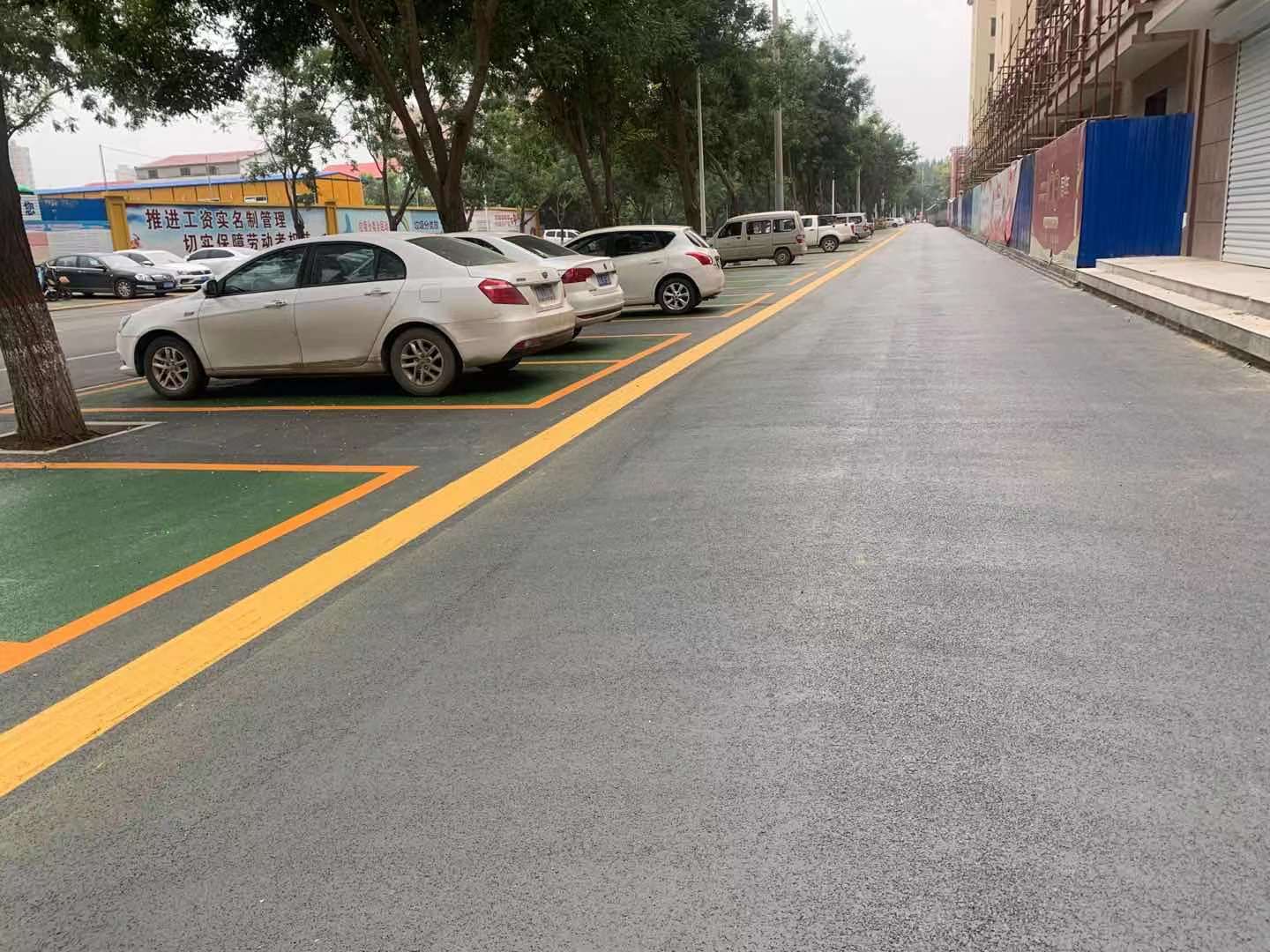
Because molds and materials are pre-engineered, installation teams can quickly deploy tactile surfaces without complex fabrication work on-site. This reduces:
Construction time
Labor costs
Traffic disruption
Project downtime
Factory supply systems are ideal for municipal-scale deployment because bulk production reduces unit costs while maintaining quality control.
High-performance factory materials such as epoxy, MMA resin, or polymer-modified composites provide:
High abrasion resistance
Weather durability
UV stability
Long service life under heavy pedestrian traffic
Reusable or single-use molds that define:
Directional bars
Warning domes
Hazard indicators
These ensure consistent tactile geometry across all installations.
Common factory-supplied binders include:
MMA (Methyl Methacrylate) resin
Epoxy resin systems
Polymer-modified cementitious mixtures
Each material is selected based on climate, traffic load, and installation speed requirements.
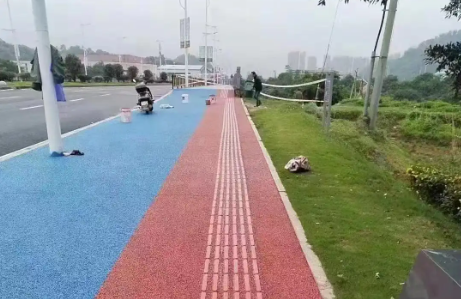
Hard mineral or ceramic particles are integrated into the surface to improve:
Friction resistance
Wet-weather safety
Long-term wear performance
Factory systems often include pre-formulated pigments to ensure:
ADA-compliant color contrast
UV-resistant fading protection
Long-term visibility for pedestrians
Factory supply cast-in-place tactile guidance systems are widely used in:
Urban sidewalks and pedestrian crossings
Metro and subway stations
Bus terminals and transit hubs
Airports and passenger corridors
Commercial plazas and shopping districts
Hospitals and school campuses
Bridges, ramps, and overpasses
These applications ensure safe navigation for visually impaired pedestrians and improve general walkway organization.
Municipal projects benefit from uniform tactile design standards, ensuring consistent pedestrian guidance across multiple locations.
Durable factory-engineered materials reduce the need for frequent repairs or replacements.
Systems are designed to align with international accessibility standards such as ADA and ISO guidelines.
Suitable for both new construction and retrofit projects on existing concrete or asphalt surfaces.
Factory supply systems typically follow a streamlined installation process:
Surface cleaning and preparation
Layout marking using factory templates
Application of bonding layer or resin
Placement of tactile molds or forming tools
Filling or casting of material
Surface finishing and curing
Quality inspection and alignment check
Fast-curing materials such as MMA allow rapid reopening of pedestrian routes.
These systems are often combined with:
Colored anti-slip pavement for safety zoning
High-friction crossings for intersections
Smart lighting systems for nighttime visibility
Wayfinding signage and digital navigation tools
This integrated approach improves both accessibility and urban mobility efficiency.
Factory supply tactile guidance systems are evolving toward:
Eco-friendly low-emission materials
Faster curing resin technologies
Modular installation systems
Enhanced wear-resistant composites
Smart tactile surfaces with embedded sensing capabilities
These innovations support the development of safer, smarter, and more inclusive cities.
Factory supply cast-in-place tactile guidance systems offer a practical, scalable, and cost-effective solution for improving pedestrian accessibility in modern infrastructure. With standardized production, strong durability, and efficient installation, they are becoming a key component of global urban mobility and inclusive design strategies.