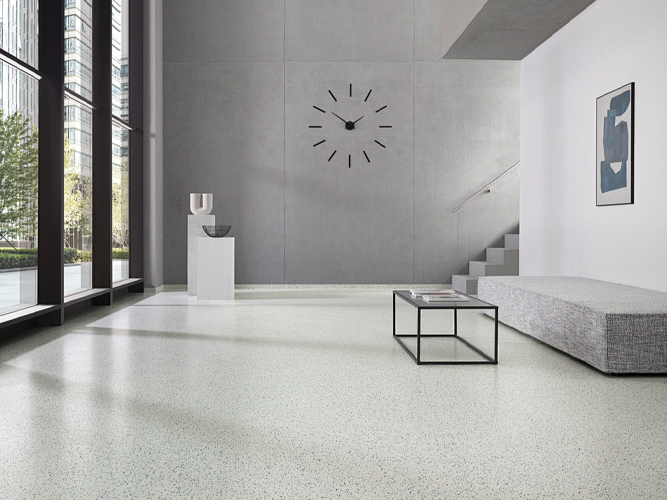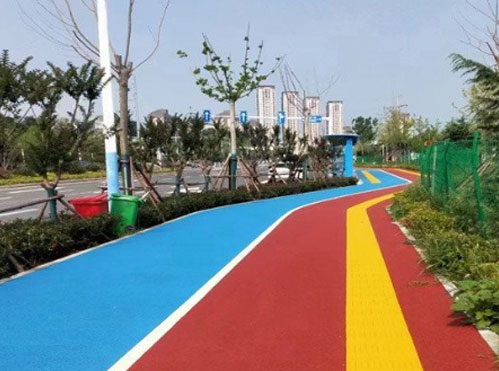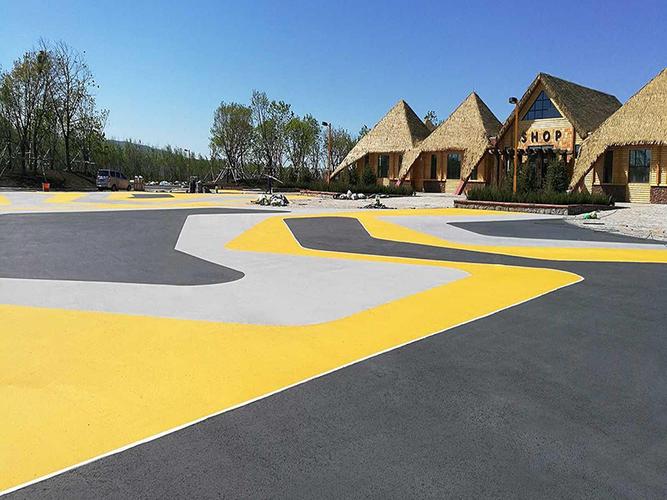
Modern infrastructure projects require pavement solutions that improve safety, durability, and functionality while supporting the development of smarter and more attractive urban environments. Coloured surfacing for infrastructure has become an increasingly popular choice for roads, transportation facilities, public spaces, and commercial developments due to its combination of high performance and visual benefits.
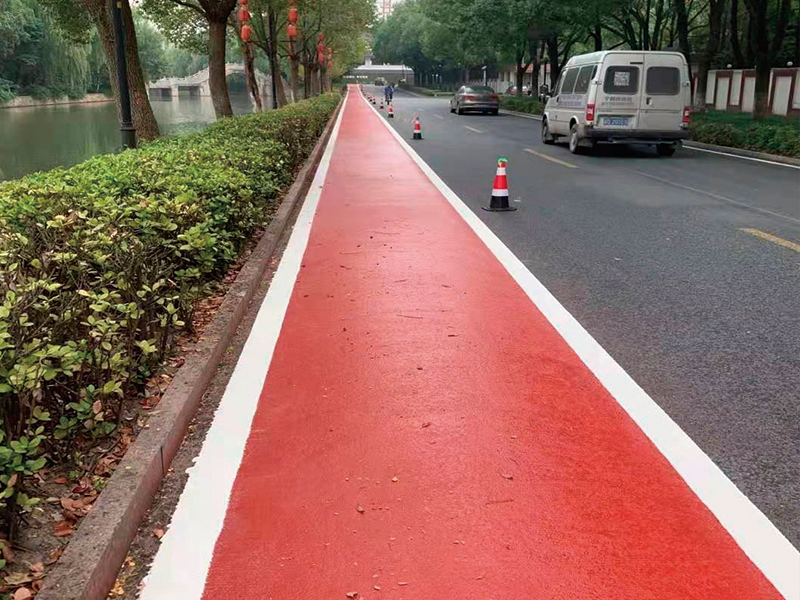
By integrating advanced pavement materials with durable color technology, coloured surfacing systems help infrastructure projects achieve better traffic management, improved safety, and long-lasting surface performance.
Coloured surfacing for infrastructure is a specialized pavement system designed to enhance asphalt and concrete surfaces through durable colored layers and high-friction materials.
These systems are engineered to provide:
High skid resistance
Excellent visibility
Strong surface bonding
Weather resistance
Long service life
Reduced maintenance requirements
Unlike traditional pavement surfaces, modern coloured surfacing provides both functional performance and aesthetic improvement.
Safety is one of the most important goals in infrastructure development. Coloured surfacing helps create clearly defined traffic zones and improves recognition for all road users.
Applications include:
Bus lanes
Bicycle lanes
Pedestrian crossings
Intersection safety zones
Traffic guidance areas
The use of highly visible colors helps drivers, cyclists, and pedestrians understand road layouts more easily.
Infrastructure surfaces must provide reliable performance under different weather and traffic conditions.
High-quality coloured surfacing systems incorporate anti-skid materials to improve:
Vehicle traction
Braking performance
Surface grip
Wet-weather safety
This makes them suitable for areas with high traffic volume or increased safety requirements.
Infrastructure projects require materials that can withstand long-term exposure and continuous usage.
Professional coloured surfacing solutions provide resistance against:
Heavy vehicle loads
UV radiation
Rain and moisture
Temperature changes
Surface abrasion
Their durability helps reduce repair frequency and lowers lifecycle maintenance costs.
Cities use coloured surfacing to improve traffic organization and enhance road safety.
Colored pavement supports intelligent traffic management by creating clear visual zones for different users.
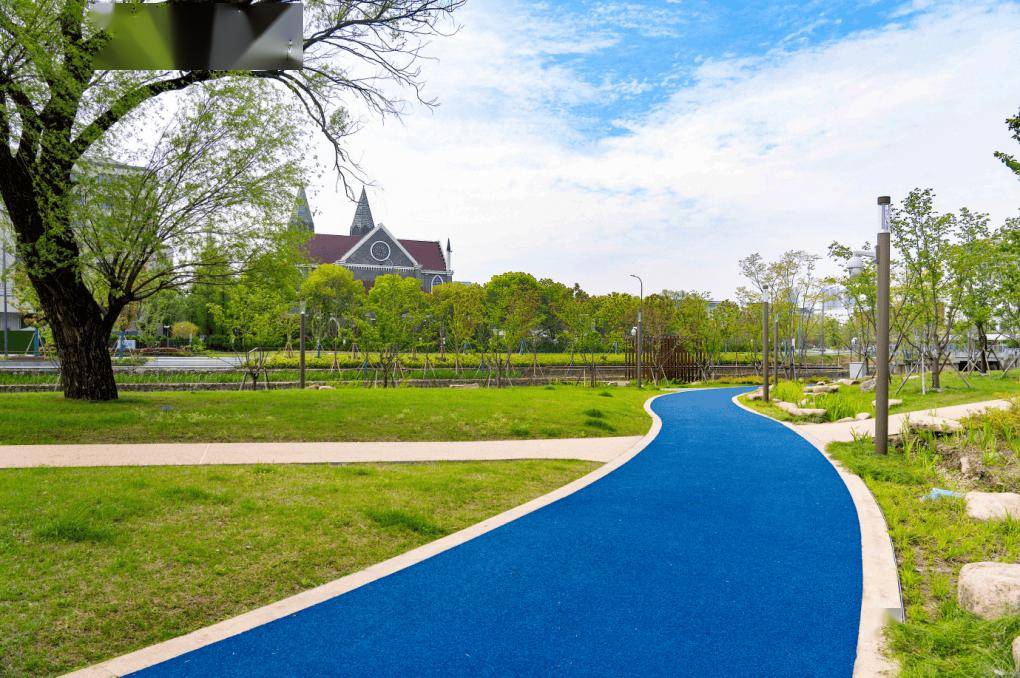
Dedicated colored pathways improve mobility safety and encourage sustainable transportation.
Bus lanes and transit corridors benefit from colored surfaces that improve visibility and traffic priority.
Durable colored surfaces can be used for service roads, access routes, and specialized traffic areas.
Warehouses, loading areas, and industrial parks require strong and visible pavement solutions for daily operations.
Infrastructure is no longer focused only on transportation efficiency. Modern cities also require attractive, user-friendly environments.
Coloured surfacing contributes to:
Better urban design
Improved public space appearance
Safer pedestrian environments
More organized traffic systems
By combining performance and design, coloured surfacing has become an important element of modern infrastructure planning.
For contractors and project developers, professional coloured surfacing systems offer:
Reliable material performance
Flexible application options
Faster project completion
Improved project appearance
Lower maintenance requirements
Long-term investment value
These advantages help contractors meet the increasing demands of modern infrastructure projects.
When selecting a coloured surfacing solution for infrastructure projects, several factors should be considered:
Heavy-duty areas require materials with excellent durability and friction performance.
The system should be compatible with asphalt, concrete, or existing pavement conditions.
Weather resistance is essential for long-term outdoor performance.
Color selection, safety standards, installation methods, and service life should match the project objectives.
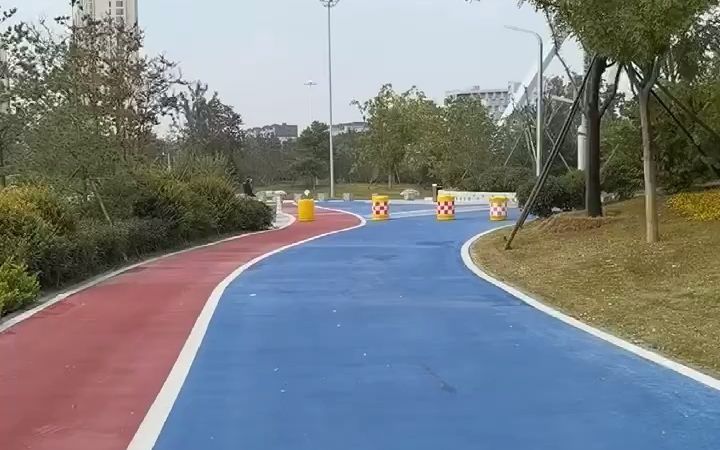
As cities continue to invest in safer transportation and smart city solutions, coloured surfacing technology will continue to evolve.
Future trends include:
More sustainable materials
Improved durability
Enhanced safety performance
Faster construction methods
Coloured surfacing will remain an important solution for creating safer, smarter, and more attractive infrastructure networks.
Coloured surfacing for infrastructure provides a complete solution for modern pavement challenges by combining safety, durability, visibility, and design flexibility. From urban roads and cycling networks to industrial facilities and transportation hubs, coloured surfacing systems help improve infrastructure performance and user experience.
With growing global demand for safer and more efficient transportation systems, coloured surfacing will continue to play a key role in the future of infrastructure development.