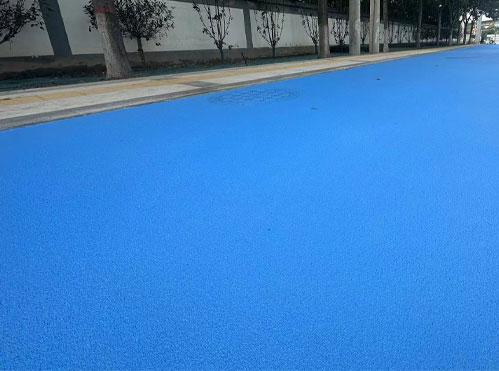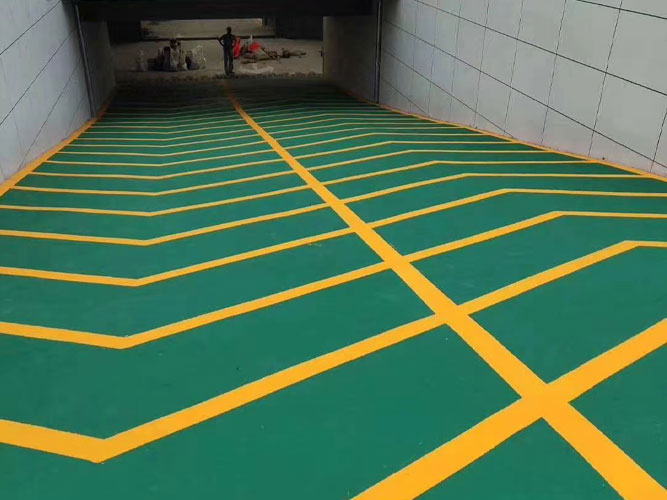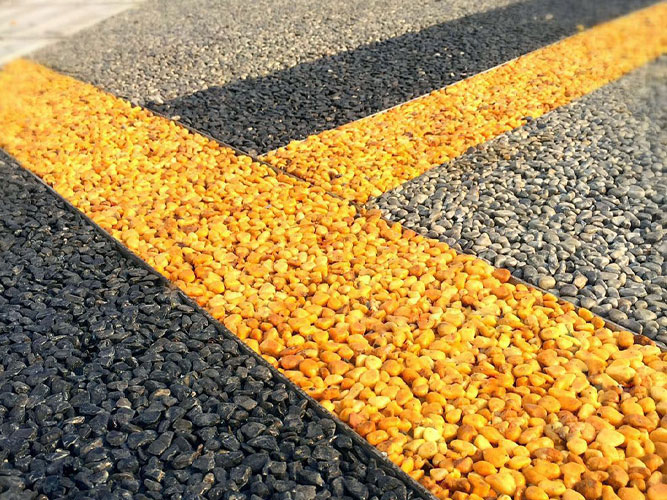
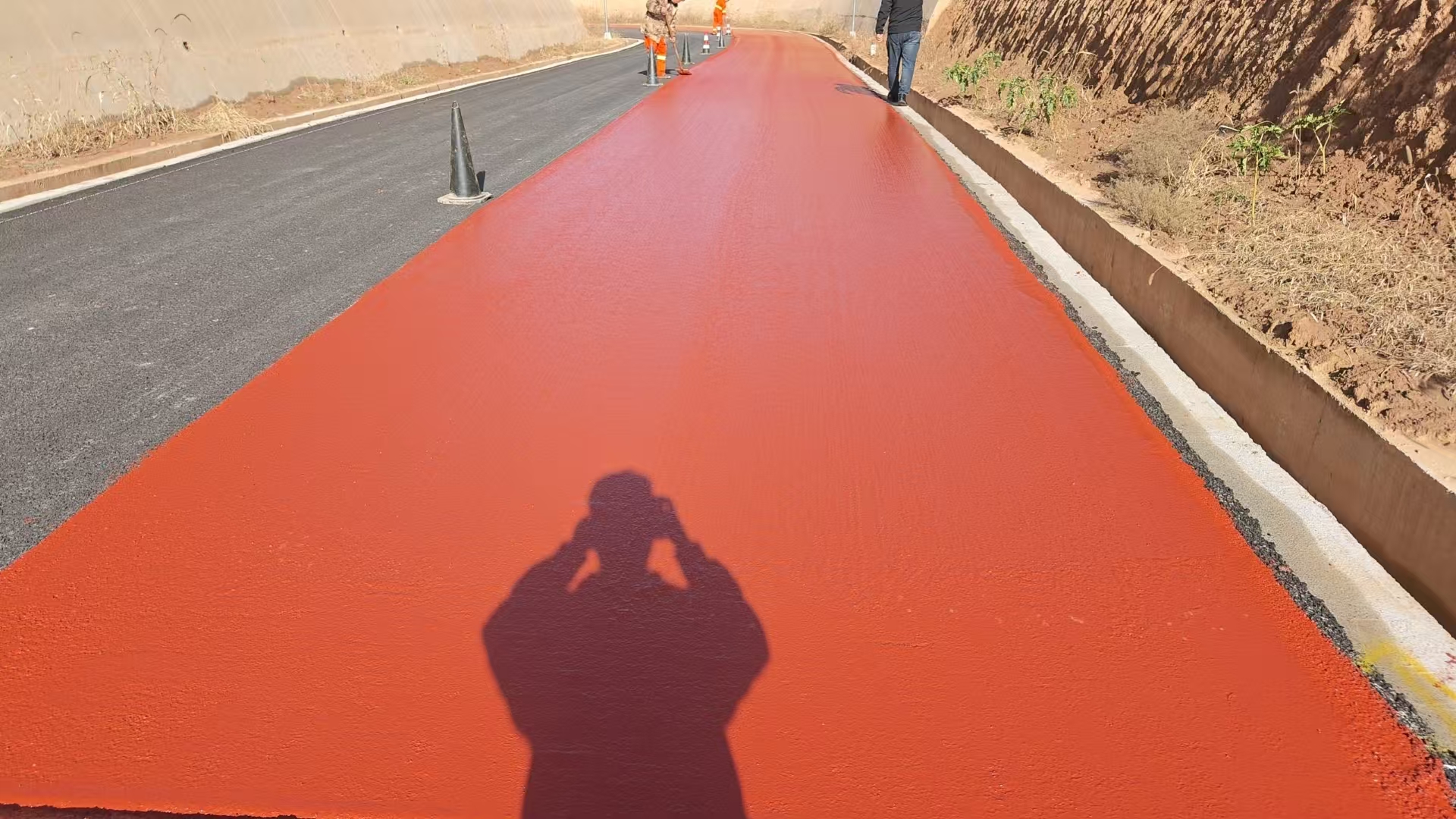
Color emulsified micro-surfacing technology is an advanced road maintenance and safety solution designed for modern urban infrastructure. It combines polymer-modified emulsified asphalt with fine aggregates and color pigments to form a thin, durable, high-friction surface layer.
This technology is widely used in cities to improve road safety, extend pavement life, and support smarter traffic management systems through clear visual road guidance.
Color emulsified micro-surfacing is a cold-applied pavement treatment that is sprayed and spread over existing asphalt or concrete surfaces. It consists of:
Polymer-modified asphalt emulsion
Fine graded aggregates
Mineral fillers
Color pigments and additives
After curing, it forms a textured and colored anti-skid surface that enhances both functional performance and visual road organization.
The system works by applying a slurry-like mixture onto the road surface. As the emulsion breaks and cures, it binds the aggregates into a dense micro-texture layer.
This process improves:
Surface friction and skid resistance
Water drainage performance
Road surface durability
Traffic visibility and lane definition
The textured surface significantly increases tire grip, helping reduce:
Skidding in wet conditions
Braking distance
Accident risks in intersections and curves
This makes it especially effective in high-risk urban road areas.
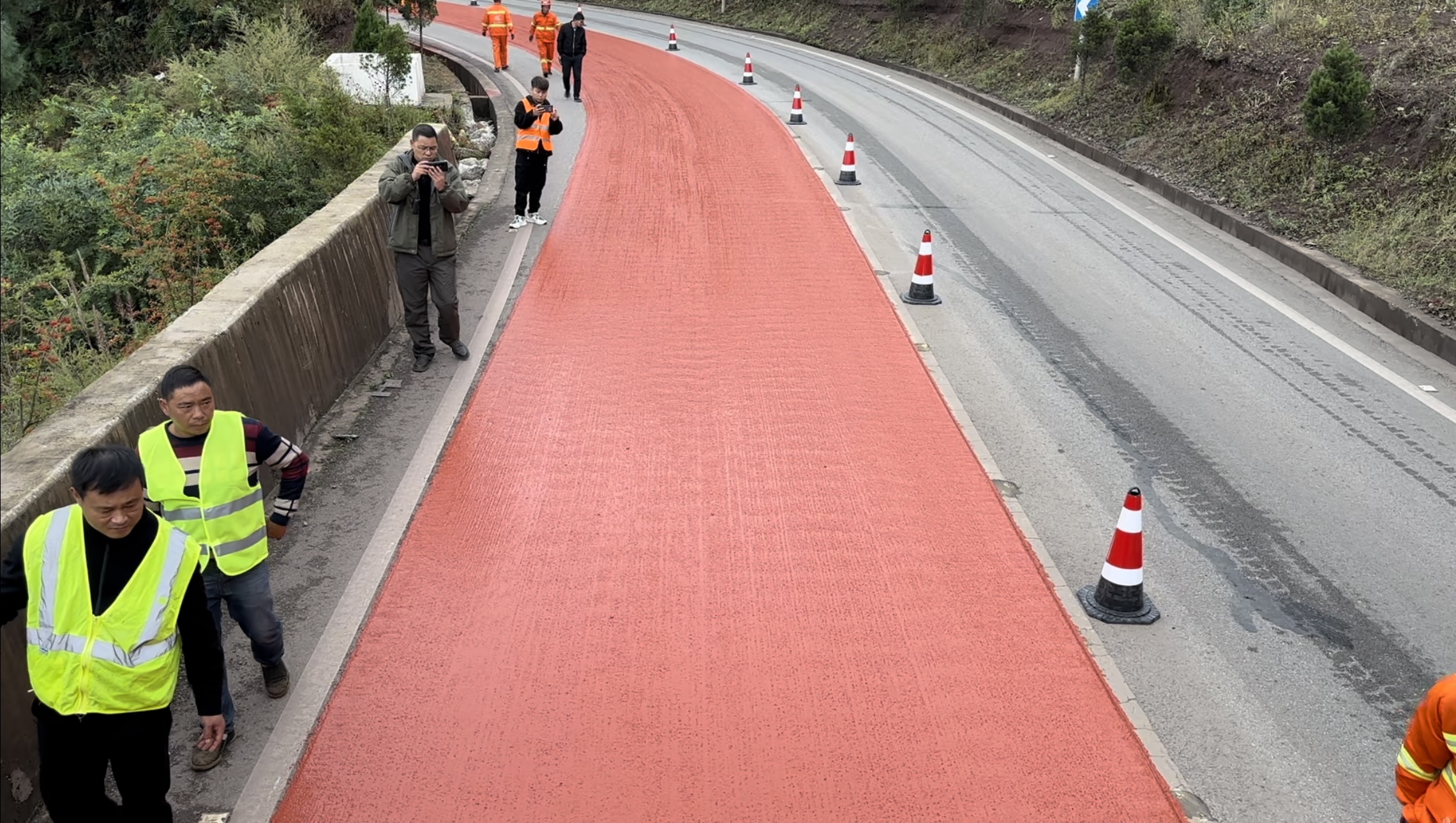
Color emulsified micro-surfacing allows roads to be visually differentiated, helping organize traffic flow. It is commonly used for:
Bicycle lanes
Pedestrian crossings
Bus priority lanes
Safety warning zones
This improves driver awareness and pedestrian safety in complex traffic environments.
This technology is a preventive maintenance solution that extends pavement life without full reconstruction. Benefits include:
Lower maintenance costs
Reduced rehabilitation needs
Extended service life of existing pavements
The system can be applied quickly, allowing roads to reopen shortly after installation. This reduces traffic disruption in busy urban areas.
Color emulsified micro-surfacing is designed to withstand:
Heavy traffic loads
UV exposure
Rain and moisture
Temperature variations
This ensures long-term performance in diverse climates.
This technology supports smart and sustainable city development by improving:
Traffic organization through color-coded road systems
Safety for pedestrians and cyclists
Efficiency of urban transportation networks
Maintenance efficiency for municipal agencies
It is an important component of modern intelligent road infrastructure systems.
Color emulsified micro-surfacing is widely used in:
Urban arterial roads
Bicycle and pedestrian lanes
Intersections and crossroads
Residential and commercial streets
Parking facilities
School and hospital zones
Airport service roads
Bus corridors and transit lanes
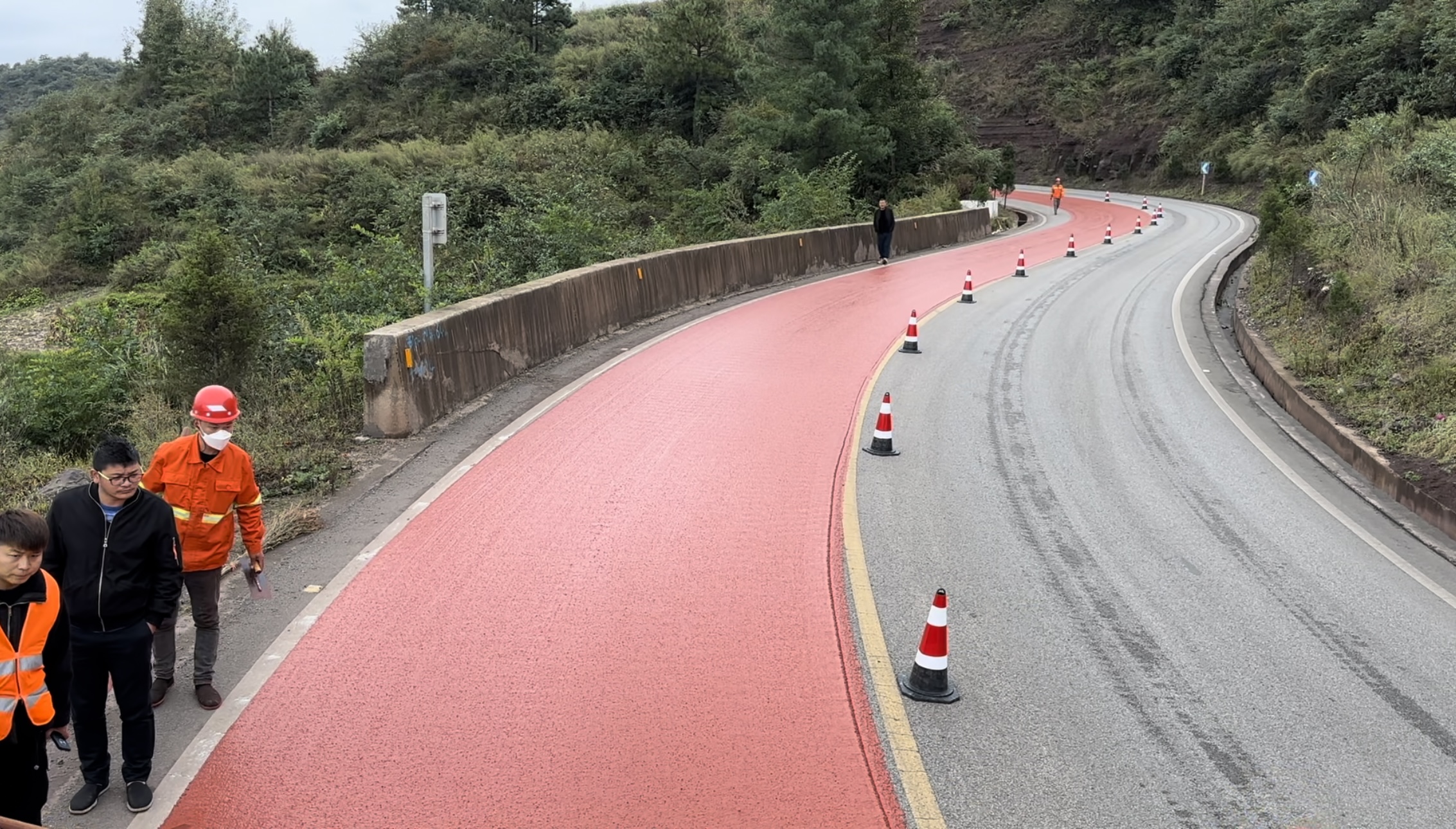
The technology is expected to evolve toward:
Higher-performance polymer emulsions
Improved color stability and UV resistance
Enhanced skid resistance formulations
Faster curing and reopening systems
Eco-friendly and low-emission materials
These innovations will further strengthen its role in smart and sustainable urban infrastructure.
Color emulsified micro-surfacing technology is a highly effective solution for building safer and smarter cities. By combining skid resistance, color visibility, and pavement preservation, it improves urban road safety while supporting efficient and sustainable transportation systems.