
Anti-skid ramp pavement is a specialized surfacing system designed to improve vehicle control, traction, and safety in areas where elevation changes occur, such as parking ramps, bridge approaches, loading zones, and urban road transitions. These ramps are critical safety points because vehicles are more likely to slip, lose control, or experience instability when accelerating, braking, or turning on sloped surfaces.
By combining high-friction aggregates with durable resin or cement-based binders, anti-skid ramp pavement significantly enhances driving safety in modern transportation systems.
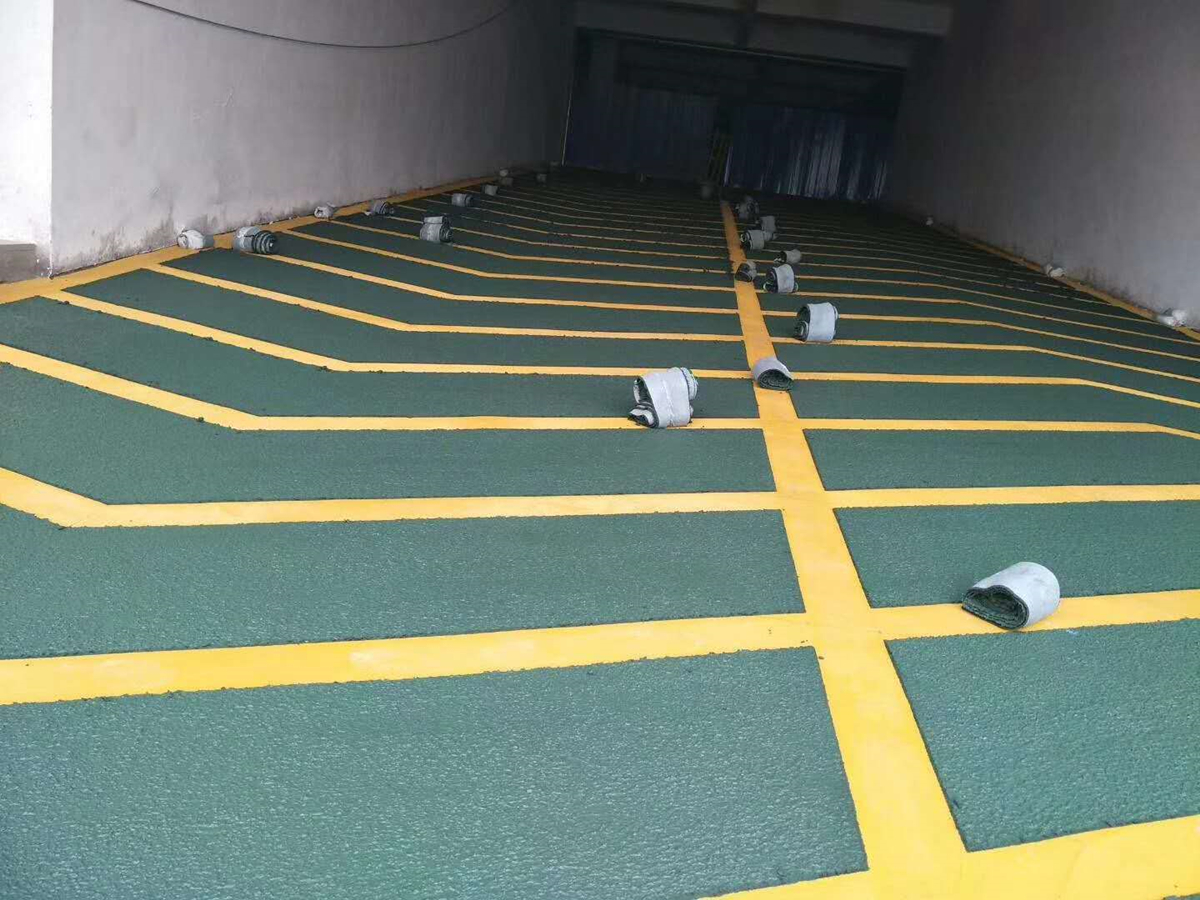
One of the main safety benefits of anti-skid ramp pavement is its ability to increase tire-road friction.
This helps:
Prevent wheel slippage on uphill and downhill ramps
Improve traction during acceleration and braking
Maintain vehicle stability on steep gradients
Reduce loss of control in wet conditions
High-friction materials such as calcined bauxite, ceramic particles, and quartz aggregates create a rough surface texture that enhances grip.
Ramps are high-risk areas because vehicles frequently change speed and direction. Anti-skid pavement reduces accident risks by improving surface control.
It is especially effective in:
Parking garage entry and exit ramps
Highway on/off ramps
Bridge approach zones
Loading and unloading areas
Underground facility ramps
These areas often experience sudden braking or acceleration, making skid resistance essential.
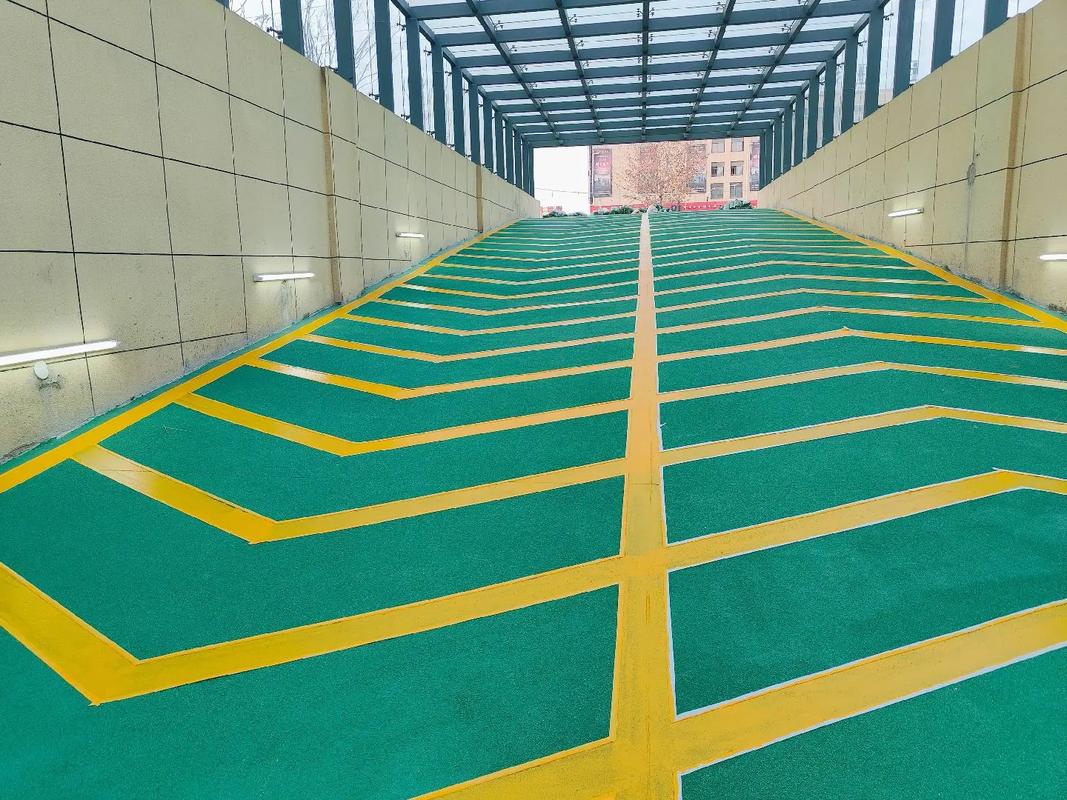
Rain, oil, and surface moisture significantly increase the risk of skidding. Anti-skid ramp pavement maintains strong friction even under wet conditions.
Key benefits include:
Reduced hydroplaning risk
Improved braking performance on wet surfaces
Better vehicle control during rainstorms
Enhanced safety in humid or coastal environments
The textured surface allows water to disperse more effectively, maintaining tire contact with the pavement.
Anti-skid ramp pavement is often visually and physically distinct from surrounding road surfaces. This helps drivers recognize transition zones early.
Benefits include:
Increased driver attention before entering ramps
Better speed adjustment behavior
Clear identification of high-risk zones
Reduced sudden braking or lane changes
Color and texture combinations are often used to further improve visibility.
Anti-skid ramp systems support a wide range of vehicles, including:
Passenger cars
Buses
Trucks and delivery vehicles
Emergency vehicles
Two-wheelers in urban areas
This ensures consistent safety performance across different traffic loads and vehicle weights.
Modern anti-skid ramp pavements are designed for long-term performance under continuous stress.
They provide:
High wear resistance from repeated vehicle movement
Strong bonding to asphalt or concrete substrates
Resistance to cracking and surface deformation
Stable performance under temperature changes
This reduces maintenance frequency and lifecycle costs.
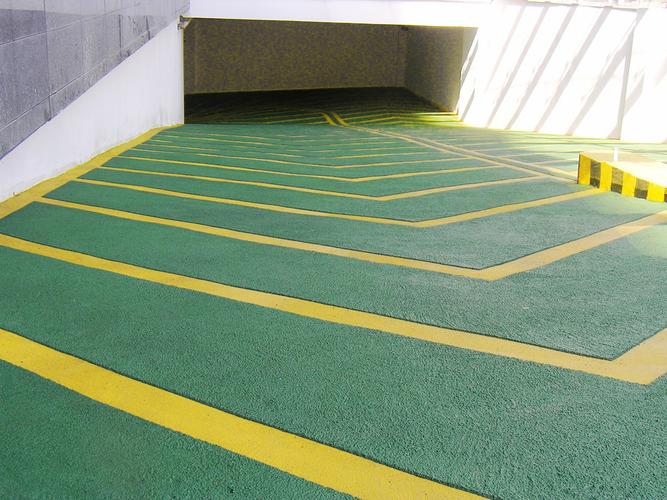
By improving traction and control, anti-skid ramps help maintain smoother traffic movement.
This results in:
Fewer slowdowns caused by wheel slip
Reduced congestion at ramp entrances and exits
Safer merging and diverging traffic
Improved overall road efficiency
Anti-skid ramp pavement significantly enhances driving safety by improving traction, reducing accident risks, and stabilizing vehicle movement on sloped surfaces. Its high-friction design ensures better control in wet and dry conditions, making it essential for parking facilities, bridges, highways, and urban infrastructure. As cities continue to grow and traffic becomes more complex, anti-skid ramp systems play a crucial role in creating safer and more reliable transportation networks.