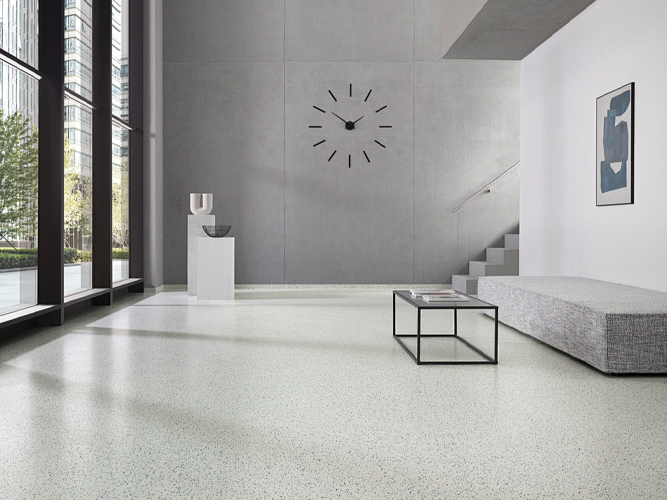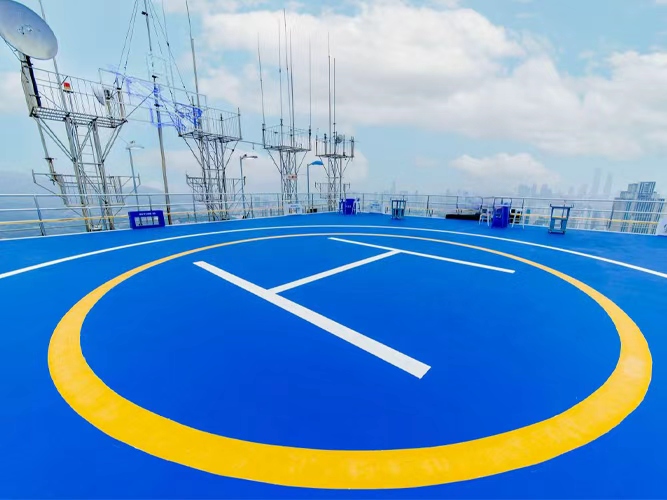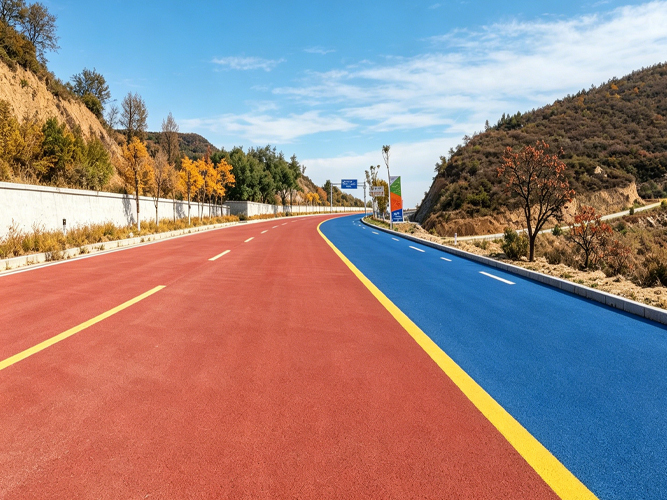
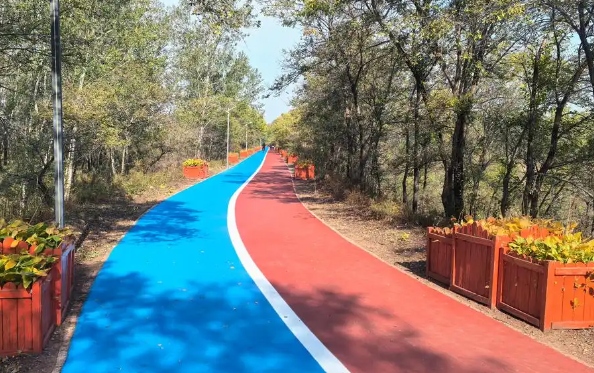
Colored anti-slip pavement is a specialized road surfacing system designed to improve traffic safety, increase skid resistance, and enhance road visibility. It combines colored materials with high-friction aggregates to create a durable surface that helps vehicles and pedestrians maintain traction under various weather and traffic conditions.
This type of pavement is widely used in bicycle lanes, pedestrian crossings, intersections, parking ramps, bus lanes, bridges, tunnels, and other high-risk traffic areas where safety and visual guidance are important.
Colored anti-slip pavement is a surface treatment applied to asphalt or concrete pavements using colored binders, resin materials, and anti-skid aggregates. Unlike ordinary road surfaces, it provides both decorative appearance and functional performance.
The system typically includes:
Colored resin or polymer binder
High-friction aggregates or ceramic particles
Pigments for visual identification
Protective surface layers for durability
The combination of these materials creates a textured and highly visible surface that improves grip and road recognition.
Colored anti-slip pavement works by increasing the friction between vehicle tires and the road surface. The anti-skid aggregates create a rough texture that improves tire traction and reduces the risk of skidding, especially during rain or sudden braking.
At the same time, the colored surface provides clear visual guidance for drivers, cyclists, and pedestrians. Bright colors help identify special traffic zones and improve reaction time, which contributes to safer traffic movement.
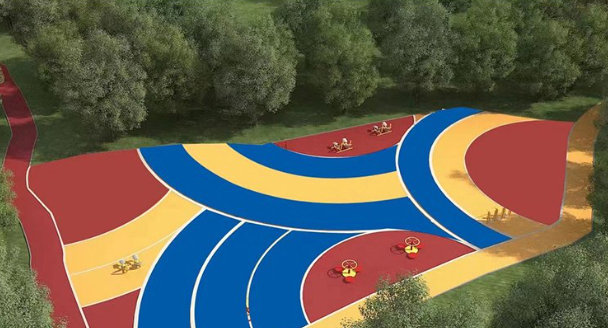
The embedded aggregates or ceramic particles increase the surface texture depth, helping tires maintain better contact with the pavement. This reduces braking distance and improves vehicle stability.
Different colors are used for different traffic purposes:
Red for bus lanes or warning zones
Green for bicycle lanes
Blue for special-use areas
Yellow for caution or separation zones
These visual signals help improve traffic organization and reduce confusion on busy roads.
The resin or polymer binder seals and protects the pavement surface from water penetration, UV damage, and wear. This helps extend pavement life and maintain long-term performance.
MMA (Methyl Methacrylate) systems are known for rapid curing, strong adhesion, and excellent durability. They are widely used in intersections, bridges, tunnels, and heavy traffic areas.
Water-based systems are environmentally friendly and produce low VOC emissions. They are suitable for urban roads, sidewalks, and bicycle lanes.
This system uses high-hardness ceramic aggregates bonded with resin materials to achieve excellent skid resistance and wear performance.
Colored micro-surfacing combines emulsified asphalt, pigments, and aggregates to provide pavement preservation and anti-slip functionality at a lower cost.
The high-friction surface significantly reduces skidding and improves vehicle control, especially on wet roads, curves, ramps, and intersections.
Bright colored surfaces help road users quickly identify traffic zones, improving awareness and reducing accident risks.
Modern anti-slip pavement systems offer strong wear resistance, UV stability, and long service life under heavy traffic conditions.
Many colored pavement systems cure quickly and can reopen to traffic within a short period, minimizing traffic disruption.
Colored anti-slip pavement improves both the appearance and functionality of urban roads and public spaces.
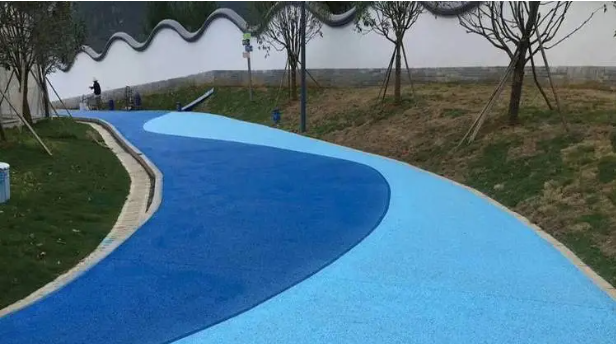
Colored anti-slip pavement is commonly used for:
Bicycle lanes
Pedestrian crossings
Bus rapid transit lanes
Parking garage ramps
School safety zones
Highway exits and curves
Bridges and tunnels
Urban intersections
These applications improve traffic organization while increasing overall road safety.
As cities continue to invest in smart transportation and sustainable infrastructure, colored anti-slip pavement technology is advancing rapidly. New environmentally friendly binders, improved aggregates, and longer-lasting color systems are helping create safer and more durable road surfaces.
Colored anti-slip pavement is becoming an essential solution for modern transportation engineering because it combines safety, durability, visibility, and urban aesthetics in one integrated pavement system.