Color emulsified micro-surfacing is an advanced pavement preservation technology that combines road maintenance, anti-skid performance, and visual traffic management into a single surface treatment solution. By integrating emulsified asphalt, colored pigments, polymers, and graded aggregates, this system creates durable and highly visible road surfaces suitable for modern urban transportation infrastructure.
Compared with traditional pavement rehabilitation methods, color emulsified micro-surfacing offers lower construction costs, faster application speed, and reduced traffic disruption. It has become a popular solution for bicycle lanes, bus lanes, intersections, pedestrian areas, and decorative urban roads.
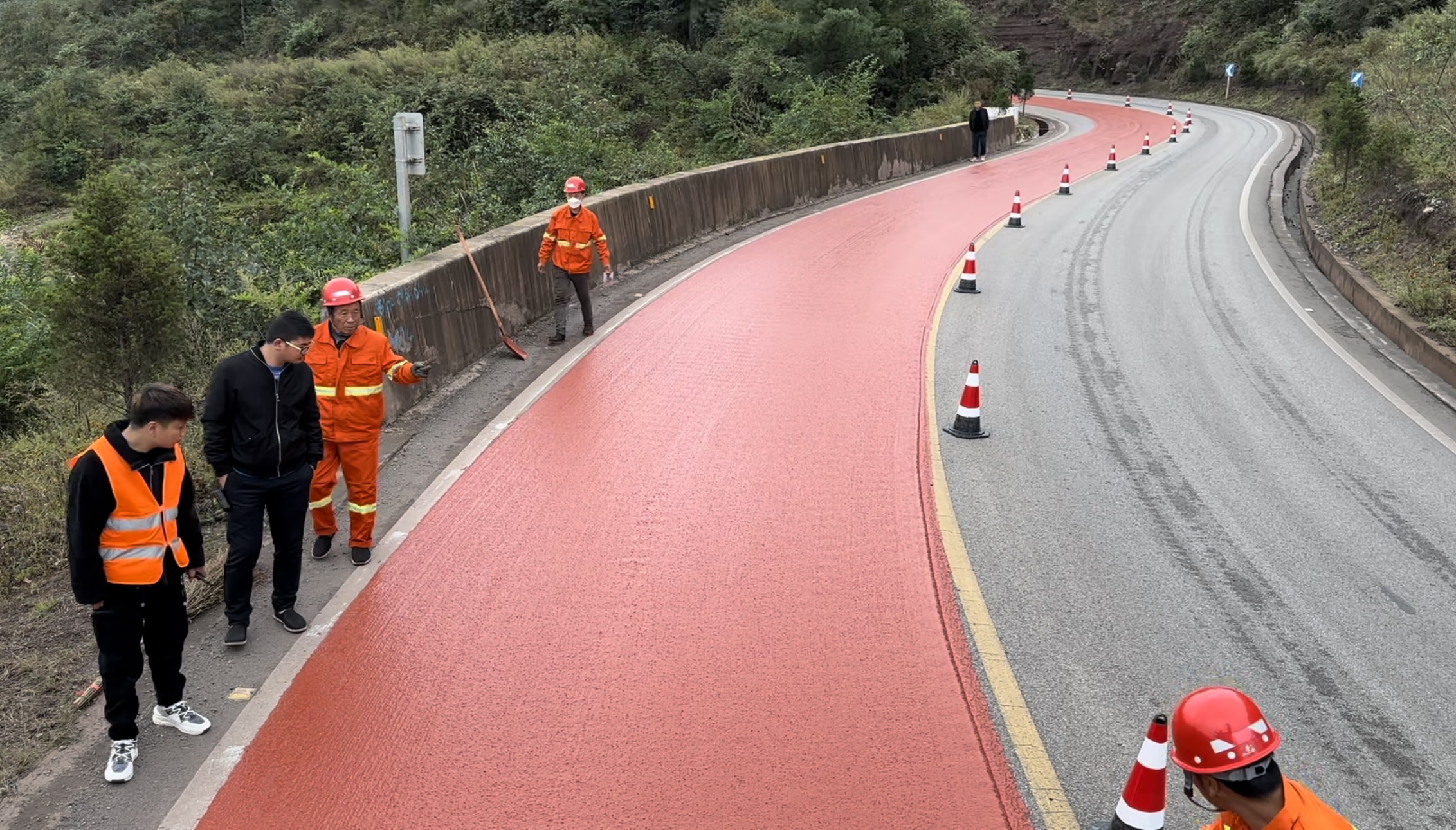
Color emulsified micro-surfacing is a cold-mix pavement treatment applied to existing asphalt surfaces using specialized paving equipment. The system consists of polymer-modified emulsified asphalt, mineral fillers, pigments, water, and fine aggregates that are mixed and spread evenly onto the pavement surface.
Unlike conventional black micro-surfacing, the colored version adds visual functionality and decorative value while maintaining excellent pavement preservation performance.
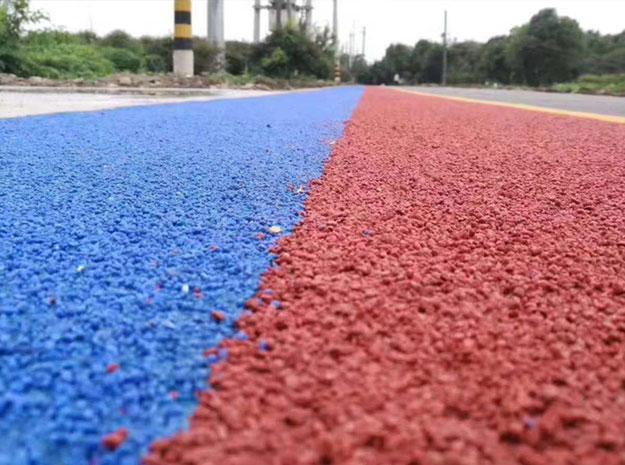
The emulsified asphalt acts as the binder, coating the aggregate particles and creating a strong bond with the existing pavement. Colored pigments or colored aggregates are added to produce bright and durable surface colors.
After application, the mixture cures and forms a textured anti-slip surface that improves pavement friction, seals minor cracks, and protects the road from water penetration and oxidation.
Color emulsified micro-surfacing restores pavement performance without requiring complete road reconstruction. It significantly reduces maintenance costs while extending pavement service life.
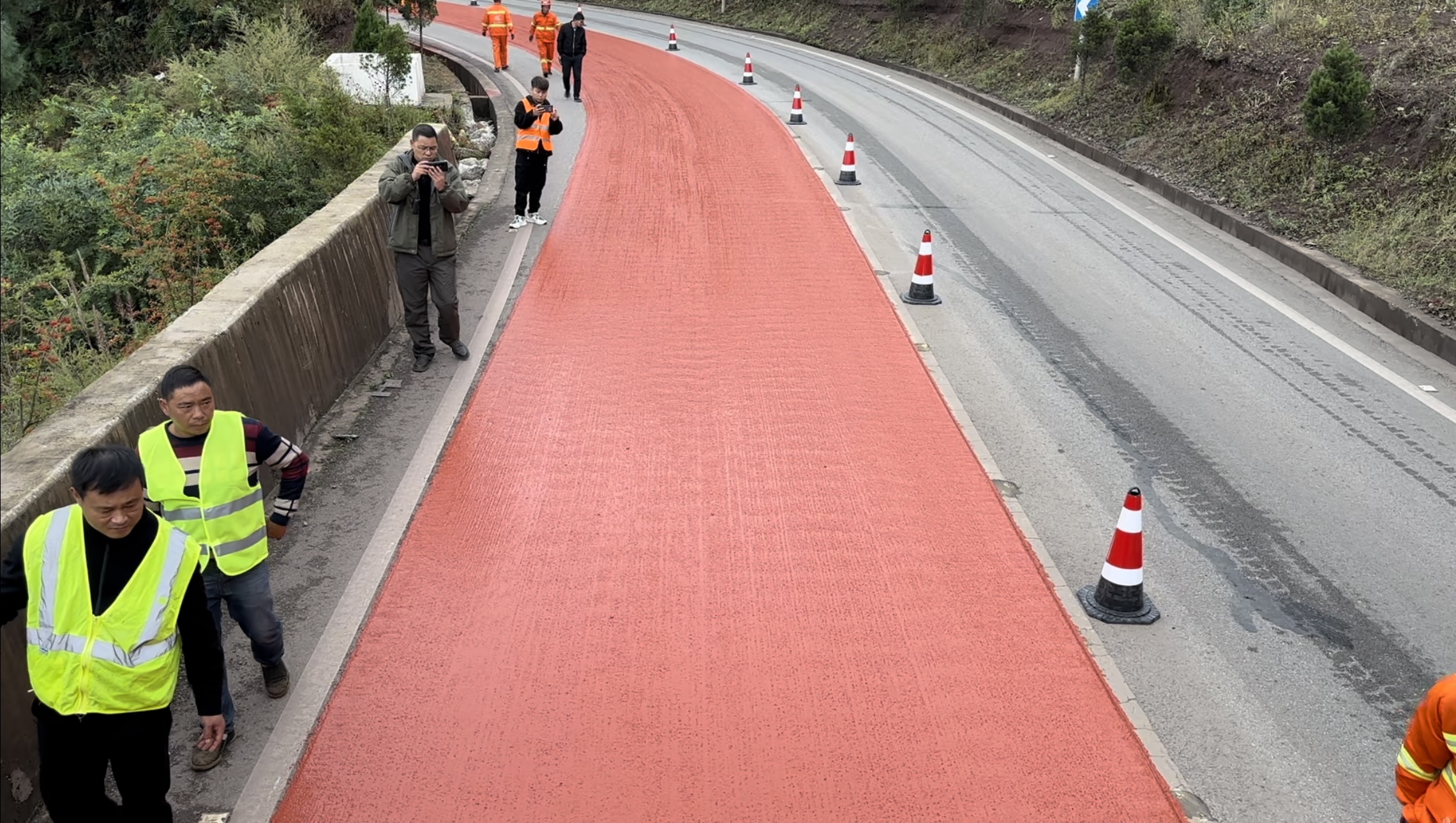
The textured surface improves skid resistance and reduces the risk of vehicle slipping. Bright pavement colors also improve visibility and help guide drivers, cyclists, and pedestrians more effectively.
As a cold-applied technology, micro-surfacing can be installed quickly with minimal equipment and traffic interruption. Roads can often reopen shortly after curing.
The use of water-based emulsified asphalt reduces energy consumption and lowers emissions compared to traditional hot asphalt paving methods. This supports sustainable urban infrastructure development.
Polymer-modified binders provide excellent wear resistance, UV stability, and weather durability, helping maintain long-term pavement performance and color stability.
Typical color emulsified micro-surfacing systems include:
Polymer-modified emulsified asphalt
Colored pigments or colored aggregates
Mineral fillers
Fine graded aggregates
Water and performance additives
These materials work together to create a flexible, durable, and skid-resistant pavement surface.
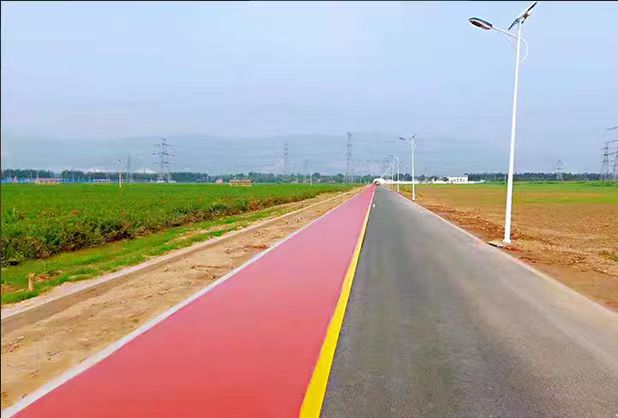
Color emulsified micro-surfacing is widely used in transportation and municipal engineering projects, including:
Bicycle lanes
Bus rapid transit lanes
Pedestrian crossings
Urban roads and intersections
Parking areas and ramps
School safety zones
Parks and recreational pathways
Decorative public streets
The system is particularly suitable for areas requiring both functional traffic management and attractive urban design.
Compared with traditional asphalt overlays or reconstruction methods, color emulsified micro-surfacing offers several advantages:
Lower construction cost
Reduced material consumption
Faster construction time
Improved anti-skid performance
Better visual traffic guidance
Extended pavement life
Lower environmental impact
These benefits make it an ideal preventive maintenance solution for modern road networks.
As cities continue to focus on sustainable transportation systems and smart urban infrastructure, color emulsified micro-surfacing technology is evolving rapidly. Improved polymer materials, eco-friendly emulsions, and enhanced color stabilization technologies are helping increase pavement durability and environmental performance.
In the future, color emulsified micro-surfacing will continue to play an important role in road preservation, traffic safety improvement, and urban beautification projects around the world.