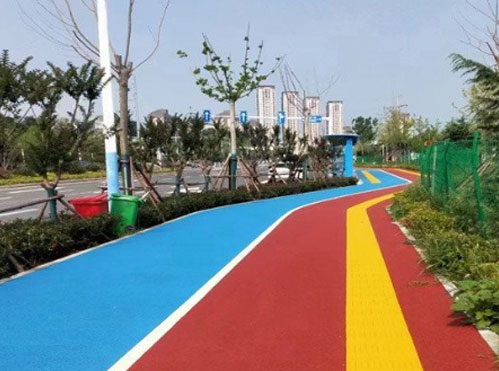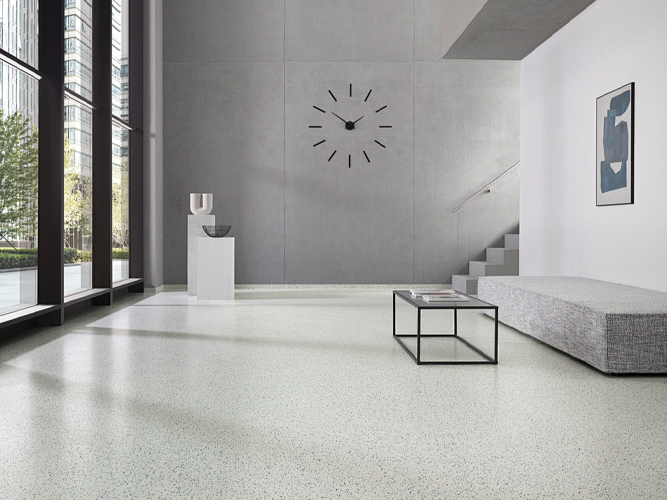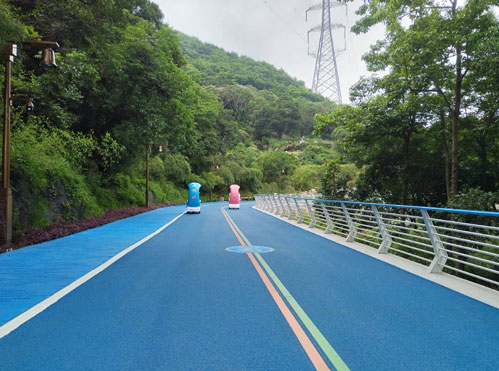
Colored pavement is revolutionizing urban streets and public spaces by combining safety, durability, and aesthetic appeal. Vibrant, long-lasting surfaces not only enhance the visual character of a city but also improve traffic management, pedestrian safety, and overall infrastructure quality. This solution is widely applied to bike lanes, pedestrian crossings, bus lanes, parking areas, school zones, and public parks.
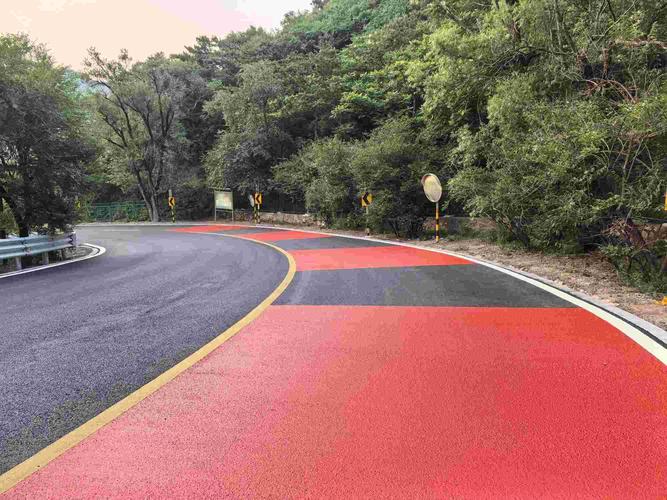
One of the most significant benefits of colored pavement is its ability to guide and organize traffic. Bright colors—such as red, green, blue, and yellow—create clear distinctions between different zones, helping drivers, cyclists, and pedestrians navigate more safely. These visual cues reduce accidents, improve traffic flow, and enhance urban mobility, particularly in high-traffic or complex areas.
Durability is a key feature of modern colored pavement. Using advanced materials like MMA resin, epoxy binders, polyurethane coatings, or water-based anti-slip systems, these surfaces withstand heavy traffic, harsh weather, and UV exposure while maintaining color stability and skid resistance. High-friction aggregates ensure that the pavement remains safe and reliable for both vehicles and pedestrians over time.
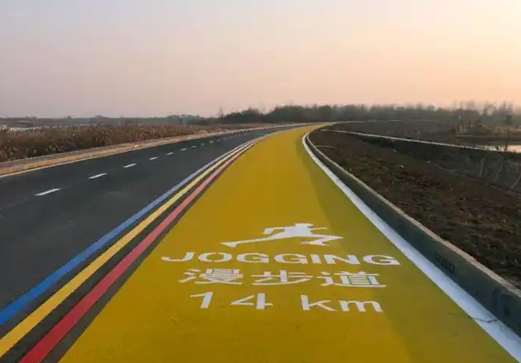
In addition to safety and longevity, colored pavement contributes to the aesthetic appeal of urban areas. Vibrant, uniform colors transform ordinary streets into visually engaging public spaces, boosting the overall sense of community and urban identity. City planners can use colored pavement strategically to highlight bike lanes, pedestrian paths, bus corridors, and recreational areas.
Environmental sustainability is also prioritized. Many modern systems are water-based or low-VOC, reducing environmental impact and supporting greener construction practices. Fast installation, low maintenance, and long service life minimize disruption and reduce overall costs.
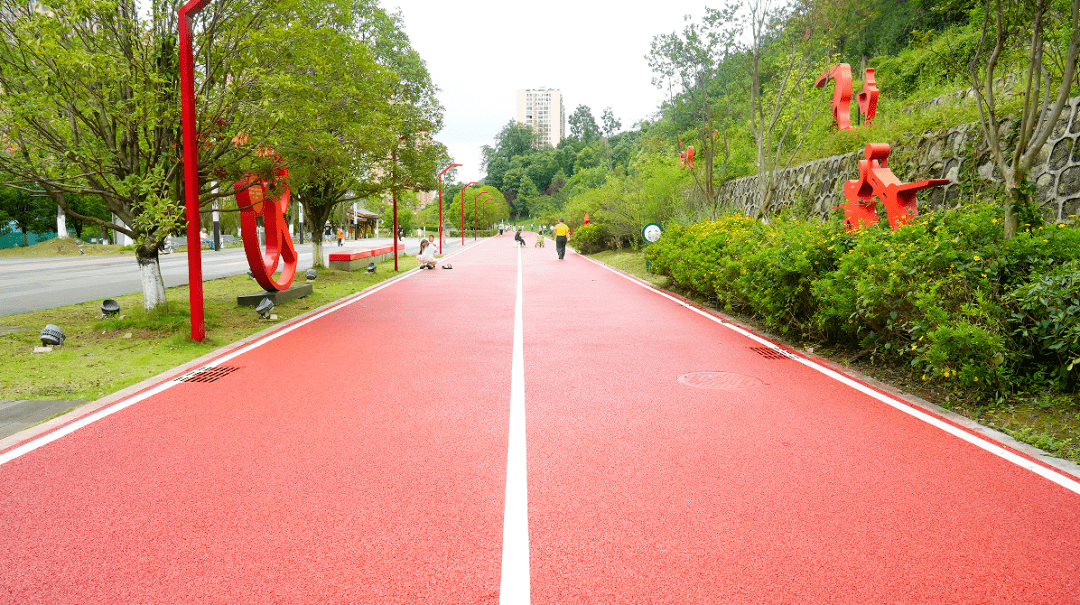
By integrating safety, functionality, and visual appeal, vibrant, long-lasting colored pavement offers a smart, modern solution for transforming roads and public spaces into safer, more organized, and attractive urban environments.