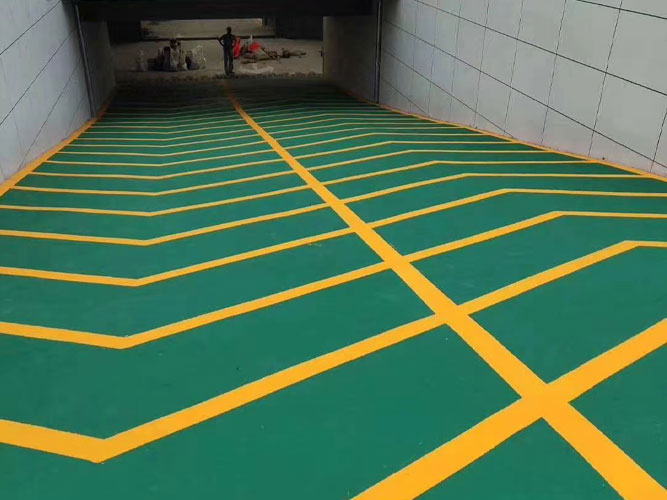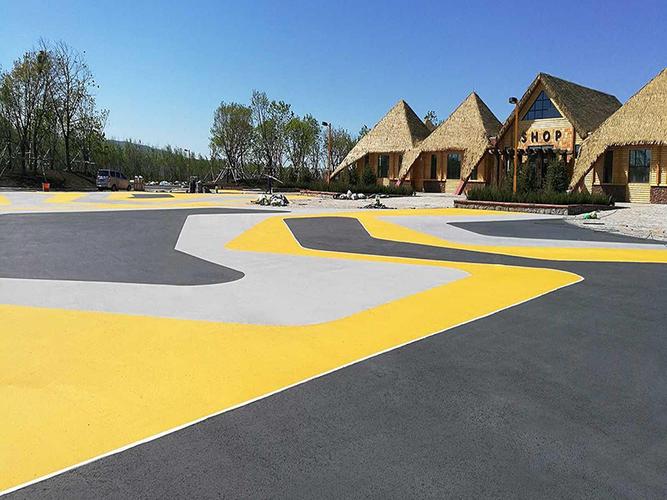
Colored pavement is becoming a preferred surface solution for parks, recreational trails, pedestrian pathways, and public open spaces. By combining durability, safety, and visual appeal, colored pavement helps create attractive environments while improving navigation and user experience.
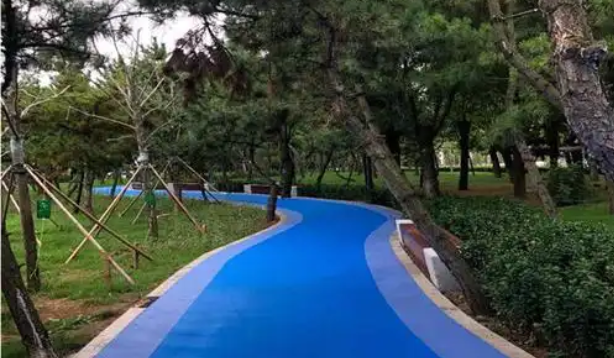
In parks and pathways, color plays an important role in organizing space. Different colors can be used to distinguish walking paths, cycling routes, jogging tracks, and recreational zones. This clear visual separation helps reduce conflicts between users and promotes safer movement throughout the area.
One of the key advantages of colored pavement is its enhanced visibility. Bright and contrasting colors make pathways easier to identify, even in crowded parks or low-light conditions. This improves accessibility for pedestrians, cyclists, and visitors of all ages.
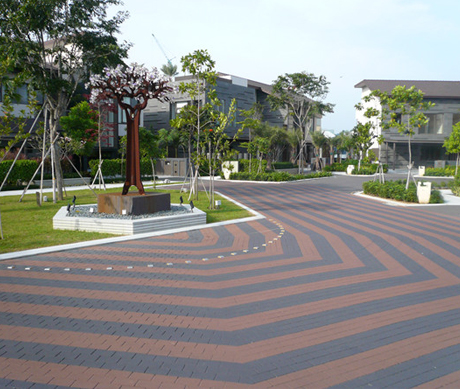
Colored pavement also contributes to the aesthetic value of public spaces. Green, red, brown, blue, and other customized colors can be selected to complement surrounding landscapes and architectural features. Natural-toned pavements blend harmoniously with trees and gardens, while vibrant colors create modern and dynamic recreational environments.
Safety is another major benefit. Many colored pavement systems incorporate anti-slip aggregates that improve skid resistance and reduce the risk of slips and falls, especially during wet weather. This makes them ideal for pedestrian walkways, ramps, playground surroundings, and shared-use paths.
Modern colored pavement materials are designed to withstand heavy foot traffic, cycling activity, and changing weather conditions. Systems based on MMA resin, polyurethane, epoxy, or colored asphalt provide excellent wear resistance, UV stability, and long-term color retention. Properly installed surfaces can maintain their performance and appearance for many years with minimal maintenance.
Environmental considerations are also driving the adoption of colored pavement in parks. Water-based coatings and sustainable paving technologies help reduce environmental impact while supporting green infrastructure goals.
As cities continue to invest in public recreational spaces, colored pavement offers a practical and visually appealing solution for parks and pathways. It enhances safety, improves wayfinding, supports landscape design, and creates more enjoyable outdoor environments for residents and visitors alike.