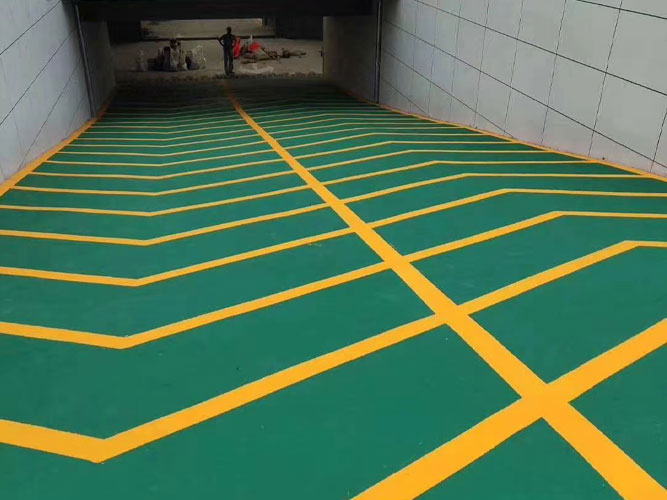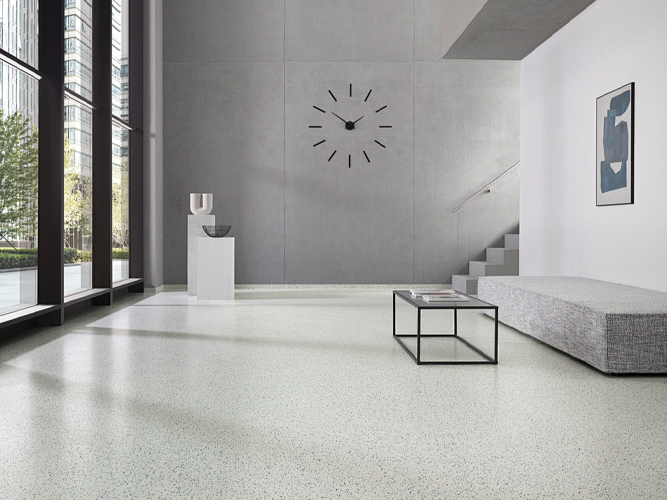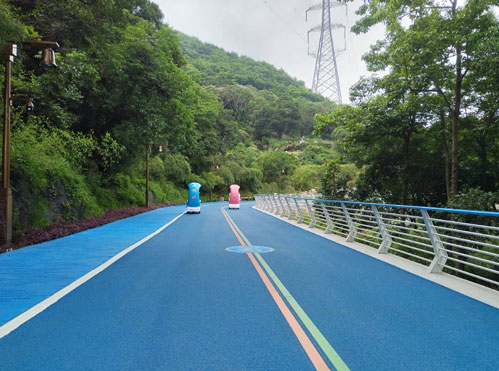
Colored anti-slip pavement systems are widely used in roads, bicycle lanes, pedestrian areas, ramps, bridges, parking lots, and commercial spaces because they provide excellent skid resistance, enhanced visibility, and decorative value. Proper installation is essential to ensure strong adhesion, long-term durability, and stable performance under different traffic and weather conditions.
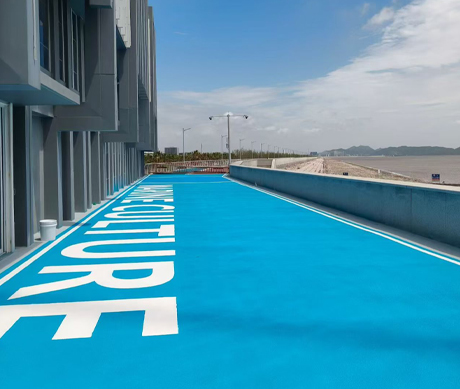
The first and most important step in installing a colored anti-slip pavement system is preparing the existing surface. The pavement must be clean, dry, and free from dust, oil, loose particles, and other contaminants.
For asphalt, concrete, or cement surfaces, professional cleaning methods such as grinding, shot blasting, or high-pressure cleaning may be required to improve surface roughness and bonding performance. Any cracks, potholes, or damaged areas should be repaired before application.
A properly prepared surface ensures that the primer and coating materials can form a strong bond with the pavement base.
After surface preparation, a suitable primer is applied to enhance adhesion between the existing pavement and the anti-slip coating system.
The primer type depends on the pavement material and the selected colored anti-slip technology. MMA resin pavement systems, water-based EAU colored anti-slip pavement, and Water-Based SP pavement systems may require different primers to achieve the best bonding effect.
The primer should be evenly applied according to the manufacturer’s recommended thickness and curing time.
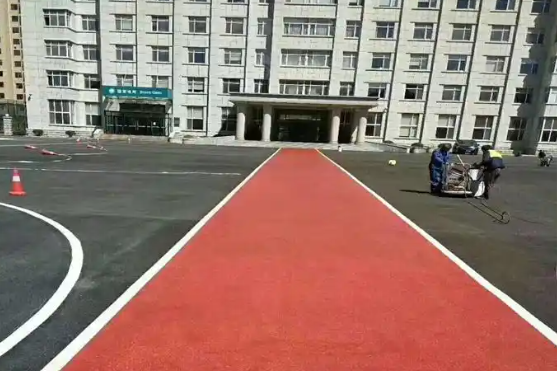
Before application, the colored pavement materials should be mixed carefully to achieve uniform performance.
Depending on the system, materials may include resin binders, color pigments, hardeners, and anti-slip aggregates. Proper mixing ensures consistent color, strength, and surface texture.
For customized projects, different color combinations can be created to meet road design requirements, such as bicycle lanes, pedestrian zones, bus lanes, and traffic guidance areas.
The mixed colored pavement material is applied evenly onto the prepared surface using professional tools such as squeegees, rollers, or spraying equipment.
The coating thickness should be controlled according to project requirements. A uniform base layer helps provide better durability and prevents uneven wear during long-term use.
For high-friction applications, additional aggregate layers may be installed to increase surface texture and improve skid resistance.
Anti-slip aggregates are an essential part of colored pavement systems. Materials such as ceramic particles, quartz aggregate, or high-strength mineral particles are spread onto the wet coating layer.
The aggregate size and distribution directly affect friction performance, surface appearance, and durability. Ceramic aggregate pavement is especially popular for projects requiring high wear resistance and long-lasting color stability.
After the anti-slip layer has been installed and cured, a surface sealer may be applied depending on the pavement system design.
The sealing layer helps improve resistance to weather, UV exposure, stains, and repeated traffic loads while maintaining the color appearance of the pavement.
A final inspection should be conducted to check surface uniformity, bonding strength, color consistency, and skid resistance.
The curing time depends on the selected material, temperature, humidity, and site conditions.
MMA colored pavement systems typically provide fast curing performance, allowing roads to reopen quickly. Water-based pavement systems may require longer drying periods depending on environmental conditions.
Traffic should only be allowed after the pavement has fully cured to prevent damage and ensure maximum service life.
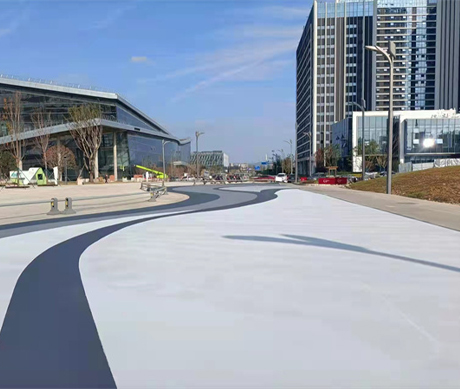
To achieve the best results, colored anti-slip pavement installation should follow these guidelines:
Select the appropriate pavement system based on traffic volume and environmental conditions.
Ensure proper surface preparation before installation.
Use professional construction equipment and techniques.
Control material thickness and aggregate distribution.
Follow recommended curing times before opening to traffic.
Perform regular inspections and maintenance when necessary.
A professional installation process is the key to achieving high-performance colored anti-slip pavement systems. From surface preparation and primer application to coating installation and final curing, every step affects the durability, safety, and appearance of the finished pavement.
With advanced technologies such as MMA resin colored pavement, Water-Based EAU colored anti-slip pavement, Water-Based SP pavement systems, and ceramic aggregate anti-skid surfaces, modern colored pavement solutions provide reliable performance for safer roads, pedestrian areas, and urban infrastructure projects.