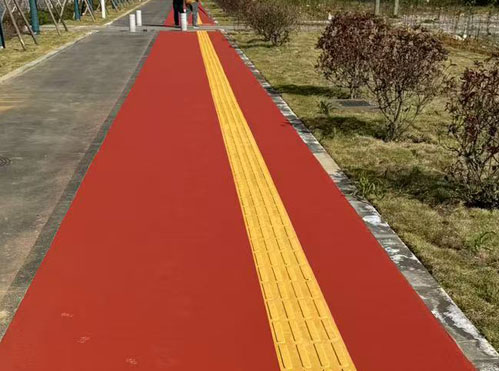
Pedestrian safety is a major concern in modern cities as traffic volumes continue to increase. To create safer and more organized transportation environments, many municipalities are adopting colored pavement solutions for crosswalks, sidewalks, school zones, bicycle lanes, and public spaces. Colored pavement not only enhances the visual appearance of urban infrastructure but also serves as an effective traffic safety tool that helps protect pedestrians and reduce accidents.
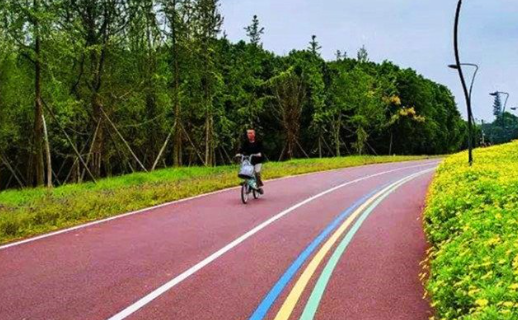
One of the primary benefits of colored pavement is improved visibility. Bright colors such as red, green, blue, and yellow create a strong contrast with traditional asphalt surfaces, making pedestrian areas easier to identify. Drivers can quickly recognize crossings, shared-use zones, and traffic-calming areas, allowing them to react sooner and reduce vehicle speeds.
Pedestrians also benefit from clearly marked walking areas, which help guide movement and improve awareness of designated crossing points.
Colored pavement provides visual cues that immediately communicate the purpose of a specific roadway section. When drivers encounter colored crosswalks or pedestrian zones, they naturally become more alert and cautious.
Common applications include:
Pedestrian crossings
School zones
Public squares
Transit stations
Shared-use streets
Recreational pathways
These visual warnings encourage safer driving behavior and increase attention in areas with high pedestrian activity.
Many colored pavement systems incorporate anti-slip aggregates and high-friction surface treatments. These materials improve traction for both pedestrians and vehicles, especially during wet weather conditions.
Benefits include:
Reduced risk of slips and falls
Better vehicle braking performance
Improved pedestrian confidence
Enhanced safety during rain and adverse weather
High-friction colored pavement is particularly effective on ramps, intersections, and busy pedestrian crossings.
Colored pavement helps distinguish pedestrian areas from vehicle lanes and bicycle routes. This clear separation reduces confusion and minimizes conflicts between different road users.
Examples include:
Green bicycle lanes
Red bus lanes
Colored pedestrian crossings
Decorative walkways in public spaces
Clearly defined zones help pedestrians navigate safely while improving overall traffic organization.
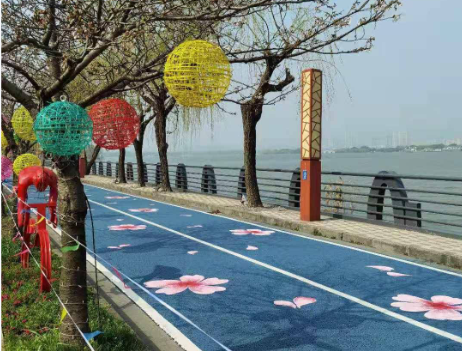
School zones require additional safety measures due to the high number of children crossing roads. Colored pavement increases visibility around schools and alerts drivers to reduce speed and remain vigilant.
Many cities use brightly colored anti-slip pavement near:
School entrances
Crosswalks
Bus pickup areas
Playground access points
These improvements help create safer environments for students, parents, and school staff.
Colored pavement can significantly improve visibility during nighttime and poor weather conditions. Combined with reflective road markings and proper lighting, colored surfaces help drivers identify pedestrian areas more easily.
This added visibility contributes to safer road conditions and reduces the likelihood of pedestrian-related accidents.
Modern colored pavement systems are designed to withstand heavy foot traffic, vehicle loads, and varying weather conditions. High-quality materials maintain their color, texture, and anti-slip properties for many years with minimal maintenance.
Durable colored pavement solutions include:
Water-Based EAU Colored Anti-Slip Pavement
Water-Based SP Colored Anti-Skid Pavement System
MMA Resin Colored Pavement
Color Emulsified Micro-Surfacing
Ceramic Particle Anti-Slip Pavement
These systems provide long-lasting safety benefits while enhancing the appearance of urban infrastructure.
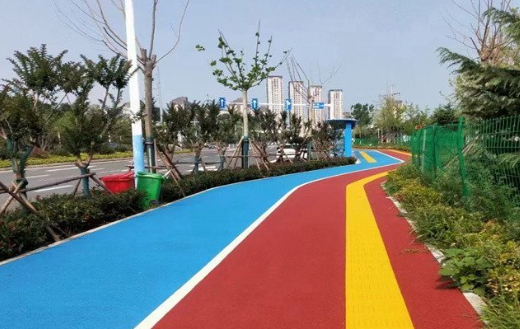
Colored pavement is an effective solution for improving pedestrian safety in modern transportation environments. By increasing visibility, enhancing skid resistance, separating traffic zones, and encouraging driver awareness, colored pavement helps reduce accidents and create safer public spaces. As cities continue to prioritize sustainable and people-friendly infrastructure, colored pavement will remain an important tool for protecting pedestrians and improving urban mobility.