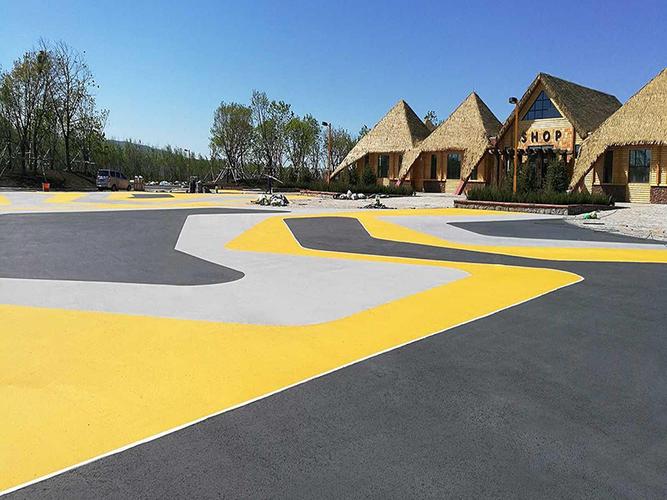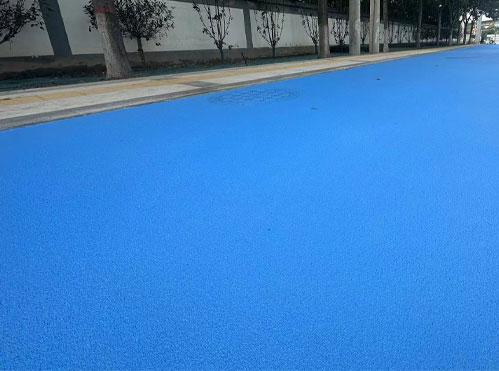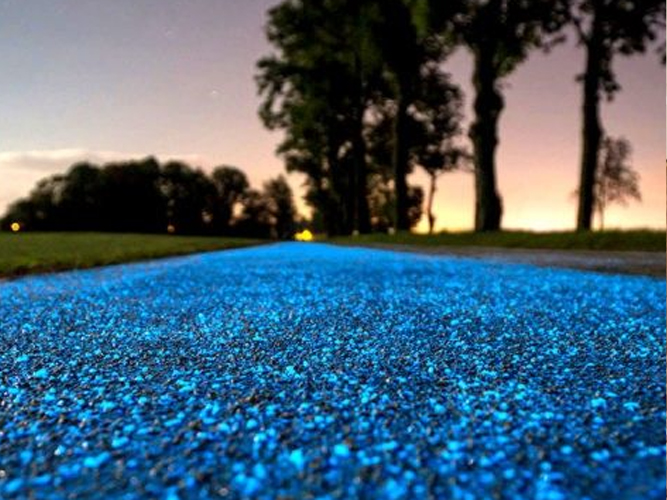
When choosing a pavement solution for roads, bicycle lanes, pedestrian areas, and public spaces, many project owners compare colored anti-skid pavement with traditional asphalt. While both serve as effective road surfaces, they offer different advantages depending on the project's goals.
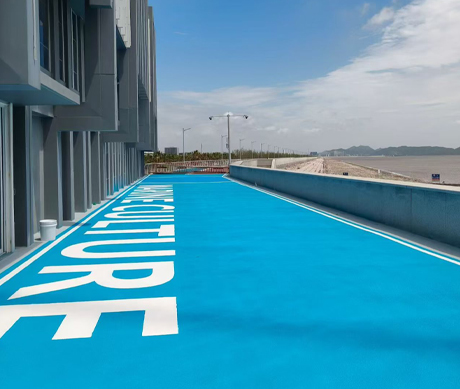
Traditional asphalt is widely used because of its relatively low installation cost and proven performance. It provides a durable driving surface and is suitable for most road construction projects. However, standard asphalt offers limited visibility and often requires additional markings and signage to guide traffic and improve safety.
Colored anti-skid pavement, on the other hand, combines the durability of modern pavement systems with enhanced safety and aesthetics. The bright, high-contrast colors make traffic zones easier to identify, helping drivers, cyclists, and pedestrians recognize designated areas more quickly. This is particularly valuable for bicycle lanes, bus lanes, pedestrian crossings, school zones, and warning areas.
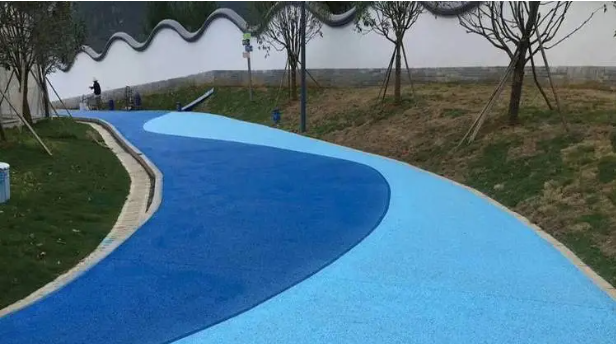
Safety is one of the biggest advantages of colored anti-skid pavement. Its high-friction surface provides superior skid resistance compared to conventional asphalt, helping reduce braking distances and improving vehicle control in wet or slippery conditions. This can significantly lower the risk of accidents in high-traffic or high-risk locations.
From an aesthetic perspective, colored pavement creates a more attractive and organized urban environment. Cities increasingly use colored surfaces to enhance public spaces and strengthen visual traffic management.

Although colored anti-skid pavement may have a higher initial installation cost, it often delivers greater long-term value through improved safety, visibility, and reduced accident-related risks. Many modern systems are also highly durable and resistant to UV exposure, weathering, and heavy traffic.
Ultimately, the better choice depends on project requirements. For basic roadway applications, traditional asphalt remains a practical solution. However, for projects where safety, visibility, traffic guidance, and urban appearance are priorities, colored anti-skid pavement offers clear advantages and has become the preferred option for modern transportation infrastructure.