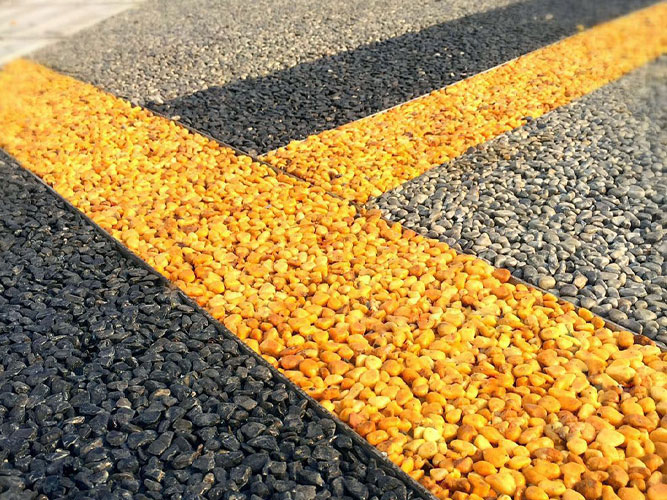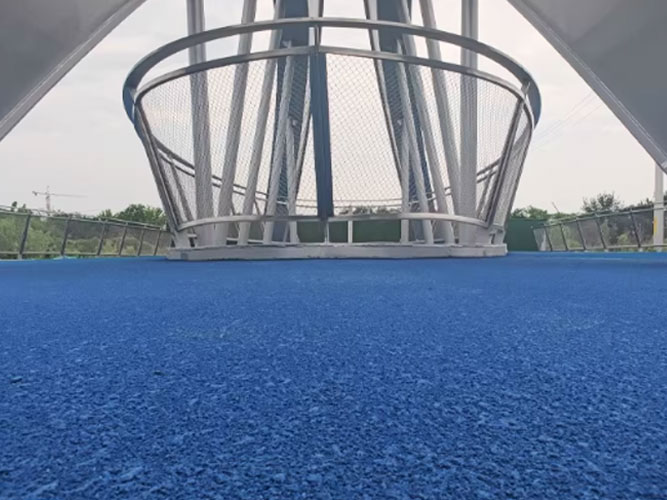
Ceramic aggregate pavement is a high-friction surface treatment designed to improve road safety by increasing skid resistance and enhancing visibility in critical traffic areas. It is widely used on highways, intersections, ramps, bridges, pedestrian crossings, and urban safety zones where braking, turning, and wet-weather conditions create higher accident risks.
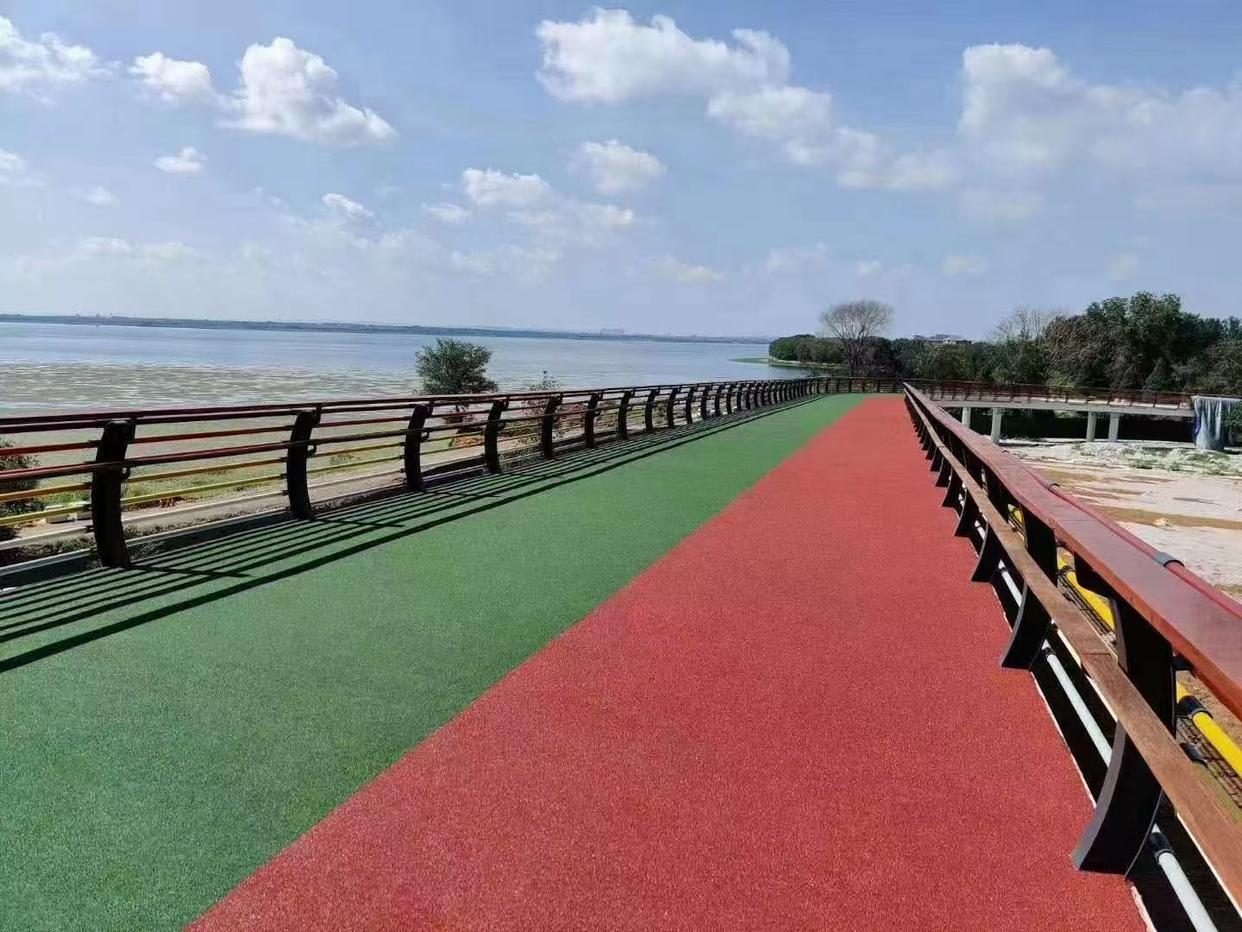
By combining durable ceramic particles with strong resin or MMA binders, this system creates a long-lasting anti-skid surface that significantly improves traction for vehicles and pedestrians.
Ceramic aggregate pavement is a thin surface layer applied over existing asphalt or concrete. It typically consists of:
High-strength ceramic aggregates (anti-slip particles)
Resin or MMA bonding layer
Optional colored pigments for traffic guidance
Sealed textured finish for durability
Once installed, the ceramic particles form a rough micro-texture that greatly increases surface friction.
The ceramic particles create a rough surface that prevents tire slippage during braking, turning, or sudden maneuvers.
Rain and moisture often reduce road friction. Ceramic aggregate pavement maintains strong grip even in wet or slippery conditions.
Colored versions help highlight dangerous zones, lane boundaries, and pedestrian crossings, improving driver reaction time.
By increasing traction and visibility, this system significantly reduces the likelihood of skidding-related accidents.
Used on ramps, curves, and emergency braking zones where vehicles travel at high speeds.
Enhances safety in high-conflict traffic areas with frequent stopping and turning.
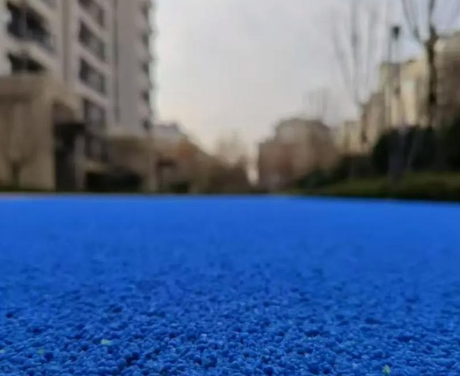
Improves grip and visibility, protecting pedestrians in busy urban environments.
Provides extra friction in wet, windy, or icy conditions.
Helps drivers adjust safely to sudden lighting and surface changes.
The pavement is cleaned and repaired to ensure a stable and dry base.
A bonding primer is applied to improve adhesion between the base surface and the system.
Resin or MMA binder is evenly spread across the surface.
High-friction ceramic particles are broadcast onto the wet binder.
The system hardens quickly, forming a durable and wear-resistant surface layer.
Loose particles are removed after curing to ensure a uniform finish.
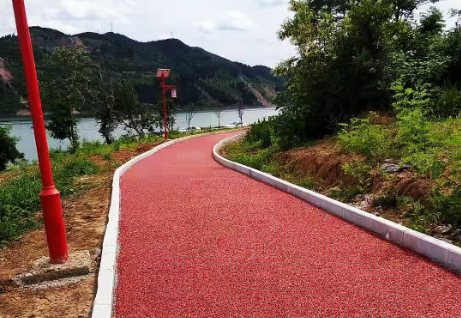
Significantly improves road safety in high-risk zones
Excellent skid resistance under dry and wet conditions
Strong durability under heavy traffic loads
UV and weather resistance for long-term performance
Fast installation with minimal traffic disruption
Suitable for both new construction and rehabilitation projects
Ceramic aggregate pavement is a proven solution for enhancing road safety in modern transportation systems. Its combination of high friction, durability, and visibility makes it ideal for highways, intersections, pedestrian areas, and other critical zones. By improving grip and reducing skidding risks, it plays an important role in creating safer and more reliable road infrastructure.