The Hidden Power of Colored Anti-Skid Road Surfacing You Didn’t Know
At first glance, colored anti-skid road surfacing may look like a simple visual upgrade—just brighter roads with better grip. But beneath the surface lies a much deeper engineering system that quietly transforms how roads function, how drivers behave, and how cities manage traffic safety. Its true power is not just in what you see, but in how it changes movement, perception, and risk in real time.
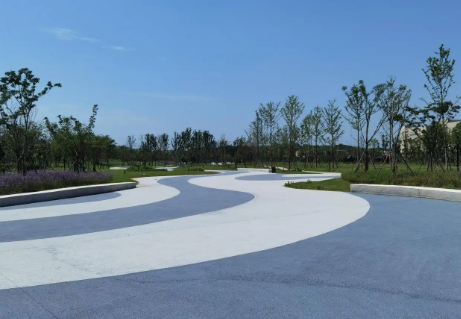
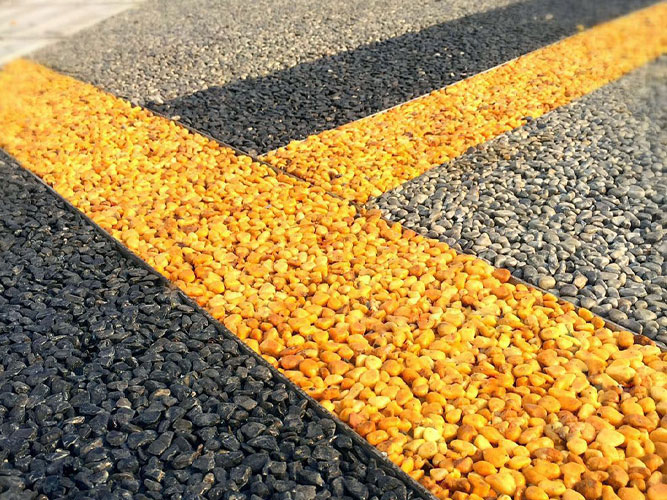
The first hidden advantage is micro-level traction engineering. Unlike conventional asphalt, which relies mainly on aggregate embedded deep within the pavement, colored anti-skid surfacing concentrates high-friction materials directly at the surface. This creates an immediate grip layer between tire and road. In physics terms, this increases frictional resistance, allowing vehicles to decelerate more effectively and maintain stability during sharp turns or emergency braking. Even small improvements in surface friction can significantly reduce stopping distance at high speeds.
The second hidden power is force control under dynamic conditions. When a vehicle brakes or turns, forces are constantly shifting between longitudinal and lateral directions. On low-friction surfaces, this transition can lead to loss of control. High-performance systems such as resin-bonded or ceramic aggregate surfacing help stabilize these forces by maintaining consistent surface roughness. This reduces sudden slip events and improves overall vehicle handling, especially in wet conditions where friction drops sharply.
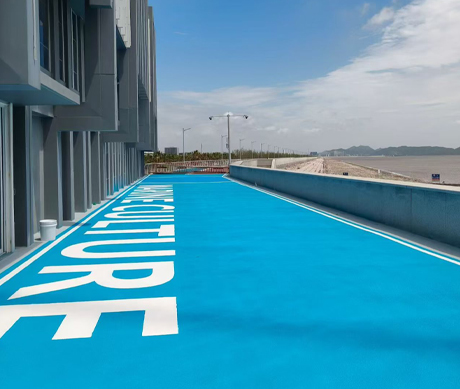
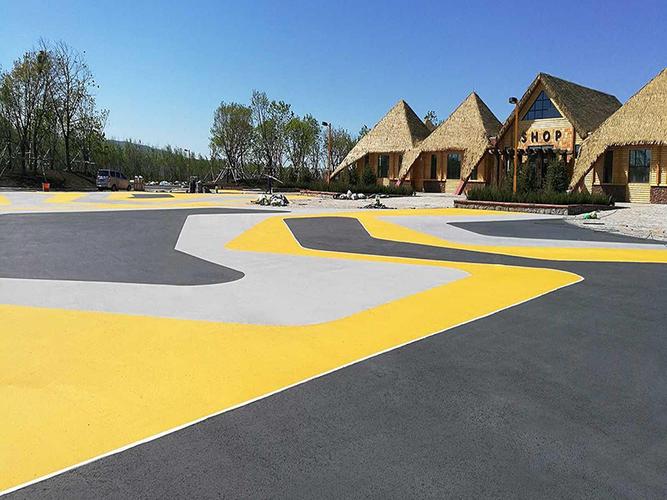
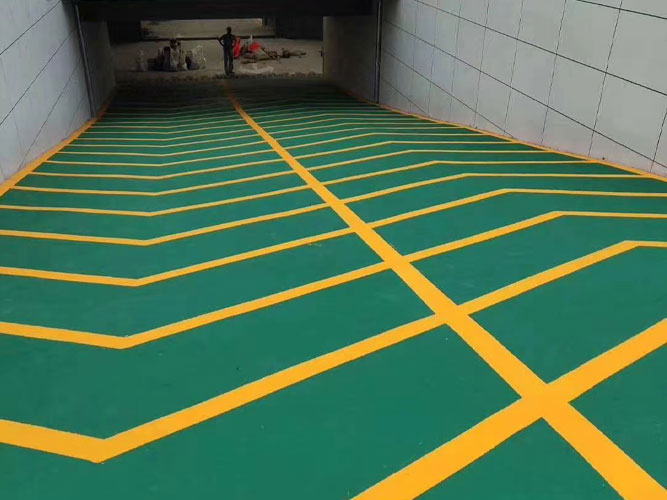
Another overlooked benefit is cognitive load reduction for drivers. Roads are not just physical systems—they are information systems. Drivers process color, contrast, and pattern to make split-second decisions. Colored surfacing simplifies this process by visually separating traffic functions. Instead of interpreting multiple signs and markings, drivers instantly recognize road roles through color-coded zones. This reduces mental processing time, which is critical in high-speed or high-density traffic environments where delays in reaction can cause accidents.
A key contributor to this system is High Friction Surfacing, which is designed to maintain skid resistance even under extreme conditions such as rain, oil contamination, or heavy braking zones. The hidden value here is consistency—while traditional asphalt loses grip as it wears, high-friction surfaces are engineered to retain performance over time, ensuring safety is not just initial but long-lasting.
Another powerful but less obvious feature is behavioral influence engineering. Colored road surfaces subtly guide human behavior without explicit instructions. For example, warm colors like red and orange naturally signal caution and encourage slower driving, while bright, high-contrast lanes increase lane discipline. This type of environmental signaling reduces reliance on enforcement systems and helps shape safer driving habits at a subconscious level.
Thermal and environmental effects also play a hidden role. Many modern colored surfacing systems are designed with reflective pigments and lighter tones compared to standard asphalt. This can reduce heat absorption, lowering surface temperatures in urban environments. In addition, some water-based formulations contribute to reduced emissions during construction, supporting more sustainable infrastructure development.
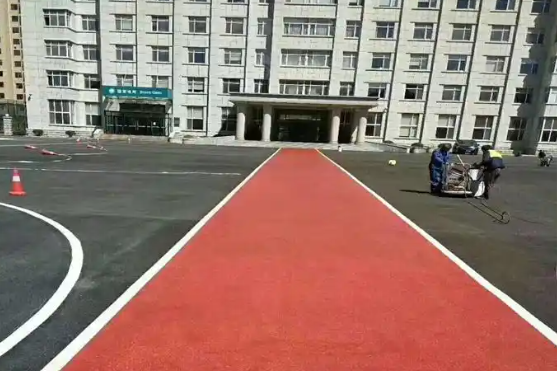
Maintenance efficiency is another underestimated advantage. Systems like Color Emulsified Micro-Surfacing allow road rehabilitation and functional color application in a single process. This reduces labor time, traffic disruption, and long-term maintenance cycles. Cities benefit from fewer road closures while still improving both safety and surface quality.
Finally, the most powerful aspect is system-level safety integration. Colored anti-skid surfacing does not work in isolation—it becomes part of a broader traffic ecosystem. It interacts with signage, lighting, and road geometry to create a layered safety network. Instead of relying on a single safety feature, it enhances multiple layers at once: friction, visibility, behavior, and guidance.
In conclusion, the hidden power of colored anti-skid road surfacing lies in its ability to operate simultaneously on physical, visual, psychological, and systemic levels. It is not just a road surface upgrade—it is a multi-functional safety technology that quietly reshapes how people move, react, and stay safe on modern roads.