Is Colored Anti-Skid Road Surfacing the Future of Road Construction?
Road construction is undergoing a major shift. For over a century, the focus was mainly on building stronger and longer-lasting pavements. Today, that standard is no longer enough. Modern transportation demands roads that are not only durable, but also safer, more intelligent, and better at guiding human behavior. This is why colored anti-skid road surfacing is increasingly being seen as a strong candidate for the future of road engineering.

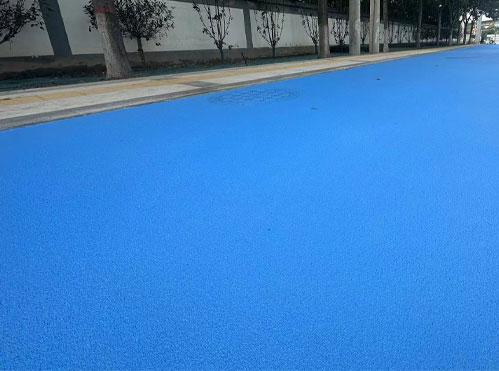
At its core, this technology combines two critical functions: high-friction performance and visual road communication. Traditional asphalt provides structure, but it offers limited skid resistance in critical zones and almost no functional visual guidance beyond painted markings. Colored anti-skid surfacing changes this by integrating textured aggregates and durable pigments directly into the surface layer, turning the road into an active safety system rather than a passive platform.
One of the strongest arguments for its future adoption is safety performance. Modern traffic environments are more complex than ever, with mixed traffic types including cars, bicycles, electric scooters, and pedestrians sharing the same space. In this context, friction becomes a life-saving factor. Systems based on High Friction Surfacing significantly improve tire grip, especially in wet or high-speed conditions. This reduces braking distance, improves cornering stability, and helps prevent skidding accidents in high-risk areas such as intersections, ramps, and pedestrian crossings.
Another major reason this technology is gaining momentum is its ability to improve road readability. Instead of relying only on signs and painted lines, colored surfacing turns entire zones into intuitive visual signals. For example, bicycle lanes, bus corridors, and warning areas can be instantly distinguished through color and texture. This reduces driver hesitation and improves reaction time, which is essential in dense urban environments where decisions must be made in seconds.
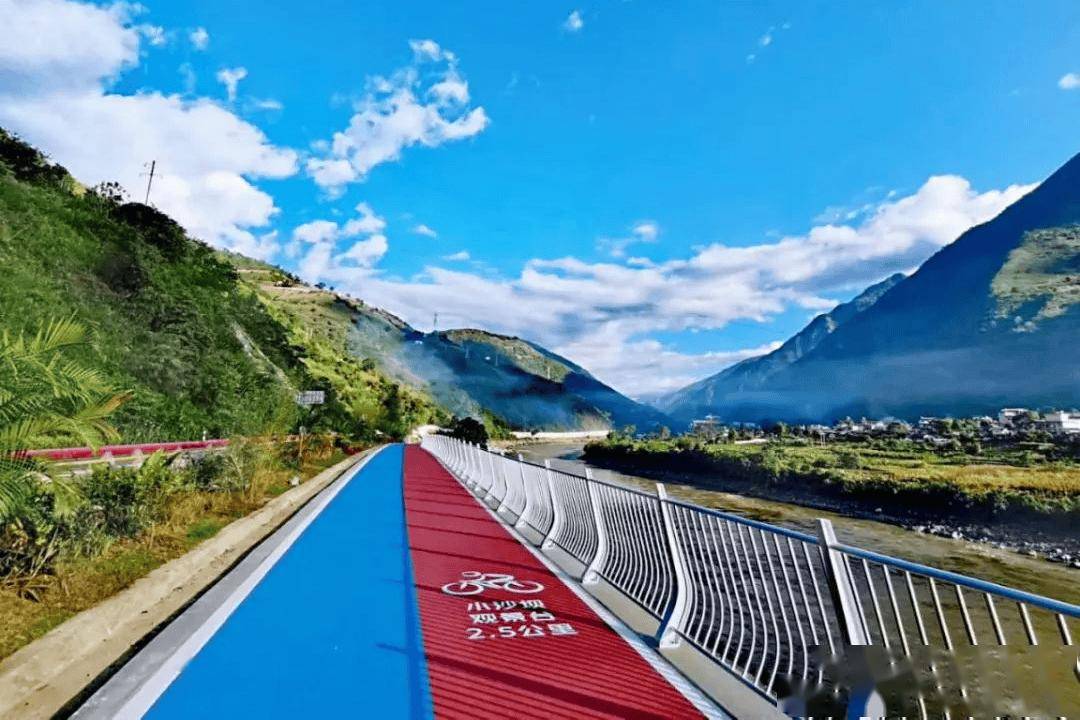
From an engineering perspective, maintenance efficiency is also a key driver of adoption. Advanced systems such as Color Emulsified Micro-Surfacing allow road surfaces to be renewed while simultaneously adding color and improving skid resistance. This reduces construction time, minimizes traffic disruption, and lowers long-term maintenance costs. For cities facing budget pressure and heavy traffic congestion, this efficiency is a major advantage.
Sustainability is another factor pushing this technology toward the future of road construction. Many modern formulations are water-based or low in volatile organic compounds, reducing environmental impact during installation. Some lighter-colored surfacing systems also reflect more sunlight than traditional asphalt, helping to reduce heat buildup in urban areas. As cities pursue carbon reduction and climate adaptation goals, these environmental benefits are becoming increasingly important in material selection.
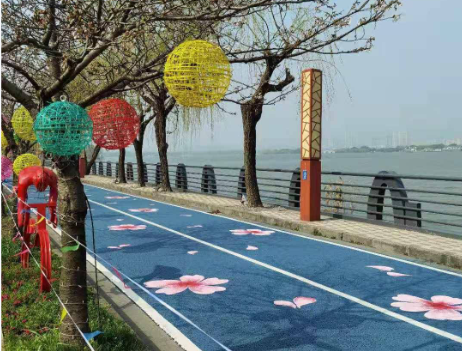
Beyond technical performance, colored anti-skid surfacing also aligns with a broader shift in urban design philosophy. Roads are no longer viewed simply as transportation corridors—they are becoming multi-functional public spaces. They must manage traffic flow, protect vulnerable users, and communicate rules visually. Colored surfacing supports this evolution by integrating safety, design, and function into a single layer of infrastructure.
However, whether it becomes the universal future standard depends on several factors. Cost, long-term performance data in different climates, and regulatory adoption all play important roles. In some regions, traditional asphalt systems remain dominant due to familiarity and lower upfront costs. But as accident reduction, smart city development, and lifecycle cost savings become higher priorities, adoption is steadily accelerating.
In conclusion, colored anti-skid road surfacing is not just a trend—it represents a fundamental shift in how roads are designed and understood. By combining friction improvement, visual guidance, durability, and sustainability, it addresses many of the limitations of traditional road construction. While it may not completely replace conventional materials in every application, it is very likely to become a standard feature in modern high-performance road networks worldwide.