Colored Pavement Market Trends and Opportunities
The global colored pavement industry is entering a period of rapid growth, driven by rising demand for safer roads, smarter urban design, and more sustainable infrastructure. What was once considered a niche or decorative application is now becoming a mainstream engineering solution for highways, cities, industrial zones, and public spaces. This shift is creating significant market opportunities across materials, construction technologies, and urban infrastructure planning.
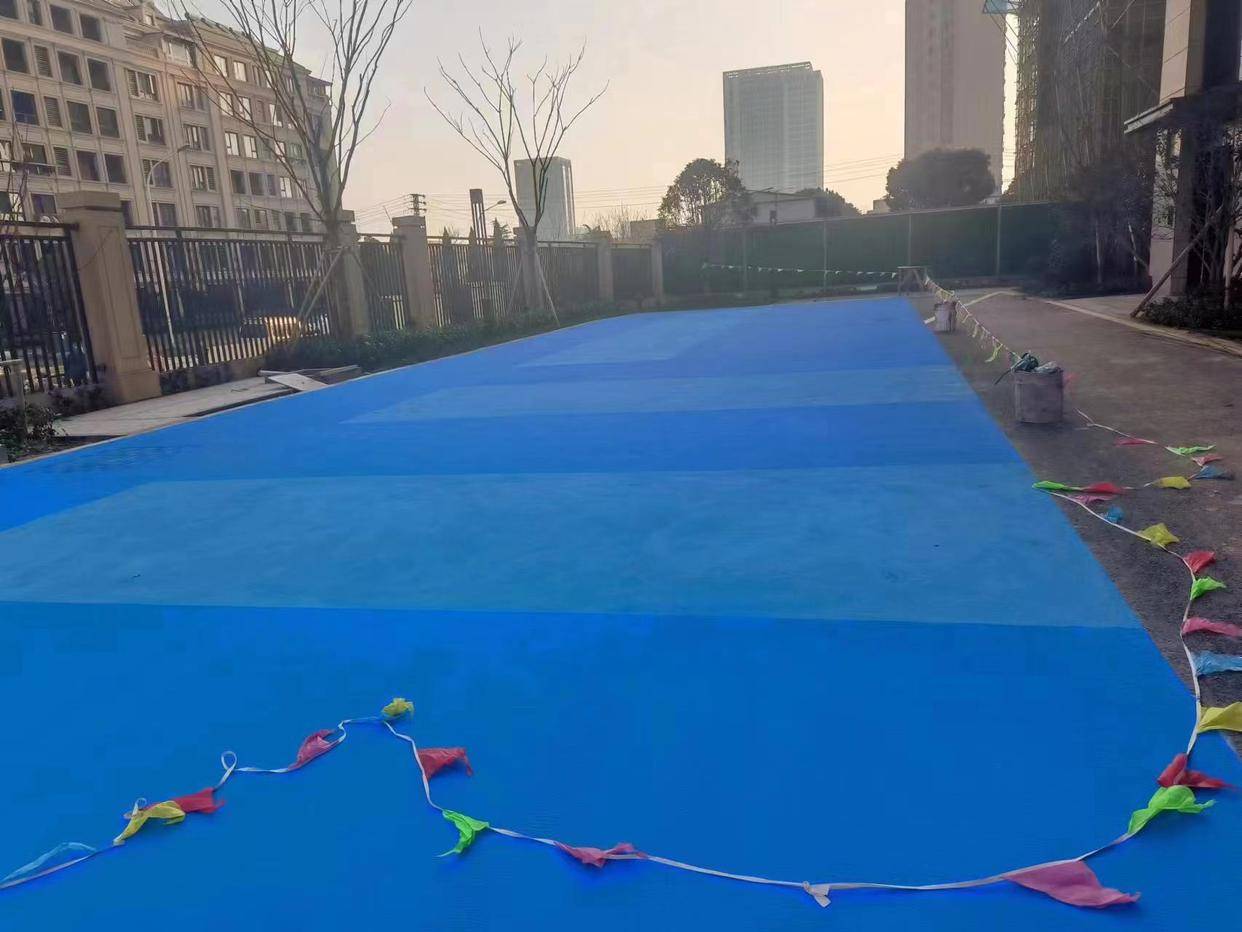
One of the strongest market trends is the increasing focus on road safety enhancement. Governments and city planners are under pressure to reduce traffic accidents, especially in high-risk areas such as intersections, school zones, bicycle lanes, and highway ramps. Colored anti-skid systems provide a dual benefit: improved visibility and higher friction performance. Technologies like High Friction Surfacing are becoming widely adopted because they directly reduce skidding risks while improving vehicle control under wet or high-stress conditions.
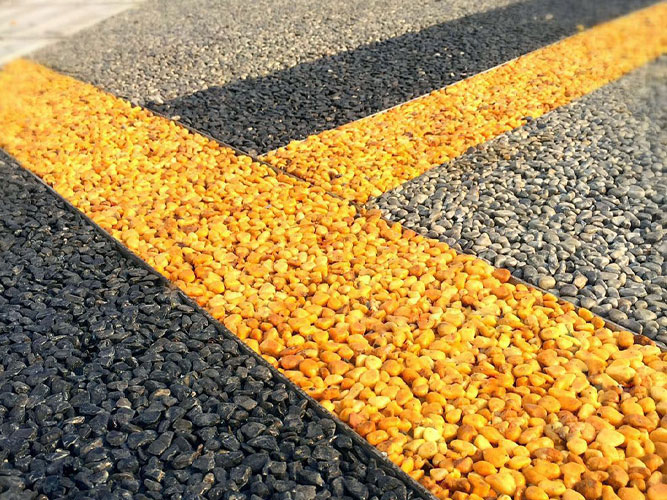
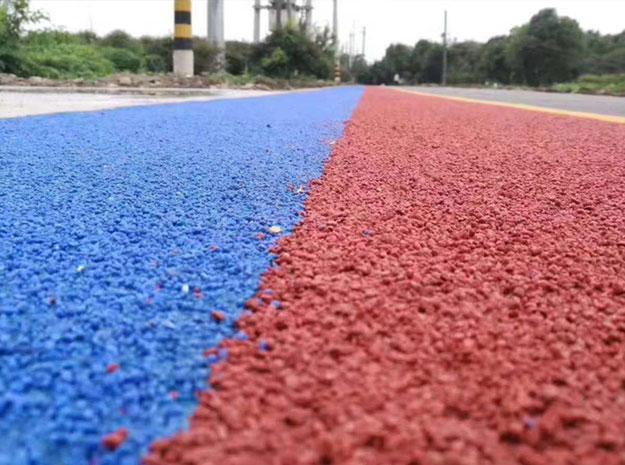
Another major trend is the shift toward functional road design rather than purely structural construction. Roads are no longer viewed only as transportation pathways, but as communication systems that guide user behavior. Colored pavement allows different traffic zones to be clearly defined using color coding—such as bus lanes, cycling lanes, pedestrian crossings, and hazard zones. This improves traffic organization and reduces conflicts between different road users, especially in dense urban environments.
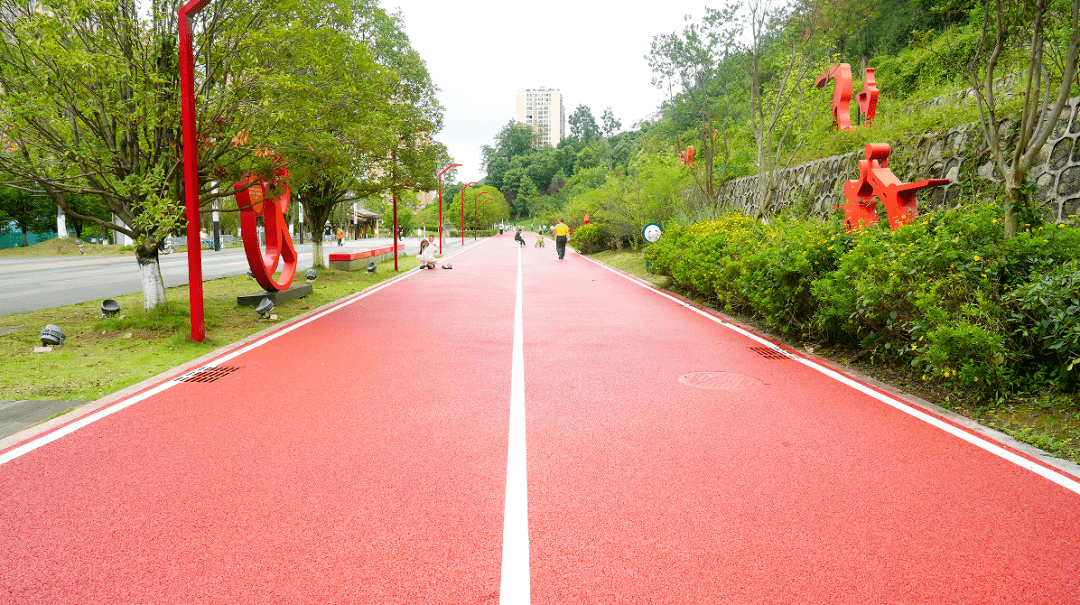
Urbanization is also a key driver of market expansion. As cities grow, traffic complexity increases, requiring more advanced surface solutions. Urban planners are increasingly integrating colored pavement into smart city frameworks to improve mobility efficiency and public safety. This includes applications in metro stations, airports, commercial districts, and public squares, where both aesthetics and safety are important.
From a construction technology perspective, rapid application systems are creating new opportunities. One of the most widely used solutions is Color Emulsified Micro-Surfacing, which allows resurfacing, color application, and friction improvement in a single layer. Its fast curing time and minimal traffic disruption make it highly attractive for urban maintenance projects. Contractors and municipalities prefer these systems because they reduce downtime and labor costs while improving road performance.
Sustainability is another major market driver. Many modern colored pavement systems use water-based or low-VOC materials, aligning with global environmental regulations and carbon reduction goals. In addition, lighter-colored surfaces can help reduce urban heat absorption compared to traditional asphalt. This environmental advantage is becoming increasingly important as cities adopt climate resilience strategies.
On the opportunity side, emerging economies represent a large growth market. Rapid infrastructure development in Asia, the Middle East, and Latin America is creating demand for cost-effective yet high-performance road systems. At the same time, developed countries are focusing on upgrading existing infrastructure to meet modern safety and environmental standards, which supports retrofit and maintenance markets.
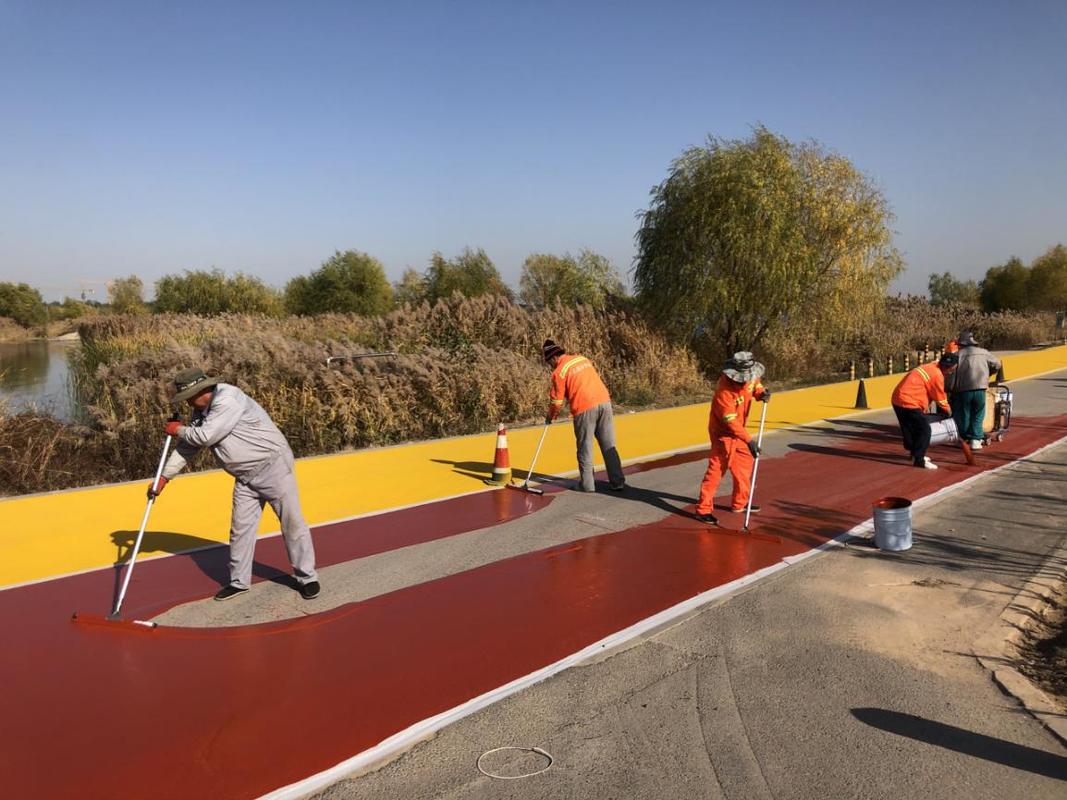
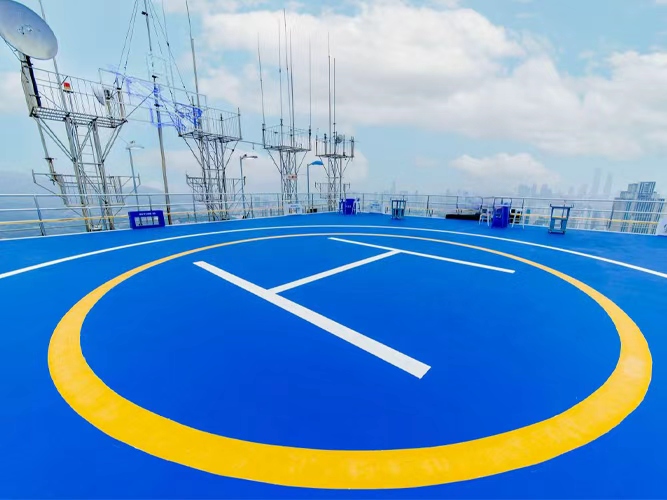
There is also growing opportunity in specialized applications. High-friction colored surfacing is increasingly used in tunnels, bridges, industrial parks, logistics centers, and transportation hubs. These environments require enhanced safety performance due to heavy traffic loads, sharp turning movements, or limited visibility conditions. As a result, premium high-performance products are gaining market share.
In addition, digital and smart infrastructure integration is expected to open new possibilities. In future smart cities, colored pavement may work alongside sensors and traffic systems to provide real-time feedback on road usage, safety conditions, and traffic flow optimization. While still emerging, this trend points toward a more data-driven road management ecosystem.
In conclusion, the colored pavement market is expanding rapidly due to three core forces: safety demand, urban growth, and sustainability requirements. Combined with advances in high-friction materials, fast application technologies, and environmental innovation, the industry is moving from a decorative niche into a critical component of modern infrastructure. For manufacturers, contractors, and cities, this creates a wide range of opportunities in both new construction and road maintenance markets worldwide.