Colored Anti-Skid Surfacing for Park and Scenic Area Pathways
Colored anti-skid surfacing is increasingly used in parks and scenic areas as a modern solution for improving pedestrian safety while enhancing environmental aesthetics. It is widely applied in garden pathways, tourist walkways, lakeside trails, forest parks, cultural plazas, and scenic resort routes where both visual harmony and slip resistance are important.
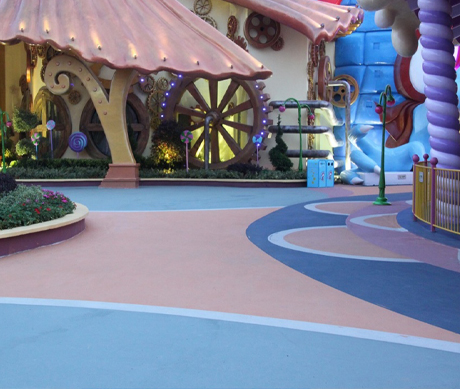
One of the key advantages of this system is improved walking safety. Park and scenic area pathways are often exposed to rain, humidity, leaves, and dust, which can make surfaces slippery. By using high-friction aggregates combined with durable colored binders, the pavement creates a textured surface that increases grip and reduces slip risks for pedestrians of all ages, including children and elderly visitors.
Another important benefit is environmental integration. Unlike traditional gray concrete, colored anti-skid surfacing can be designed in natural tones such as red, brown, green, or earth colors. This allows the pathway to blend seamlessly with surrounding landscapes such as gardens, trees, water features, and natural terrain. As a result, it enhances the overall visual experience without disrupting the natural scenery.
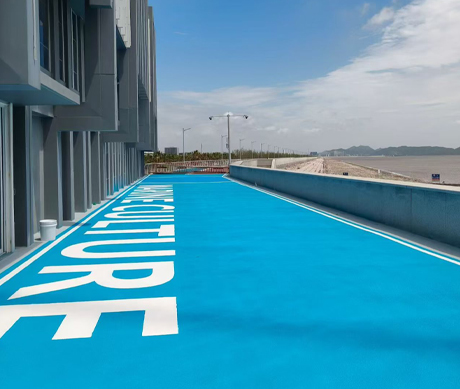
In scenic areas, visual guidance is also very important. Colored pathways can be used to define walking routes, sightseeing zones, rest areas, and restricted sections. This helps manage pedestrian flow, reduce congestion in popular tourist spots, and improve overall visitor experience. Clear visual pathways also make large parks easier to navigate.
Durability is another key factor. Park and scenic area pavements must withstand constant foot traffic, occasional maintenance vehicles, weather changes, and UV exposure. High-quality colored anti-skid materials are designed to resist fading, cracking, and surface wear, ensuring long-term performance with minimal maintenance requirements.
Modern systems such as Colored Anti-Skid Scenic Pathway Surfacing System are widely used in landscape engineering because they combine safety performance with aesthetic flexibility. They can be applied on concrete, asphalt, and existing stone pathways, making them suitable for both new construction and renovation projects.
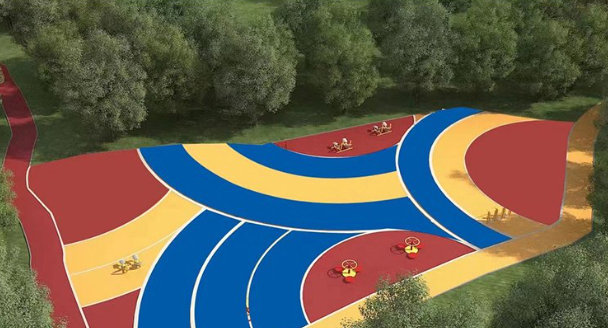
Another advantage is comfortable walking experience. The textured surface provides stable footing while still maintaining a smooth and pleasant walking feel. This is especially important in scenic areas where visitor comfort directly affects satisfaction and tourism value.
Environmental sustainability is also a major consideration. Many modern systems use eco-friendly or low-VOC binders, reducing environmental impact during installation while maintaining strong mechanical performance. This aligns with the development goals of green parks and sustainable tourism destinations.
In conclusion, colored anti-skid surfacing for park and scenic area pathways is not only a safety improvement material but also a landscape design tool. It enhances pedestrian protection, improves visual identity, and strengthens the harmony between infrastructure and nature, making it an essential solution for modern scenic and recreational spaces.