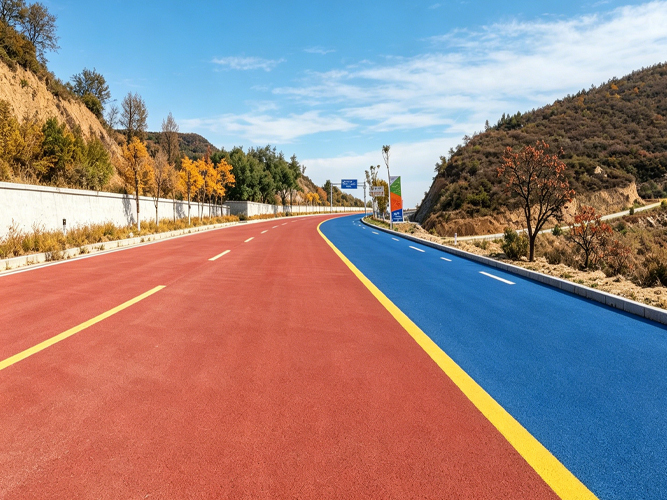
Road safety has become a global priority as cities face increasing traffic volumes, complex transportation networks, and growing demands for safer mobility. Traditional asphalt surfaces often provide limited visual guidance, especially in high-risk areas. Coloured surfacing for safer roads offers an effective solution by combining high visibility, improved skid resistance, and durable pavement performance.
By transforming ordinary road surfaces into clearly defined traffic zones, coloured surfacing helps drivers, cyclists, and pedestrians navigate more safely while improving the overall appearance of modern infrastructure.
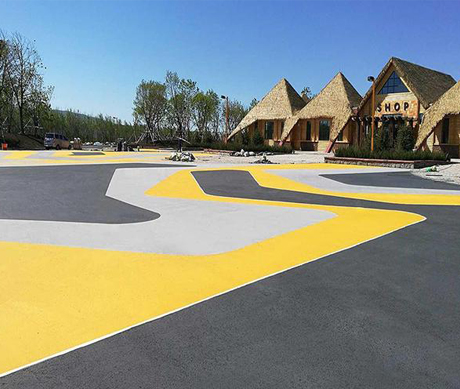
Coloured surfacing is an advanced pavement system applied to asphalt or concrete surfaces to improve safety and traffic organization.
The system combines durable materials and colored aggregates to create surfaces with:
High visibility
Anti-skid performance
Strong adhesion
Weather resistance
Long service life
Low maintenance requirements
These features make coloured surfacing an ideal choice for safety-focused transportation projects.
One of the biggest advantages of coloured surfacing is improved visibility. Different colors allow road users to quickly recognize specific areas and understand traffic instructions.
Common applications include:
Red bus lanes
Green bicycle lanes
Colored pedestrian crossings
School safety zones
Intersection warning areas
Clear visual identification helps reduce confusion and improves traffic flow.
Road surfaces must provide reliable grip in both dry and wet conditions. High-quality coloured surfacing systems include anti-skid aggregates that improve surface friction.
Benefits include:
Better tire traction
Reduced slipping risks
Improved braking performance
Safer vehicle movement
This is especially important for intersections, curves, ramps, and areas with heavy traffic.
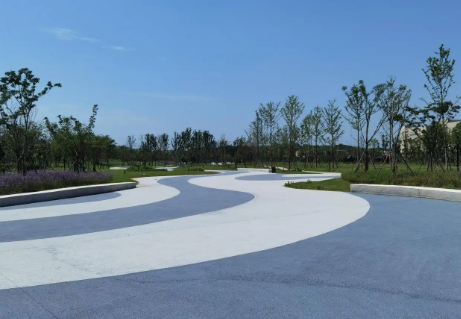
As cities promote sustainable transportation, bicycle and pedestrian infrastructure has become increasingly important.
Colored surfacing helps create clearly separated spaces for:
Cyclists
Pedestrians
Vehicles
The visible color contrast improves awareness and encourages safer interaction between different road users.
Road surfaces are exposed to challenging environments every day. Professional coloured surfacing systems are designed to maintain performance under:
Strong sunlight
Rain and moisture
Temperature changes
Heavy vehicle loads
Continuous traffic pressure
Durable materials help extend pavement life and reduce maintenance costs.
Cities use coloured surfacing to improve traffic organization and create safer road networks.
High-visibility surfaces help highlight conflict areas and encourage drivers to slow down.
Colored cycling paths improve cyclist safety and route recognition.
Bright surfaces increase awareness of pedestrian priority areas.
Colored lanes help identify dedicated public transportation routes.
Colored surfaces improve vehicle movement and pedestrian safety.
For contractors, engineers, and government projects, coloured surfacing provides:
Easy traffic zone identification
Improved safety performance
Attractive pavement appearance
Long-term durability
Flexible design options
Reduced maintenance needs
These advantages make coloured surfacing a valuable solution for modern infrastructure development.
When selecting a coloured surfacing solution, consider:
Different systems may be suitable for asphalt, concrete, or existing pavement.
High-traffic areas require stronger materials with higher friction performance.
Weather resistance is important for long-term outdoor applications.
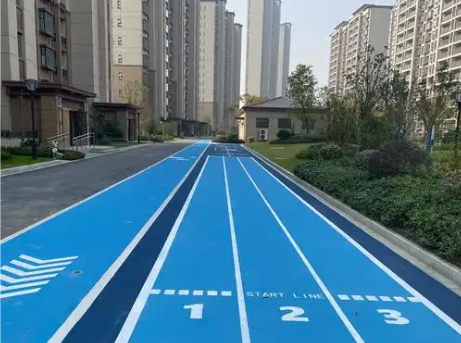
Color selection, thickness, installation time, and durability should match the specific project needs.
With the growth of smart cities and sustainable transportation, coloured surfacing will continue to play an important role in improving road safety.
By combining visual communication with high-performance pavement technology, coloured surfacing helps create safer, more organized, and more attractive transportation environments.
Coloured surfacing for safer roads provides a practical solution for improving visibility, reducing safety risks, and enhancing pavement performance. From urban streets and bicycle lanes to pedestrian areas and transit corridors, coloured surfacing helps create safer roads for all users.
As infrastructure continues to evolve, advanced coloured surfacing systems will remain an essential technology for building safer and smarter transportation networks.