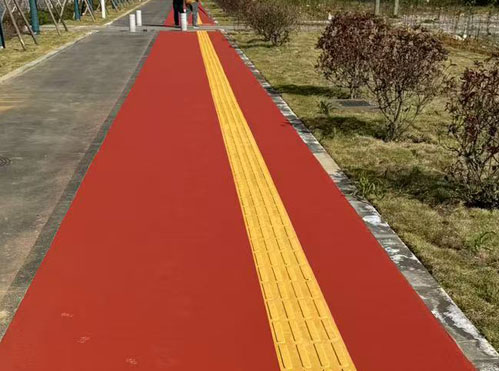
Road safety depends on many factors, and pavement friction is one of the most important. When vehicles travel on wet, uneven, or heavily used roads, insufficient surface grip can increase braking distances and create dangerous driving conditions.
Road anti-skid materials are developed through advanced material science to improve pavement friction, enhance vehicle control, and create safer transportation environments. Understanding how these materials work helps engineers, contractors, and infrastructure developers choose the right solution for different road applications.
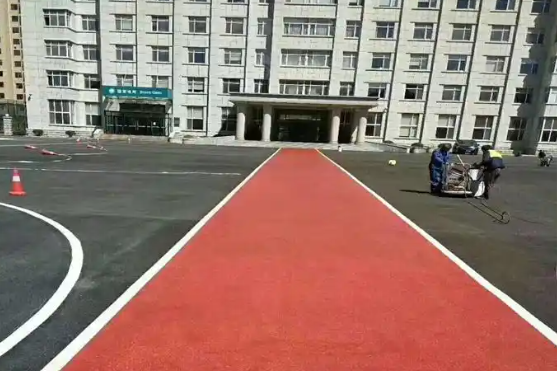
Road anti-skid materials are specially engineered pavement materials designed to increase surface texture and improve friction between vehicle tires and the road surface.
Unlike ordinary pavement coatings, anti-skid systems are designed with specific material structures that provide:
Higher surface roughness
Better tire adhesion
Improved water drainage
Enhanced wear resistance
Long-term friction performance
These characteristics allow roads to maintain safer conditions under different traffic and weather situations.
The effectiveness of anti-skid materials comes from the interaction between the pavement surface and vehicle tires.
When a tire contacts the road, friction is created through several mechanisms:
Anti-skid materials create a rougher surface profile. The increased texture allows tires to maintain better contact with the pavement.
High-quality aggregates provide sharp edges and durable particles that improve grip and resist polishing caused by traffic.
During rainfall, water can form a slippery layer between tires and pavement. Anti-skid surfaces help reduce this effect by improving surface drainage and maintaining contact.
Aggregates are one of the most important components of anti-skid pavement systems.
High-performance aggregates provide:
Excellent hardness
Strong wear resistance
Stable friction performance
Long-term surface texture
Common applications requiring high-friction aggregates include:
Highway curves
Intersections
Airport surfaces
Industrial roads
Heavy traffic zones
The correct aggregate selection directly affects pavement safety and service life.
A strong bond between the anti-skid material and the pavement surface is essential for long-term performance.
Advanced bonding systems help ensure:
Strong adhesion to asphalt and concrete
Resistance to vehicle impact
Reduced material loss
Better durability
Without proper bonding, even high-quality aggregates may lose effectiveness over time.

Wet pavement is one of the biggest challenges for road safety. Water reduces tire contact with the road and increases the risk of slipping.
Anti-skid materials improve wet-weather performance by:
Maintaining surface roughness
Improving drainage channels
Increasing tire-road interaction
Supporting safer braking
This makes them valuable for regions with heavy rainfall or changing weather conditions.
Modern road safety systems include several types of anti-skid solutions.
Designed for areas requiring maximum friction improvement, such as sharp curves and braking zones.
Combines safety performance with visual traffic guidance for bicycle lanes, bus lanes, and pedestrian areas.
Uses advanced binders to improve adhesion, durability, and environmental resistance.
Applied to existing pavement to restore or improve friction performance.
Anti-skid materials are widely used in:
Improving safety at high-speed sections, ramps, and dangerous locations.
Enhancing safety at intersections, pedestrian crossings, and traffic zones.
Providing durable surfaces for trucks, forklifts, and heavy vehicles.
Supporting safe movement on service roads and operational areas.
Increasing friction where braking and vehicle control are critical.
Several factors influence the effectiveness and lifespan of anti-skid materials:
Heavy traffic requires stronger materials with better wear resistance.
Temperature changes, rain, and UV exposure affect long-term performance.
Proper surface preparation and application methods are essential.
Choosing the correct system based on project requirements ensures better results.
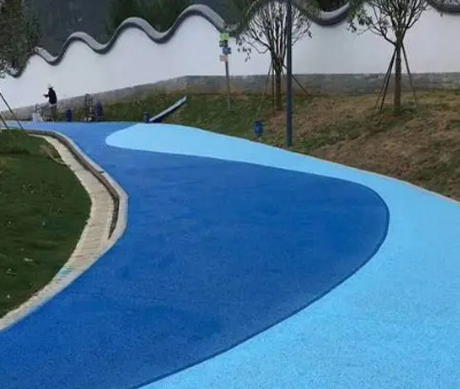
As transportation systems become safer and smarter, anti-skid technology continues to develop.
Future innovations will focus on:
More durable materials
Sustainable pavement solutions
Improved weather resistance
Faster installation methods
Better long-term performance monitoring
Advanced anti-skid materials will continue to play an important role in reducing road risks and improving global transportation safety.
The science behind road anti-skid materials is based on improving friction, surface texture, bonding strength, and durability. By combining advanced materials with engineering technology, these systems provide safer road conditions for vehicles, cyclists, and pedestrians.
From highways and airports to urban streets and industrial facilities, road anti-skid materials are becoming an essential solution for modern infrastructure safety.