Colored anti-skid pavement is an advanced road surfacing solution designed to improve safety for cyclists and pedestrians in urban environments. By combining high-friction surface technology with visible color differentiation, it enhances both traction and road guidance. This makes it a key component in modern bicycle lane systems, pedestrian crossings, and traffic-calming infrastructure.
As cities expand their non-motorized transportation networks, colored anti-skid pavement plays an increasingly important role in reducing accidents and improving overall mobility safety.
Colored anti-skid pavement is a surface treatment system that uses resin binders (such as water-based, epoxy, or MMA systems) combined with high-friction aggregates and pigments. The result is a textured, colored surface layer applied over asphalt or concrete roads.
This system provides two main functions:
Color visibility for traffic guidance and lane separation
High friction performance to prevent slipping and skidding
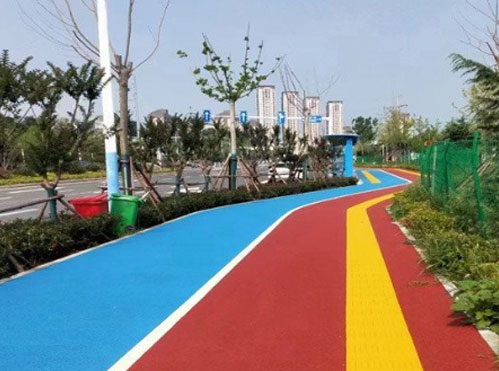
Bright colored pavement clearly defines bicycle lanes, making them more visible to both cyclists and drivers. This reduces the risk of vehicles entering bike lanes accidentally.
Common colors include:
Green for bicycle lanes
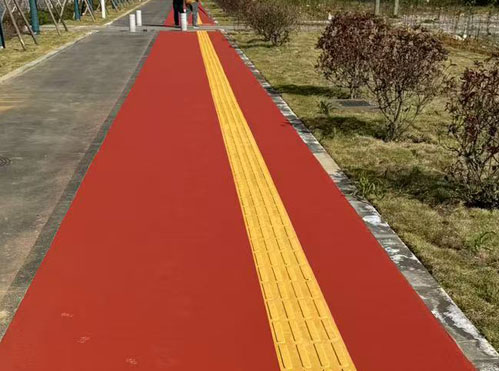
Red for conflict zones or crossings
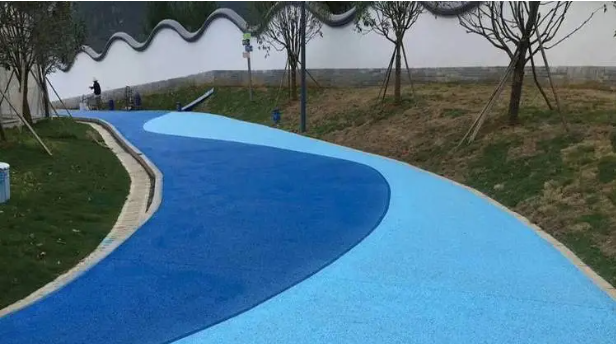
Blue for shared or special cycling areas
The anti-skid texture improves tire-road friction, helping cyclists maintain stability in different conditions, especially:
Rainy weather
Sharp turns
Downhill slopes
High-traffic intersections
Colored pavement visually separates bicycle lanes from motor vehicle lanes, reducing conflicts and improving overall traffic organization.
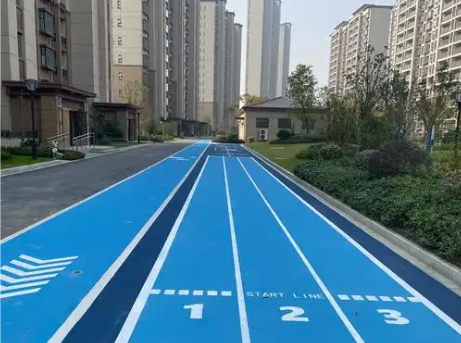
Colored anti-skid surfaces make pedestrian crossings more noticeable, helping drivers slow down in advance and increasing pedestrian awareness.
The high-friction surface texture provides better grip for walking, especially in:
Wet conditions
Sloped sidewalks or ramps
High foot-traffic areas
Colored pavement helps define walking zones in complex environments such as:
Transit stations
Shopping districts
School zones
Public plazas
The use of durable aggregates ensures long-term skid resistance, improving safety for both bicycles and pedestrians.
Color-coded surfaces improve traffic clarity, helping users quickly understand road functions and movement priorities.
Modern systems are designed to withstand:
Heavy pedestrian and bicycle traffic
UV exposure
Rain and temperature changes
Long-term wear and tear
Many systems can be installed quickly, reducing disruption in busy urban areas.
Water-based colored anti-skid systems offer low VOC emissions and support sustainable city development.
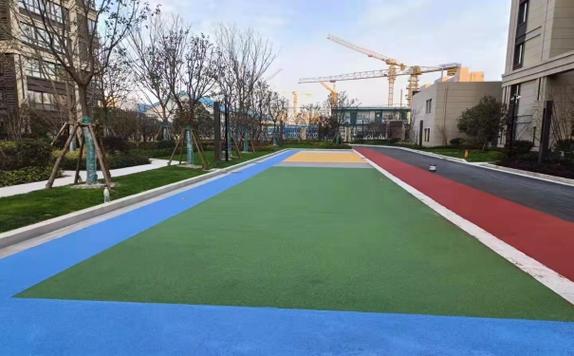
Colored anti-skid pavement is widely used in:
Bicycle lanes and cycling corridors
Pedestrian crossings and sidewalks
School and hospital zones
Urban intersections
Bus lanes and transit areas
Parks and recreational paths
Bridge walkways and ramps
Cities are increasingly investing in colored anti-skid pavement because it supports:
Safer non-motorized transportation
Reduced accident rates
Better traffic organization
Improved urban aesthetics
Sustainable infrastructure development
It is especially effective in areas where pedestrian and bicycle traffic intersects with vehicles.
The development of colored anti-skid pavement is moving toward:
More durable resin formulations
Improved color stability
Faster curing technologies
Enhanced anti-slip performance
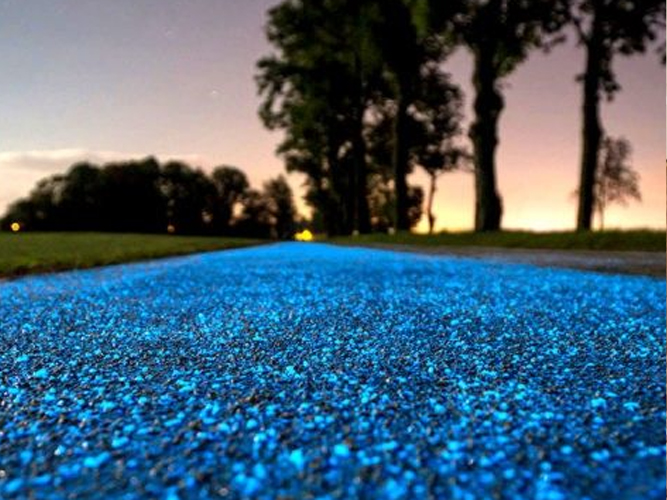
Smart road integration with sensors and lighting
These innovations will further improve safety and usability in urban transportation systems.
Colored anti-skid pavement significantly enhances bicycle lane and pedestrian safety by combining high visibility with superior surface friction. It reduces accidents, improves traffic organization, and supports sustainable urban mobility.
As cities continue to prioritize safe and inclusive transportation systems, this technology will remain a key solution for modern road infrastructure design.