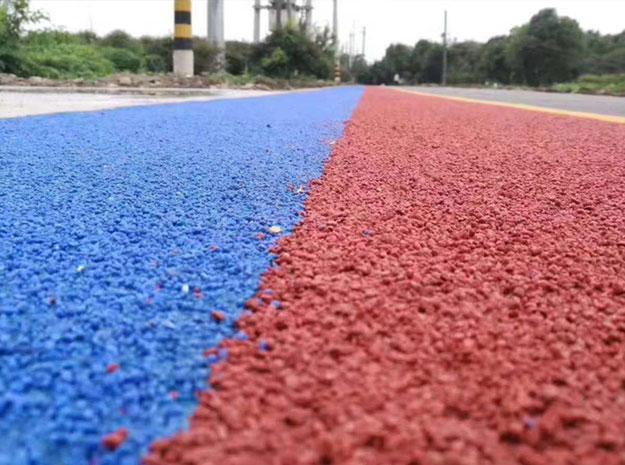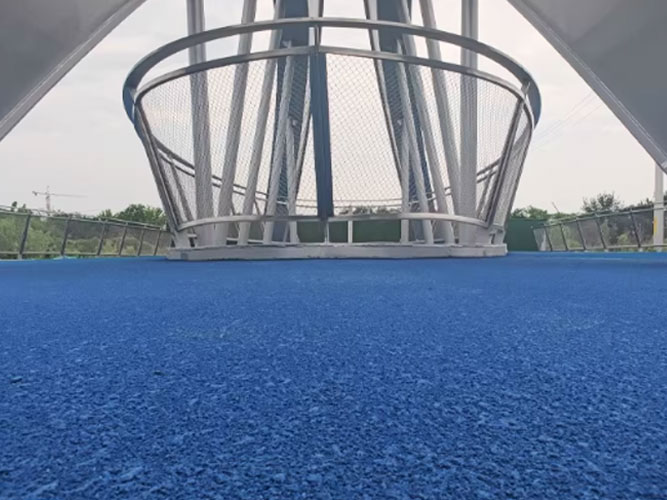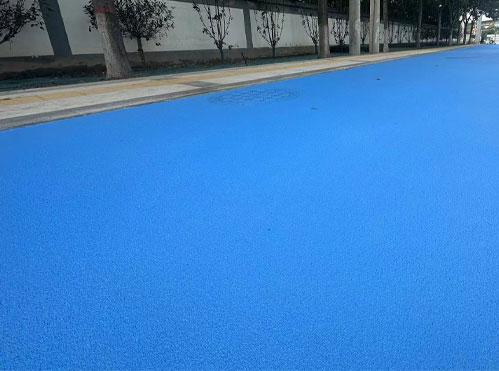
Colored Anti-Skid Pavement is becoming an increasingly popular solution for improving road safety, enhancing visibility, and upgrading urban infrastructure. For contractors, proper installation is essential to achieve strong adhesion, excellent friction performance, and long-lasting pavement quality.
This guide outlines the basic installation process and key considerations for successful Colored Anti-Skid Pavement projects.

Proper surface preparation is the foundation of a high-quality anti-skid pavement system.
Before construction, contractors should ensure that the pavement surface is:
Clean and free from dust, oil, and loose materials
Dry and stable
Free from cracks or structural damage
Properly prepared to improve material bonding
Depending on the existing pavement condition, surface treatment methods such as grinding, cleaning, or repair may be required.
A suitable primer or bonding layer is applied to improve adhesion between the existing pavement and the anti-skid coating system.
The primer helps:
Strengthen the connection between layers
Improve material durability
Reduce peeling and cracking risks
Create a stable foundation for the surface layer
The application method and curing time should follow the supplier’s technical recommendations.
Before application, the materials should be thoroughly mixed to ensure uniform performance.
Contractors should pay attention to:
Correct mixing ratio
Even color distribution
Proper material consistency
Recommended mixing time
For colored pavement systems, pigments or colored aggregates should be evenly distributed to achieve a consistent appearance.
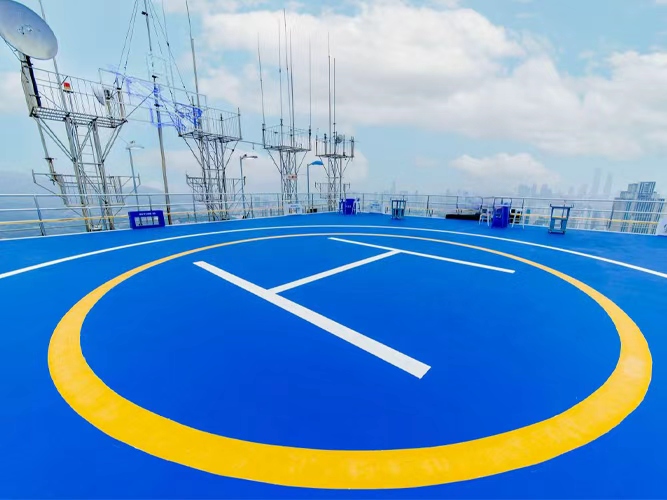
The mixed material is spread evenly onto the prepared pavement surface using professional tools.
The installation process usually includes:
Pouring or spreading the coating material
Adjusting thickness according to project requirements
Ensuring complete surface coverage
Maintaining a uniform texture
Proper thickness control is important for achieving the required friction performance and durability.
High-quality anti-skid aggregates are added to the surface layer to create a rough texture and improve tire grip.
The aggregates provide:
Increased friction performance
Better wet-weather safety
Improved surface durability
Enhanced road visibility
The selection of aggregate size and type should match the application environment and traffic conditions.
After installation, the surface must be allowed sufficient curing time before opening to vehicles or pedestrians.
Contractors should consider:
Temperature conditions
Humidity levels
Material curing requirements
Traffic loading conditions
Proper curing ensures the pavement achieves maximum strength and performance.
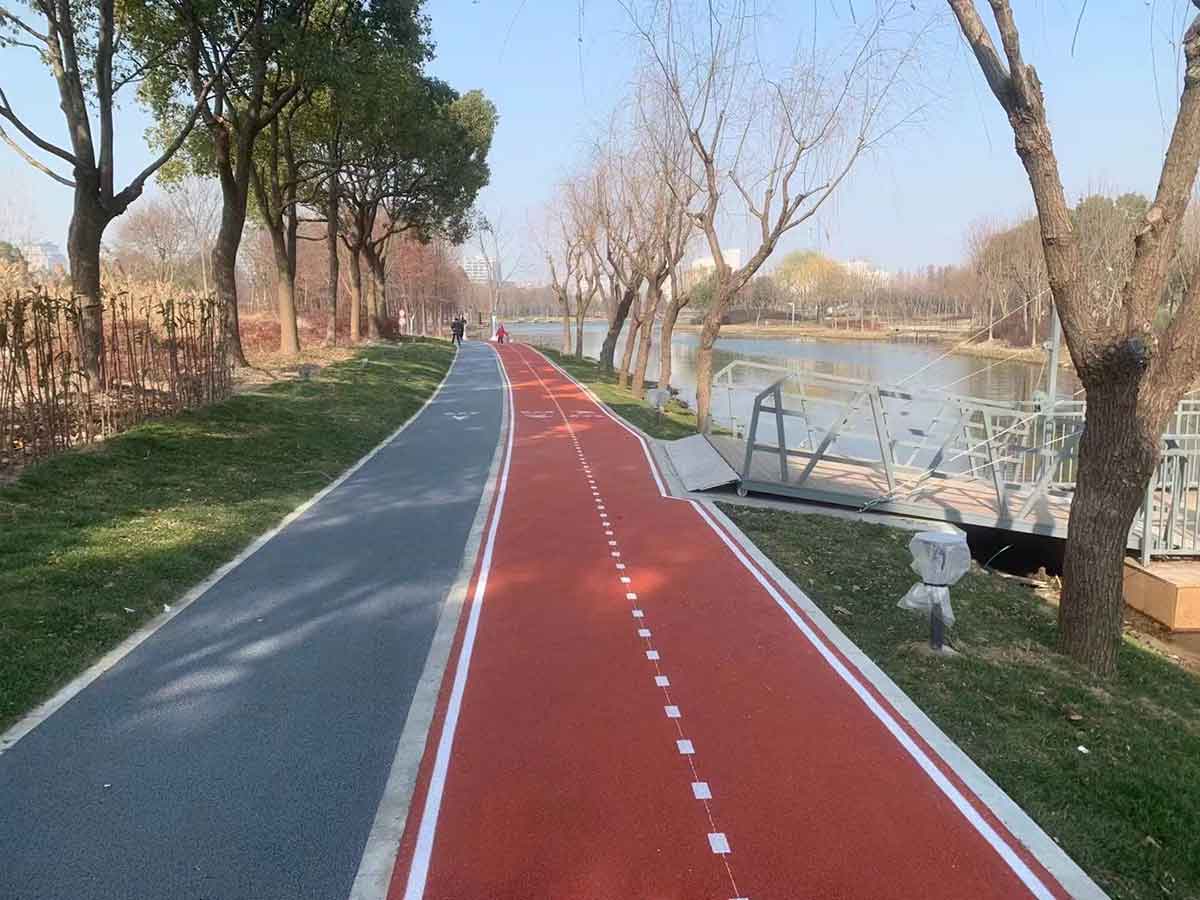
A professional inspection should be carried out after completion.
Important checks include:
Surface appearance
Color uniformity
Adhesion quality
Anti-slip performance
Overall pavement condition
Regular inspection helps ensure the installed system meets project expectations.
Colored Anti-Skid Pavement is widely used in:
Bicycle lanes
Urban roads
Pedestrian areas
School zones
Bus lanes
Parking areas
Bridge decks
Commercial and residential communities
Successful Colored Anti-Skid Pavement installation requires careful preparation, correct material application, and professional construction practices. By following the proper installation process, contractors can create safer, more durable, and visually attractive pavement surfaces for modern infrastructure projects.
Choosing reliable materials and working with an experienced supplier can help contractors achieve better project performance and long-term road safety benefits.